

On this page
- Label Spec Sheets
- Why Spec Sheets Matter
- Avoiding Costly Packaging Mismatches
- Brand Continuity in Label Prepress
- Essential Inclusions
- Size and Roll Direction
- Substrate Material and Adhesive Selection
- Choosing the Right Finish
- Matte vs Gloss
- How Label Finish Affects Printed Colors
- Specifying Reflective Finish Elements
- Color Targets
- Pantone Tolerances
- QC Requirements
- Packaging Label Quality Control Process
- Template
- Digital Label Printing Technical Specs
- Checklist
Label Spec Sheets
A well-crafted label specification sheet serves as the foundational blueprint for any packaging run. It clearly outlines product label specifications to guarantee exact production standards. This vital document ensures every stakeholder understands the print prepress specs without ambiguity.
Utilizing a robust label specification document helps brands prevent label reprints and avoid severe production delays. Precise label specifications lock in exact requirements from materials to dimensions. This guarantees that your custom labels meet stringent industry criteria perfectly.
We rely on label printing specs to mitigate communication breakdowns between buyers and commercial printers. Implementing a structured custom label spec sheet eliminates guesswork across the entire supply chain. It fundamentally protects the overall integrity of the product packaging.
Why Spec Sheets Matter
Understanding why spec sheets matter prevents cascading failures on the factory floor. They provide explicit custom label printing instructions that machine operators follow to the letter. This eliminates ambiguous interpretations during high-speed manufacturing runs.
Detailed guidelines prevent custom label printing errors that disrupt the entire packaging workflow. By standardizing the format you establish a reliable quality control check for product labels. This ensures every production cycle yields highly consistent results.
A comprehensive spec document fundamentally guards against unexpected print variation. It functions as a strict contract defining the precise visual and structural outcomes expected. Vendors rely on this critical data to calibrate their equipment accurately.
Avoiding Costly Packaging Mismatches
Inaccurate data leads directly to packaging mismatches that stall automated applicator lines. Minor dimensional discrepancies can force a complete halt in automated manufacturing. Thorough documentation is the primary method for avoiding costly packaging mismatches altogether.
Documenting every technical detail acts as an insurance policy for your brand. It helps companies prevent reprints caused by unverified material substitutions or sizing errors. Catching these deviations early saves significant capital and wasted resources.
We use these sheets to prevent mismatches on the packaging line before physical printing begins. Every physical attribute must align perfectly with the target container. This meticulous alignment preserves the overall aesthetic of the product.
Brand Continuity in Label Prepress
Maintaining brand continuity in label prepress requires exact technical directives. Designers specify the exact color targets to ensure visual consistency across all product variants. This level of control protects the overarching brand identity across global markets.
A premium look relies heavily on flawless execution during the prepress phase. Specifications detail how artwork translates from digital files to physical substrate material. This translation must remain flawless to uphold the established brand standards.
Preserving elegance in packaging design requires strict adherence to documented guidelines. Prepress teams rely on these precise instructions to balance ink densities correctly. They actively adjust for variables that might compromise the final visual output.
Essential Inclusions
Identifying the essential inclusions guarantees that vendors have the requisite data to proceed. A standardized label spec sheet format captures all mandatory variables in one centralized location. Omitting any key variable jeopardizes the entire print run.
You must detail specific label adhesive and material specs to match the product environment. Moisture resistance and extreme temperature tolerance require precise chemical formulations. These material choices directly impact the longevity of the applied label.
Understanding how to create a label spec sheet involves mapping out structural requirements. You must integrate die cut specifications and exact corner radius measurements. These vectors dictate the physical shape and peeling performance of the asset.
Size and Roll Direction
Clearly specifying label size and roll direction is non-negotiable for automated application. The width and length must account for precise margin limits around the design. These dimensions directly interact with the physical parameters of your application machinery.
You must designate the exact machine applicator roll direction to prevent application failures. Operators need to know whether the top bottom left or right edge dispenses first. This unwind direction for label applicators dictates how the rolls are spooled.
Proper spooling requires documenting the label core size and outer diameter constraints. Equipment can only handle specific roll weights and thicknesses. Exceeding these physical limits causes severe mechanical jams and unexpected downtime.
Substrate Material and Adhesive Selection
The substrate material dictates the fundamental durability and texture of the packaging. You must choose between synthetic films textured papers or metallic foils based on performance needs. Each substrate interacts differently with specific ink formulations.
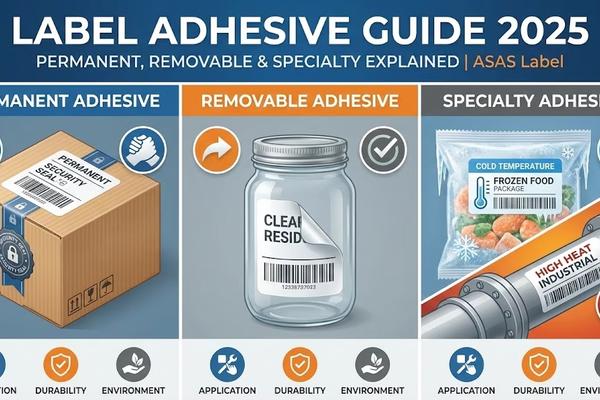
Accurate adhesive selection depends entirely on the surface energy of the container. Permanent removable or repositionable adhesives serve drastically different functional purposes. Documenting the required tack strength prevents labels from flagging or peeling prematurely.
Cosmetic packaging spec guidelines often require specialized materials to resist oils and solvents. These chemical barriers protect the printed design from degradation over time. Specify topcoats that ensure the material withstands harsh environmental conditions.
Choosing the Right Finish
Choosing the right finish drastically alters the consumer perception of the product. Buyers must evaluate how label finish variants impact the visual weight of the design. The finish you choose determines how light interacts with the packaging.
You must understand how buyers compare finishes for labels to make strategic choices. A well-selected finish elevates a standard design into a high-end luxury item. This tactile experience heavily influences purchasing decisions on crowded retail shelves.
Defining the right label finish involves analyzing the retail lighting environment. You must account for how specifying bright lighting adjustments will impact visibility. The finish dictates the product label finish visual impact from every viewing angle.
Matte vs Gloss
Deciding on matte vs gloss for spec sheets fundamentally changes the artwork presentation. Glossy labels amplify color saturation and provide a highly reflective finish. This shiny finish creates a vibrant and energetic aesthetic for consumer goods.
Alternatively a matte coating offers a muted and sophisticated profile. Choosing matte paper diffuses light and reduces harsh glare under retail fixtures. This understated texture communicates elegance and premium quality for specialized brands.
The debate between matte and gloss requires testing physical samples on the container. A gloss label might highlight imperfections on a flexible squeeze tube. Conversely matte surfaces can easily scuff if not properly protected.
How Label Finish Affects Printed Colors
You must understand exactly how label finish affects printed colors during production. Glossy surfaces inherently deepen dark tones and make bright colors pop aggressively. The topcoat acts as a lens that magnifies the underlying pigment.
When you choose matte the protective varnish actively mutes the perceived vibrancy. This finish best suits designs requiring subtle transitions and soft pastel palettes. It fundamentally alters the light refraction bouncing off the substrate.
Designers must anticipate these shifts when establishing precise pantone color targets. A specific color formula will look drastically different under matte or glossy topcoats. Spec sheets must define the intended final appearance after the finish is applied.
Specifying Reflective Finish Elements
When specifying reflective finish elements you must define the exact gloss meter reading. This numeric value ensures the shine level remains consistent across batches. It prevents a finish from appearing too dull or overly aggressive.
Premium branding finish choices often involve spot varnishes or metallic laminates. These require defining glare reduction requirements for barcode readability. Scanners struggle to read data printed on a highly reflective surface.
For tactile packaging you must include print spec fingerprint resistance metrics. Soft-touch laminates can easily show oils from consumer handling. The spec sheet must demand appropriate chemical resistance to maintain the look and feel.
Color Targets
Defining exact color target specifications is critical for maintaining visual uniformity. Your spec sheet must establish absolute baseline values for the printing press operators. Without these metrics color mismatches will inevitably occur across different runs.
Documenting specific pantone targets provides a universal language for color reproduction. This removes subjectivity and gives the pressroom an undeniable physical reference. Operators use these targets to continually calibrate the ink density on the press.
Managing CMYK color builds requires detailing the exact percentage of each primary channel. Even minor fluctuations in cyan or magenta will shift the final hue. Strict documentation ensures the brand identity remains visually stable.
Pantone Tolerances
You must clearly define pantone color matching tolerances in Delta E metrics. This numerical value dictates the acceptable distance from the master color standard. Defining these limits prevents subjective arguments over visual color accuracy.
Establishing strict color variation acceptable limits ensures brand consistency across global facilities. A Delta E under two is generally indistinguishable to the human eye. Specifying this threshold guarantees that products printed months apart look identical.
Understanding flexographic print tolerances helps buyers set realistic expectations for the press run. Minor shifts are inherent to the mechanical printing process. Setting clear mathematical boundaries defines exactly when a print run fails inspection.
QC Requirements
Explicitly defining qc requirements for printing establishes the rules of engagement with vendors. This section dictates the testing protocols applied to the finished rolls. It ensures every batch meets your stringent durability and visual standards.
A robust print quality control protocol protects the buyer from receiving defective goods. It outlines the specific steps operators must take to verify alignment and adhesion. This framework guarantees accountability throughout the manufacturing lifecycle.
Proper qc requirements include testing the label against extreme environmental variables. Technicians must verify that the ink withstands specific chemical exposure and abrasion. Documenting these tests ensures the packaging survives the entire supply chain.
Packaging Label Quality Control Process
The packaging label quality control process requires systematic sampling during the press run. Inspectors pull random webs to verify registration and die strike depths. This proactive monitoring catches mechanical drifts before they ruin thousands of labels.
Technicians use specialized tools to verify barcode grading and text legibility. The specification document mandates the minimum acceptable ANSI grade for all scannable elements. Failing to meet these grades results in immediate rejection of the batch.
Final inspections measure the unwind tension and splice quality on the finished rolls. Poor splicing causes immediate breaks when loaded onto automated applicators. The qc guidelines dictate the specific tape and technique used for joining webs.
Template
Developing a reliable label spec sheet template streamlines the procurement process. It provides a standardized framework that buyers and designers can reuse endlessly. This consistency accelerates prepress approvals and reduces administrative overhead.
We highly recommend utilizing custom label templates tailored to your specific product lines. These pre-filled documents contain your standard material preferences and core sizes. Teams simply update the artwork references and dimensions for new product rollouts.
A proper printing specification template includes dedicated sections for technical drawings. These diagrams visually map out the critical copy area and bleed zones. Providing visual context drastically reduces interpretation errors at the print facility.
Digital Label Printing Technical Specs
Including digital label printing technical specs requires detailing resolution and file formats. You must specify whether artwork should be submitted as outlined vectors or high-resolution rasters. These technical parameters ensure the digital rips process the files correctly.
Digital presses handle variable data and complex gradients differently than traditional flexography. The spec sheet must outline the exact white ink understrike requirements for clear substrates. This dictates how opaque the final colors will appear.
Ensure you provide instructions on how to download label spec sheet template files to your suppliers. Easy access to these documents ensures everyone works from the most current revision. Version control is critical for maintaining accurate records.
Checklist
Utilizing a strict quality control checklist serves as the final barrier against defective products. This itemized list forces inspectors to verify every variable before authorizing shipment. It transitions abstract specifications into actionable verification steps.
The label printing specification checklist must demand physical verification of the roll direction. Operators must unspool a section and confirm the orientation matches the spec. This prevents catastrophic downtime on the automated bottling line.
Finally the checklist must mandate a visual comparison against the approved color proofs. Technicians confirm that the finish does not reflect light in an unintended manner. This final review guarantees the custom labels achieve the desired sophistication.