

Contact Sales Now
Thank you! Your submission has been received!
Oops! Something went wrong while submitting the form.

Contact Sales Now
Thank you! Your submission has been received!
Oops! Something went wrong while submitting the form.

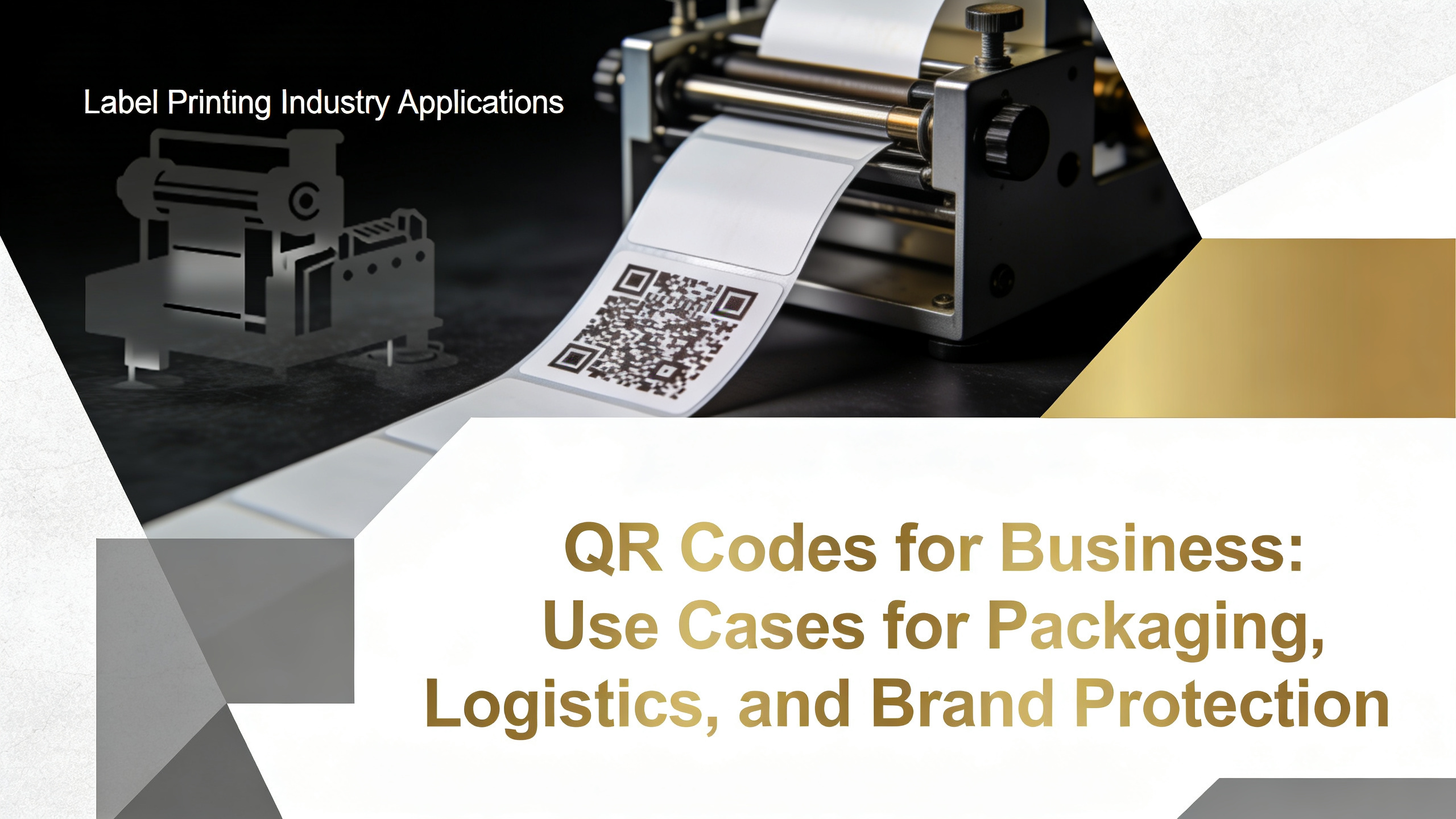
QR codes have moved from novelty to infrastructure. For brands managing complex supply chains, regulatory pressure, and direct-to-consumer engagement, a printed QR code on a label is now a data endpoint. It connects a physical unit to inventory systems, marketing platforms, and authentication databases in a single scan.
This guide covers ten practical applications, implementation methods, and cost structures for deploying QR codes across packaging and logistics. If you're asking how do I get a QR code for my business, the answer depends on whether you need static destinations or dynamic, serialized data ties to each unit.
QR codes serve different functions depending on where they sit in the product lifecycle. Some are operational, others are customer-facing, and a growing number are regulatory requirements.
Each use case maps to a different data model. Static QR codes work for fixed destinations like product manuals. Dynamic codes with serialization support traceability, authentication, and analytics.
Lot-level QR codes encode batch identifiers that link to manufacturing records, supplier data, and distribution logs. When a defect surfaces, you can isolate affected units within hours instead of issuing blanket recalls across entire SKUs.
The standard format pairs a GTIN with a batch number and expiration date, often using GS1 Application Identifiers. A single scan returns the full provenance chain, including raw material sources and production line data.
For logistics, scanning at each handoff point creates a chain-of-custody record. Carriers, distributors, and retailers can verify authenticity and condition without manual paperwork. This reduces shrinkage disputes and accelerates dispute resolution.
Recall execution improves dramatically. Instead of recalling 100,000 units, brands can target the 3,000 units from a specific shift on a specific date, preserving inventory and customer trust.
Mass-printed QR codes offer no security. Anyone can photograph and reproduce them. Serialized QR codes, where each unit carries a cryptographically unique identifier, change the equation.
The system works by issuing one-time or limited-scan tokens. When a consumer scans the code, the server validates it against a database of legitimate serials. Duplicate scans from different geolocations trigger fraud alerts.
Combine serialization with tamper-evident substrates and covert features like UV inks or microtext, and you create a multi-layered authentication system. Counterfeiters can clone the visible code but cannot replicate the backend validation.
Luxury goods, pharmaceuticals, electronics, and spirits industries deploy this approach. The added cost per label is typically under two cents, while the brand protection value scales with unit price.
QR codes shorten the path from product to digital touchpoint. A scan can open a personalized landing page, enroll the customer in a loyalty program, or trigger a one-click reorder.
Dynamic codes allow you to change the destination URL without reprinting labels. A summer campaign QR code can redirect to a winter promotion in November, preserving the printed asset while refreshing the offer.
Analytics from dynamic QR codes reveal scan location, device type, time of day, and conversion rates. This data feeds attribution models and identifies which packaging touchpoints drive engagement.
For consumables, embedding a reorder QR code on the label closes the purchase loop. Subscription services use this to convert one-time buyers, while CPG brands link scans to retailer carts or D2C checkouts.
Regulatory frameworks increasingly mandate QR codes on packaging. The GS1 Digital Link standard unifies barcodes and web URLs into a single scannable element, replacing legacy UPCs over time.
Pharmaceutical serialization laws including the US DSCSA and EU FMD require unique identifiers on prescription drug packaging. QR codes encoding serial numbers, batch codes, and expiration dates support verification at dispensing.
Cosmetic regulations under EU 1223/2009 and similar frameworks push ingredient transparency. A QR code on a small cosmetic container can link to full INCI lists, allergen declarations, and safety assessments that wouldn't fit on the physical label.
The EU Digital Product Passport, rolling out across categories from 2026 onward, will require QR or similar data carriers on textiles, batteries, electronics, and construction products. Early adoption now reduces retrofit costs later.
Implementation depends on volume and variability. For low-volume static codes, generating QR images and embedding them in label artwork is straightforward. For serialized production runs, you need variable data printing infrastructure.
Here's how to generate QR code for business deployments at production scale:
For QR code for product packaging at scale, error correction level matters. Higher correction levels tolerate print defects and partial damage but require more pixel density. Level M or Q typically balances readability and data capacity.
Substrate selection affects scan reliability. Glossy labels can produce glare that obscures the code. Curved surfaces distort the pattern. Test prototypes on actual packaging before committing to artwork.
Static QR codes are essentially free to generate. The cost is only the label real estate they occupy. Dynamic codes require a hosting platform, with subscription fees ranging from a few dollars monthly for small accounts to enterprise pricing for high-volume deployments.
Variable data printing adds production cost. Digital presses handle serialization natively but run slower than flexographic equipment. Expect a 10 to 25 percent premium per label compared to static runs, depending on volume.
Platform costs scale with scan volume and feature requirements:
Total cost of ownership should include label design updates, printer calibration, IT integration, and ongoing platform fees. For most brands, the breakeven against marketing or anti-counterfeit value comes within the first production run.
How do I get a QR code for my business?
Use a QR code generator platform, choose between static or dynamic codes, and embed the generated image into your label artwork. For production-scale serialization, integrate the generator with your label printing workflow through an API.
Are dynamic QR codes worth the recurring cost?
Yes, if you need analytics, the ability to update destinations, or unique codes per unit. Static codes suffice only for fixed, permanent destinations like a company homepage.
Can a QR code replace a barcode on packaging?
Yes, under the GS1 Digital Link standard. Retailers are gradually adopting scanners that read both, and the transition is expected to complete by 2027 in major markets.
What size should a QR code be on a label?
Minimum 10mm by 10mm for handheld scanning at close range. Increase to 20mm or larger for scanning at arm's length or through packaging windows.
Do QR codes work without internet access?
The scan itself works offline, but the destination URL requires connectivity. For offline-critical applications, encode data directly in the QR payload rather than linking to a server.
How secure are serialized QR codes against counterfeiting?
Highly secure when paired with server-side validation, geolocation checks, and tamper-evident materials. Standalone visual QR codes without backend verification offer no real protection.
Can I track who scans my QR codes?
You can track scan events including approximate location, device type, and timestamp. Identifying individual users requires additional authentication or opt-in registration after the scan.
Deploying QR codes on labels is no longer experimental. The infrastructure is mature, the regulatory pressure is increasing, and the consumer behavior is established. Brands that integrate serialization, compliance data, and engagement triggers into their packaging now build operational advantages that compound across every shipment.