
On this page
- How QR Authentication Basics Validate Products
- Why Compare Static vs Dynamic Codes
- How to Print Dynamic QR Labels Effectively
- Why User Experience Drives Scan Success
- Design Clear Verification Messages
- Master Choosing the Right Finish
- What Scannability Rules Maximize Readability
- Maintain Contrast and Quiet Zones Properly
- How to Analyze Matte vs Glossy Surfaces
- Deploy Effective Anti Copy Strategies
- Deploy Unbreakable One Time Codes
- Leverage Physical Anti Copy Labels
- Strategize Unique QR Placement Parameters
- Attach Secure Packaging Labels Properly
- Determine the Right Label Finish Expertly
- Complete the Scannable Label Checklist
- Review the QR Placement Checklist
- Finalize the Finish Best for Labels Evaluation
Secure brand protection labels empower brands to fight fraud effectively. Companies deploy scan to verify labels across product lines to guarantee item legitimacy. Custom qr authentication systems utilize secure server links to confirm identity instantly.
Authentication label printing integrates complex data into compact designs. Anti counterfeit qr codes establish immediate trust with consumers. When buyers scan to verify qr data they receive immediate proof of authenticity directly on their smartphones.
Printed qr labels serve as the frontline defense against unauthorized replication. Implementing brand protection qr strategies ensures consumers always receive genuine merchandise. Product authentication stickers help maintain market integrity and protect brand revenue streams.
Reliable qr label printing techniques produce custom authentication labels built for durability. A verify authentic product label requires precision engineering to prevent tampering. Custom label printer brand protection initiatives secure high end product lines globally.
How QR Authentication Basics Validate Products
Understanding qr authentication basics allows brands to deploy effective security infrastructure. Secure qr labels connect physical goods to cloud verify authenticity app databases. Every verify product qr interaction cross references encrypted servers to validate origin.
Brands print custom stickers incorporating encrypted payloads to authenticate merchandise rapidly. The fundamental authentication process requires seamless synchronization between the physical tag and backend digital architecture. Reliable custom printed security stickers form reliable data bridges.
Secure custom label printer setups enable high volume production safely. Security teams oversee these runs guaranteeing compliance with strict data protection laws. This fundamental step ensures global anti counterfeiting label printing protects consumers reliably.
Why Compare Static vs Dynamic Codes
Choosing static vs dynamic codes fundamentally changes security capabilities. Static tags hardcode data permanently making them vulnerable to mass duplication. Conversely dynamic qr code tracking provides real time analytics and continuous security monitoring capabilities.
Dynamic tags redirect user smartphone scans through intermediary servers protecting the destination URL. This flexibility lets administrators update destination protocols without changing the printed qr labels. You can continuously adapt security strategies without reprinting.
Modern custom label printer technology handles rotating data requirements flawlessly. Integrating sophisticated dynamic routing ensures you prevent fake products with qr solutions consistently. Real time updates create a robust shield for brand packaging worldwide.
How to Print Dynamic QR Labels Effectively
Deploying dynamic qr labels requires precise synchronization during the manufacturing stage. Proper execution guarantees the verification process remains active throughout the supply chain. You must match physical tags to distinct database entries accurately.
When you print dynamic qr stickers you assign singular identities to individual items. This method prevents counterfeiters from copying a single valid tag. Serialized databases cross check each scan to ensure qr code scannability securely.
Choosing the right label printer ensures high resolution output for secure systems. You protect your brand with labels that resist unauthorized duplication. Effective printing processes yield tags that integrate flawlessly into existing product packaging.
Why User Experience Drives Scan Success
A flawless user experience drives higher scan rates and consumer trust. Shoppers expect an intuitive validation journey when examining an understated style package. Rapid authentication confirms elegance while validating the high end product seamlessly.
Frictionless smartphone scans rely on optimized hardware and software interactions. When buyers verify genuine product scan results they expect immediate definitive answers. The smartphone readable packaging labels must respond instantly in various environments.
Seamless operations prevent buyers from abandoning the authentication process prematurely. Quick load times and clear interfaces elevate the perceived value of secure systems. A streamlined journey fortifies brand loyalty through reliable technological convenience.
Design Clear Verification Messages
Crafting concise verification messages validates the user effort immediately upon scanning. Ambiguous text causes confusion and diminishes the perceived security value. A positive authentication process yields a simple green checkmark and definitive confirmation language.
Security alerts must inform consumers clearly if a scan fails validation. Clear instructions on how to proceed protect buyers from counterfeit vulnerability. Displaying exact product details reinforces the connection established by custom qr authentication.
Immediate digital feedback builds brand loyalty through transparent communication. Well designed verification screens match the elegance and sophistication of the physical product. Your messaging must reflect the premium look intended by the manufacturer.
Master Choosing the Right Finish
Making a decision on choosing the right finish impacts scanning geometry directly. The finish affects scannability by altering how camera lenses interpret printed modules. Selecting the best label finish for cameras requires understanding optical reflection.
Choosing the right finish for custom labels balances aesthetics with functionality. A shiny finish might communicate premium status but risks operational failure. Evaluate which finish to choose based on user scanning environments primarily.
Your custom labels must prioritize unhindered lens reading above sheer cosmetic appeal. If the finish you choose matters to design ensure it never compromises utility. Proper testing determines the best material for qr labels.
What Scannability Rules Maximize Readability
Strict adherence to scannability rules prevents widespread consumer frustration during verification. High scan success rate metrics rely heavily on optimal printing configurations. Engineers must calculate precise module sizing to guarantee smartphone readability universally.
Every custom product authentication labels project requires rigorous environmental testing. Scanning printed labels in bright lighting often reveals hidden optical flaws. Recognizing these constraints early prevents costly product recalls and brand reputation damage.
Hardware variations across different smartphones demand universally accepted print standards. Calibrating ink density provides maximum barcode clarity regardless of lighting conditions. Strict production protocols guarantee tags perform exactly as engineered across global markets.
Maintain Contrast and Quiet Zones Properly
Optimal contrast and quiet zones form the foundation of readable tags. A strict quiet zone margin isolates the barcode from surrounding artwork. The qr quiet zone requirements dictate a blank boundary preventing optical interference.
Implementing high contrast printing eliminates ambiguity for digital camera sensors. Traditional black and white qr designs offer the highest reliability standard globally. Manufacturers must maintain this visual separation on all custom authentication labels.
Insufficient edge boundaries cause routine scan validation failures instantly. The contrast levels must remain sharp across varying angles and distances. Glossy vs matte contrast behaves differently requiring specific adjustments during the preprint layout.
How to Analyze Matte vs Glossy Surfaces
Debating matte vs glossy surfaces involves balancing design with functional physics. Glossy labels reflect light creating harsh white spots over critical data modules. Knowing exactly how glossy or matte decisions impact readability is vital.
A matte finish provides a diffuse surface ideal for optical recognition. Choosing matte vs glossy for scanning ensures consistent performance across diverse lighting conditions. Consumers avoid frustration when matte and gloss choices favor usability.
When you choose matte for qr you prioritize the underlying technology reliability. A uniform matte coating delivers superior results for product authentication. The debate of matte or glossy qr code ends with matte dominating.
Deploy Effective Anti Copy Strategies
Robust anti copy strategies neutralize attempts to clone valid security tags. Scammers frequently duplicate legitimate codes intending to fool basic verification systems. Advanced authentication structures identify and reject cloned items immediately upon scanning.
Preventing label copying requires multiple layers of technological defense working together autonomously. Brands employ variable data printing to create unique mathematical signatures. High end brand protection relies on these microscopic unique identifiers daily.
Enterprise validation architectures depend on secret algorithms guarding the backend payload. Fraudsters cannot predict sequential patterns stopping forged tag generation completely. Data integrity rules safeguard market confidence and eliminate illicit product distribution channels.
Deploy Unbreakable One Time Codes
Utilizing one time codes eliminates the threat of mass replication overnight. Single use qr code labels deactivate instantly after a consumer registers the initial scan. This protocol burns the digital bridge preventing subsequent verifications entirely.
If counterfeiters clone a single use tag the backend system spots the anomaly immediately. Any secondary scan attempts trigger secure server link warnings regarding potential counterfeiting. This alerts consumers they possess a replicated tag definitively.
Deploying single use validation requires robust database management and constant connectivity. The system maps millions of unique permutations to track authentic movement accurately. This approach represents the pinnacle of preventing fake products with qr.
Leverage Physical Anti Copy Labels
Physical anti copy labels incorporate holographic layers beneath the printed code. These advanced substrates fracture structurally if someone attempts removal or transfer. Tamper evident materials guarantee the tag remains securely attached to the original product.
You prevent counterfeiting when physical tampering destroys the optical scannability permanently. Layering physical security with digital encryption forms an impenetrable protective barrier. Sophisticated cosmetic labels frequently utilize these integrated self destructing mechanisms securely.
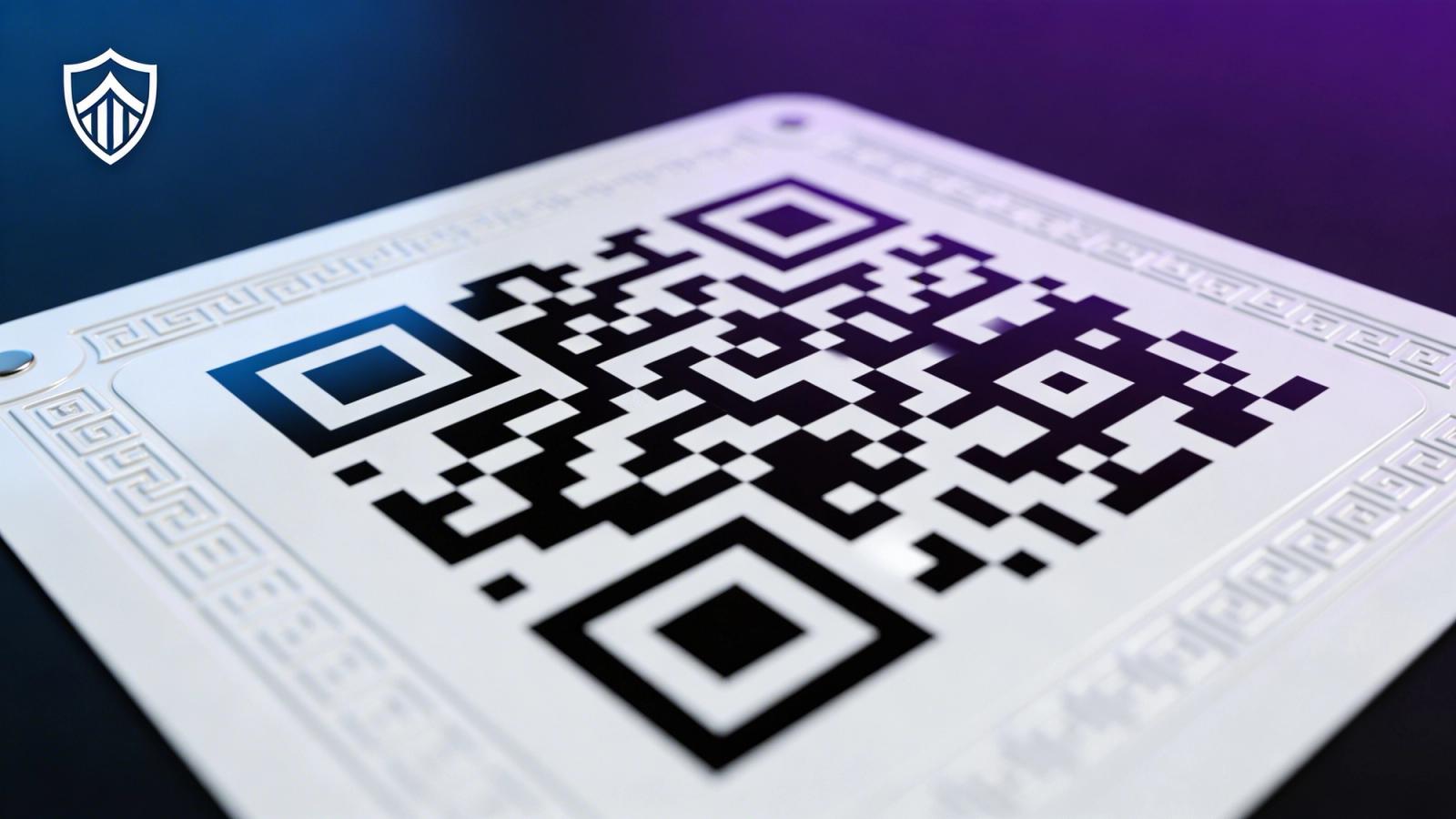
Specialized micro text borders surround the qr code labels adding further complexity. Scanners cannot duplicate these tiny details without significant degradation occurring. Quality custom label printer equipment generates these precise security features reliably.
Strategize Unique QR Placement Parameters
Executing unique qr placement requires strategic thinking regarding the customer journey. Correct positioning encourages buyers to scan to verify authenticity before purchase. Brands must avoid placing critical tags on heavily curved packaging surfaces.
Uneven surfaces warp the square modules breaking the complex mathematical matrix. Designers position tags on flat rigid planes to ensure structural stability. Proper placement ensures the look and feel remains aesthetically pleasing.
The physical label must invite interaction effortlessly without awkward manipulation. Accessible locations prompt rapid scans without demanding unnatural phone angles. Strategic orientation bridges the gap between elegant design constraints and core functionality securely.
Attach Secure Packaging Labels Properly
Applying secure packaging labels over product seals creates immediate tamper evidence. If a buyer opens the box the security tag tears apart. This unified approach protects the internal product completely from invisible tampering.
Shiny packaging labels often demand specific placement to mitigate localized reflections. Position tags away from harsh container edges where structural glare concentrates. Strategic alignment preserves the understated elegant packaging design while ensuring security.
Proper adhesion ensures labels withstand severe environmental stress during global transit. Temperature fluctuations degrade subpar adhesives causing the labels to peel prematurely. Reliable manufacturing guarantees the tag survives until reaching the final consumer.
Determine the Right Label Finish Expertly
Finding the right label finish for barcodes stabilizes long term scanning reliability. Choosing the right matte finish eliminates the harsh reflections blinding consumer lenses. This deliberate choice directly improves backend scan success rate analytics.
Analyzing matte vs gloss reflectivity guides precise substrate procurement accurately. Matte paper absorbs ambient illumination creating a stable uniform background instantly. Matte coating reduces glare significantly allowing cameras to lock onto modules.
You inevitably avoid fingerprint smudges on glossy materials by switching finishes entirely. Fingerprint smudges obscure critical data points ruining the digital tracking process. The finish best for scannability always minimizes surface oil retention completely.
Complete the Scannable Label Checklist
Running a comprehensive scannable label checklist ensures zero defects enter production. Teams verify high contrast printing parameters before approving massive manufacturing runs. Systematic reviews validate that authentication label printing meets core security demands.
This strict audit confirms every dynamic routing link points accurately to secure databases. Brand protection specialists test random samples mimicking true retail scan environments. Quality assurance solidifies the ultimate consumer trust in the brand.
Identifying flaws pre production minimizes massive financial waste and logistical delays. A rigid validation protocol guarantees correct label dimensions coordinate with package constraints optimally. These routine tests lock in long term supply chain integrity perfectly.
Review the QR Placement Checklist
A rigorous qr placement checklist verifies structural positioning on all packaging. Inspectors confirm the mandatory quiet zone margin remains uncompromised by surrounding graphics. Proper spatial alignment prevents accidental optical interference during smartphone validation.
The checklist demands testing across varied physical mockups before ultimate approval. Engineers ensure tags sit completely flat without intersecting box folds. Eliminating surface curvature guarantees the integrity of custom qr authentication scans.
Assess alignment consistently alongside glossy surfaces that might neighbor the tag. Even if the tag utilizes matte properties surrounding shiny areas reflect light. Controlling adjacent reflections secures the entire physical scanning target effectively.
Finalize the Finish Best for Labels Evaluation
The finish best for labels perfectly aligns operational mechanics with aesthetic goals. Brand managers review prototypes analyzing how glare prevents qr scan functionality. Addressing illumination challenges head on secures the product validation pipeline.
Testing environments must replicate harsh fluorescent lighting found in retail spaces. This illuminates why glossy labels reflect light detrimentally across data modules. Evaluating these variables proves matte outperforms alternative materials during verifications.
Your ultimate decision shapes how seamlessly users interact with enterprise security systems. Brands that prioritize usability recognize matte dominates the reliability metrics completely. Superior finishes guarantee authenticity protocols function flawlessly worldwide protecting consumers continuously.