On this page
- High-Tack Adhesives for Rough Surfaces
- Why Does Texture Compromise Adhesion
- Solving the Reduced Contact Area Problem
- How Do High-Tack Adhesives Function
- Balancing Immediate Tack with Durable Bonding
- Where Are These Adhesives Essential
- Labeling Drums and Textured Containers
- Managing Chemical and Industrial Packaging
- Selecting the Right Facestock Material
- Polypropylene and PET Film Performance
- Optimizing Application Techniques
- Managing Pressure and Dwell Time
- Validating Adhesion Protocols
- Simulating Transport and Stress
High-Tack Adhesives for Rough Surfaces
Why Does Texture Compromise Adhesion
Adhesion relies fundamentally on molecular proximity. For an adhesive to function, it must establish intimate contact with the substrate surface. Standard adhesives aim for a smooth, flat interface where the adhesive layer can bond evenly across the entire targeted area. Textured surfaces disrupt this ideal scenario immediately.
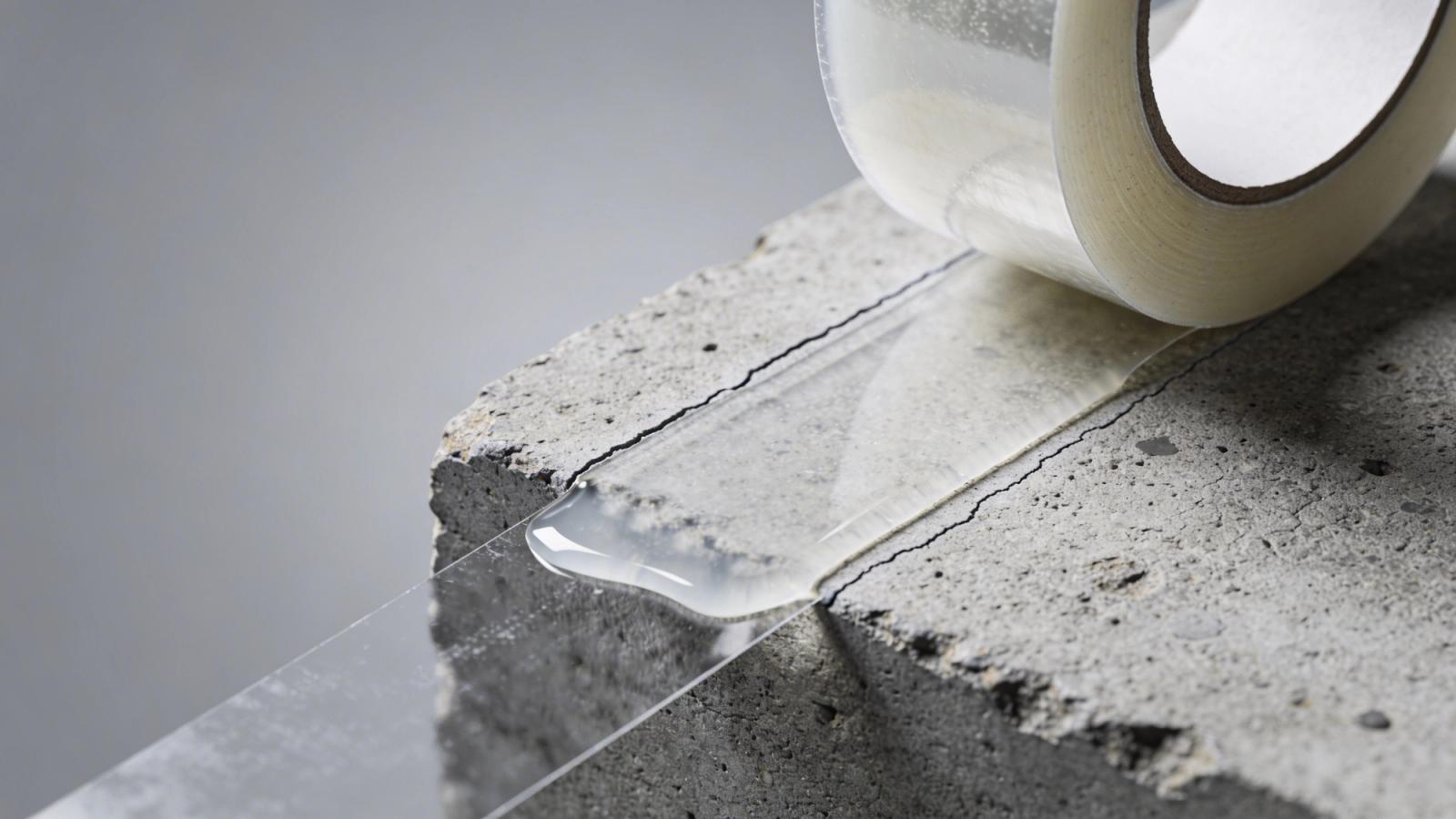
When a surface possesses topography, such as the "orange peel" texture of a plastic drum or the grain of unpolished wood, the adhesive faces physical barriers. Standard adhesive coatings act like a rigid sheet resting on top of a mountain range. They touch only the peaks of the texture, bridging over the valleys without making contact.
This lack of contact destroys the bond strength. Adhesion is a function of the total surface area wetted by the adhesive. On a rough surface, the actual contact area might drop to as little as 20% of the total label size. This dramatic reduction renders standard adhesive formulations useless, leading to immediate flagging or eventual delamination.
Surface energy also plays a conflicting role here. Rough surfaces often consist of low surface energy (LSE) plastics like polyethylene or polypropylene. These materials naturally repel liquids and adhesives. The combination of physical surface roughness and low chemical affinity creates a dual threat that standard labeling solutions cannot overcome.
Solving the Reduced Contact Area Problem
The primary failure mode on rough surfaces is the presence of air gaps. These microscopic pockets of air between the adhesive and the substrate act as dead zones where no bonding occurs. Over time, temperature fluctuations cause this trapped air to expand and contract.
This expansion exerts outward pressure on the label from underneath. If the adhesive has not flowed into the valleys of the surface texture, the bond at the peaks is insufficient to resist this pressure. The result is edge lifting, where the label begins to peel away starting at the periphery.
To counteract this, the adhesive must possess specific rheological properties. It needs to wet out effectively, meaning it must flow like a liquid to fill the valleys and interstitial spaces. Achieving this requires a formulation that is soft enough to deform under application pressure but cohesive enough to hold the label in place.
High-tack label adhesives are engineered specifically to maximize this "wet-out" potential. They utilize higher coat weights, applying a thicker layer of adhesive that can physically engulf surface irregularities. A thicker coat weight ensures that even when the adhesive bridges a gap, enough material is present to sag into the texture and establish contact.
How Do High-Tack Adhesives Function
High-tack adhesives differ chemically and physically from general-purpose permanent adhesives. They are designed with lower viscosity during the bonding phase, allowing them to flow more aggressively. This flow is critical for penetrating the porous or uneven structures of rough substrates like tire rubber, textured ABS, or cast metal.
The formulation typically involves softer, more viscoelastic polymers. These polymers exhibit a high degree of cold flow, meaning they continue to move and settle into the surface texture even after the initial application pressure is removed. This time-dependent flow increases the bond strength over the first 24 to 48 hours.
Coat weight is the second lever manufacturers pull. A standard label might use a coat weight of 18 to 20 grams per square meter (gsm). Adhesives for rough surfaces often push this to 30 gsm, 60 gsm, or even higher. This extra volume provides the microscopic "caulk" needed to fill surface voids completely.
These adhesives also rely on aggressive initial grab. Because the contact area is evolving as the adhesive flows, the formulation must grip the peaks of the substrate instantly with high force. This prevents the label's memory—its tendency to return to a flat shape—from popping the label off before the adhesive fully wets out the valleys.
Balancing Immediate Tack with Durable Bonding
There is often a trade-off between initial tack and long-term shear strength. Highly aggressive rubber-based adhesives offer superior initial stick. They feel incredibly sticky to the touch and grab rough surfaces instantly. They are excellent for difficult substrates where immediate adhesion is the priority.
However, rubber-based adhesives can be susceptible to oxidation and UV degradation over time. For industrial applications requiring outdoor durability, manufacturers often turn to modified acrylic adhesives. These are engineered to provide high initial tack while maintaining the longevity and chemical resistance inherent to acrylics.
Solvent acrylics, in particular, engage in a process called "cross-linking" after application. They flow into the rough surface initially, but over time, the chemical structure creates a permanent, networked bond. This results in a label that becomes increasingly difficult to remove, creating a permanent solution for asset tracking or hazard warning.
The choice between rubber and acrylic high-tack options depends on the lifecycle of the product. If the label must survive five years in a chemical plant, a high-tack solvent acrylic is necessary. If the priority is sticking to a dusty concrete block for a week, a heavy coat-weight rubber adhesive is more efficient.
Where Are These Adhesives Essential
Industrial environments provide the most common use cases for these specialized adhesives. Standard warehouse labeling fails when applied to wooden pallets, concrete floors, or textured storage bins. The surface irregularity in these environments demands an adhesive that acts almost like a gap-filling agent.
Automotive parts manufacturing is another critical sector. Components typically feature cast metal surfaces, powder-coated finishes, or oily substrates. Cast metal is inherently rough and often contaminated. Powder coating creates a pebbled texture that repels standard adhesives due to low surface energy slip agents.
Outdoor power equipment and heavy machinery also require high-tack solutions. Warning labels on chainsaws, lawnmowers, or excavators are applied to plastics that are both textured (to hide scratches) and made of LSE materials. A standard label would fall off within minutes of operation due to vibration and heat.
Labeling Drums and Textured Containers
HDPE drums and jerry cans represent one of the most difficult challenges in packaging. These containers are blow-molded, a process that leaves a microscopic texture on the surface. Furthermore, the polyethylene material itself is a low-energy plastic that resists chemical bonding.
Contents in these drums are often hot-filled, causing the plastic to expand and then shrink as it cools. This expansion allows the surface to breathe, potentially pushing the label off. High-tack adhesives for these applications must accommodate this thermal cycling without losing their grip on the textured surface.
The "orange peel" texture common on industrial jerry cans reduces the effective contact area significantly. A high coat-weight adhesive fills the dimples of this texture. Without this gap-filling capability, moisture and chemicals can wick behind the label, attacking the adhesive from the inside out and causing total failure.
Managing Chemical and Industrial Packaging
In chemical packaging, the stakes are high. Regulatory compliance often implies that labels must remain affixed even if the container is submerged in seawater, consistent with BS 5609 standards. Rough surfaces on chemical drums make this requirement difficult to meet without specialized adhesives.
Chemical spills are a reality in these environments. If a standard adhesive is used on a rough drum, a chemical spill can impinge on the bond line through the air gaps. Solvents can then dissolve the adhesive, causing the crucial safety information to wash away.
High-tack adhesives with excellent chemical resistance create a barrier. By wetting out the surface completely, they eliminate the pathways for chemicals to penetrate beneath the label. This essentially seals the interface between the label and the container, ensuring regulatory information stays legible and attached.
Selecting the Right Facestock Material
The adhesive does not work in isolation; the facestock material plays a pivotal role in the success of the bond. On a rough surface, the stiffness of the facestock acts as a lever. If the material is too rigid, it will fight the adhesive, constantly trying to spring back to a flat plane.
For rough surfaces, conformability is key. A conformable facestock bends and molds itself to the topography of the substrate. This reduces the stress on the adhesive bond. Instead of fighting the label's desire to straighten out, the adhesive can focus on gripping the surface.
Paper labels offer poor conformability and durability for these applications. Synthetic films are the industry standard for high-performance labeling. However, not all films are equal. A thick, rigid polyester might look durable, but on a curved, textured surface, its memory could overcome the adhesive's initial tack.
Polypropylene and PET Film Performance
Polypropylene (PP) is often the preferred choice for textured containers. It strikes a balance between durability and flexibility. It is soft enough to conform to minor surface irregularities, allowing the high-tack adhesive to do its job without constant counter-force involves the label lifting.
Polyethylene (PE) films are even more conformable. They are ideal for squeezable containers or surfaces with significant variation. Because PE moves with the container, it eliminates shear stress on the adhesive layer during handling or thermal expansion.
Vinyl (PVC) is another strong contender for outdoor heavy-duty applications. It is extremely pliable and lacks the "memory" of polyester. Once pressed into a rough surface, vinyl tends to stay there, making it an excellent partner for aggressive, high-coat-weight adhesives on difficult substrates like stucco or cast metal.
Optimizing Application Techniques
Even the strongest adhesive will fail if applied incorrectly to a rough surface. The goal of the application process is to force the adhesive into the valleys of the texture. Passive application, where the label is simply placed on the item, is insufficient.
Pressure is the catalyst for wetting out. Pressure-sensitive adhesives (PSAs) require distinct force to activate their flow properties. On a smooth surface, light pressure works. On a rough surface, significant, uniform pressure is mandatory to crush the adhesive into the substrate's microstructure.
Temperature at the time of application also matters. Cold environments increase the viscosity of the adhesive, making it stiffer and less likely to flow into gaps. Applying labels in a warm environment facilitates better wet-out, even if the product will eventually be stored in a freezer.
Managing Pressure and Dwell Time
On automated labeling lines, the rollers or brushes following the dispense point are critical. Soft, foam rollers are often superior to hard rubber rollers for rough surfaces. The foam deforms around the texture, ensuring that pressure is applied to the low points, not just the high peaks.
Dwell time is the duration the pressure is applied. High-speed lines can sometimes move too fast for high-tack adhesives to initially settle. slowing the line speed slightly or adding a secondary wipe-down station can drastically improve success rates.
For manual applications, using a squeegee rather than a hand wipe ensures higher PSI (pounds per square inch) transfers to the specific bond points. The technique should involve a firm stroke from the center outward to evacuate trapped air from the texture valleys, preventing future bubbling.
Validating Adhesion Protocols
Theoretical specifications often differ from real-world performance. Testing is the only way to confirm a high-tack adhesive will survive the supply chain. Standard peel tests on stainless steel plates are irrelevant here; testing must occur on the actual production substrate.
Substrate variation is a common oversight. One batch of plastic drums may have a slightly heavier texture than the next. Testing should encompass the full range of surface roughness expected in production to ensure the adhesive has a large enough performance window.
Cleanliness protocols must also be part of the test. High-tack adhesives are forgiving, but they cannot adhere to grease or heavy dust. Validating the cleaning process alongside the adhesive selection ensures the glue bonds to the substrate, not to a layer of industrial grime.
Simulating Transport and Stress
A simple 24-hour dwell test is a good start, but it misses dynamic stressors. Conducting vibration testing simulates the friction labels experience during shipping. Labels that seem secure can rub off against cardboard dividers if the adhesive hasn't fully cured or effectively wet out the texture.
Thermal cycle testing is vital for outdoor or industrial applications. Moving the labeled product from a freezer to a humidity chamber simulates the expansion and contraction of the substrate. This reveals if the adhesive maintains its elasticity and bond strength when the rough surface shifts beneath it.
The "mandrel hold" test is particularly useful for curved, rough surfaces like pipes or small drums. This measures the label's resistance to "flagging" or lifting at the edges. If the high-tack adhesive holds the edges down on a tight diameter despite the surface texture, it indicates a robust, long-term bond.