
Contact Sales Now
Thank you! Your submission has been received!
Oops! Something went wrong while submitting the form.

Contact Sales Now
Thank you! Your submission has been received!
Oops! Something went wrong while submitting the form.

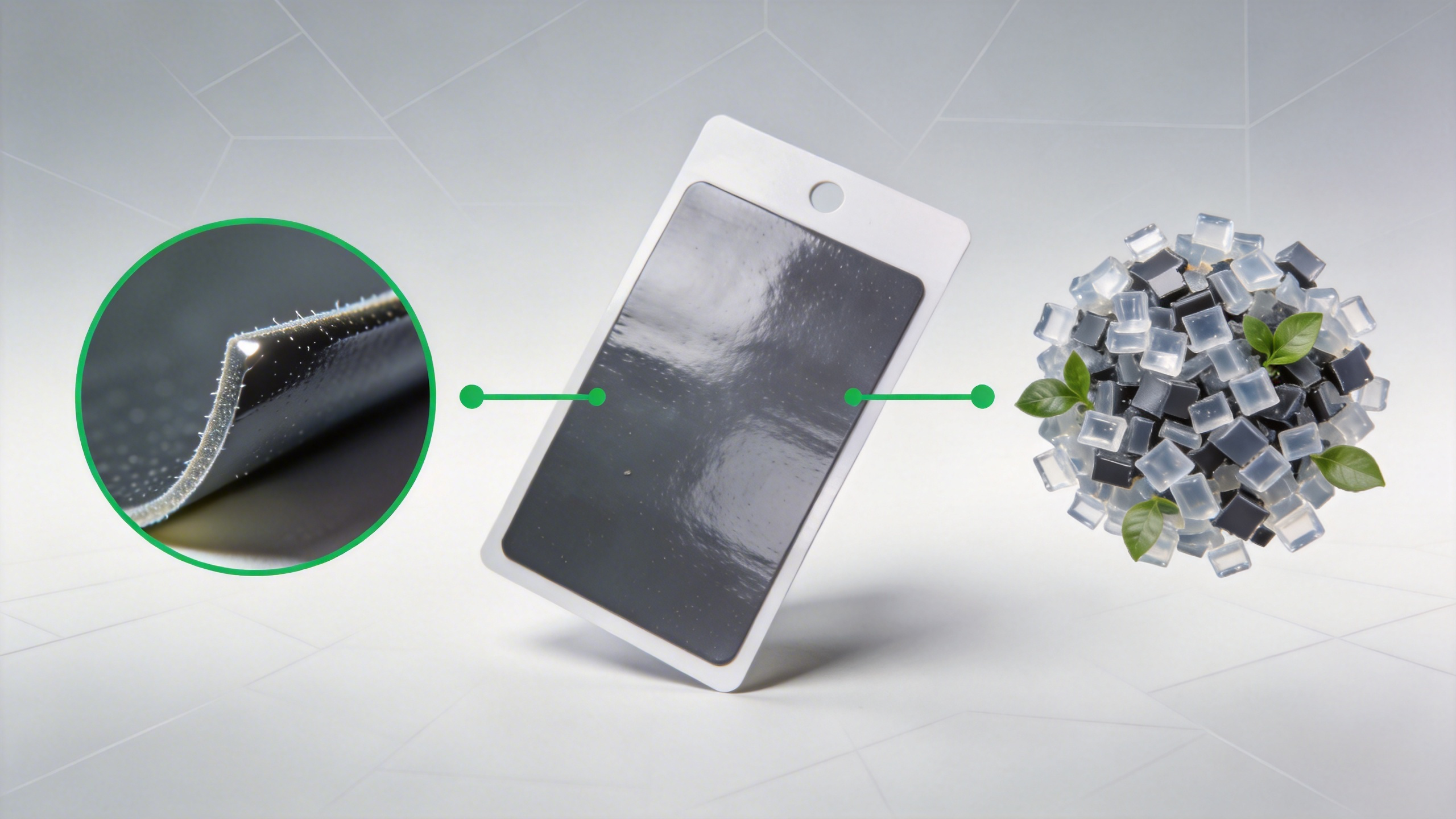
Polyvinyl Chloride, widely referred to as PVC or vinyl, stands apart in the market when you need durable labels due to its inherent material structure. Unlike rigid substrates, PVC incorporates plasticizers during the manufacturing process. These additives modify the polymer chains, allowing the material to maintain exceptional pliability while resisting cracking under stress, providing quality and durability when you create labels.
This formulation creates a label stock that accommodates surface irregularities better than most heavy-duty alternatives for this type of label because labels need to conform. The material exhibits a lower modulus of elasticity compared to polyester labels, enabling it to stretch slightly without recovering immediately. This characteristic deters the label from lifting off complex curves or textured surfaces shortly after application.
Printers value custom labels and durable vinyl labels for their high surface energy and dyne levels, which facilitate ink anchorage. Whether utilizing solvent-based inks for screen printing, UV-curable inkjet systems, or thermal transfer ribbons, the PVC surface accepts pigments efficiently. The result is high-density color reproduction that resists scratching or flaking during wear and tear, ensuring labels stay intact during handling.
In the context of print longevity, vinyl outperforms paper labels and standard polypropylene in resisting UV degradation and UV rays. The molecular stability of the vinyl chloride monomer protects the ink substrate boundary from UV light. This ensures that variable data, such as barcode labels or identification labels, remain legible even after prolonged sun exposure.
There is a distinct technical difference between calendered and cast vinyls regarding print stability for PVC products. Calendered vinyl begins as a dough-like mixture and is rolled flat, retaining some memory that can cause shrinkage and make a label peel. Cast vinyl is poured as a liquid, resulting in zero memory and superior dimensional stability for precision printing and label durability.
Selecting the right topcoat or coating is essential for maximizing this printability. While the raw vinyl enables adhesion, engineered topcoats chemically bond with specific ink formulations. This synergy prevents chemical abrasion or a solvent from compromising the legibility of safety warnings or branding elements on industrial equipment or equipment labels where labels provide critical safety data.
Outdoor labels demand materials that withstand outdoor conditions, extreme temperatures, humidity, and ultraviolet radiation. PVC excels in these demanding conditions because it is naturally waterproof and resistant to oxidation. It acts as a barrier, protecting the adhesive layer beneath from elements that typically cause delamination in weaker substrates across a wide range of applications.
Industrial sectors rely heavily on waterproof PVC labels as labeling solutions for identifying chemical drums and hazardous waste containers. These applications often require adherence to GHS (Globally Harmonized System) standards and compliant labels. Vinyl provides the necessary chemical resistance of PVC to ensure GHS labels and warning symbols remain intact if contents spill over the label surface.
Marine environments pose a specific challenge regarding saltwater corrosion and intense UV exposure. Durable vinyl labels meet British Standard 5609 (BS 5609) criteria for marine immersion to help labels to last. This certification ensures that the label remains adhered and legible even after months of floating in seawater, a prerequisite for international shipping labels.
Construction equipment and fleet vehicles require markings that survive high-pressure washing and road debris. The mechanical toughness of heavy-duty vinyl prevents the facestock from tearing upon impact so labels maintain their integrity. This durability and resistance lowers the frequency of label replacement, maintaining asset identification throughout the machinery's lifecycle.
In the agricultural sector, machinery and chemical hoppers utilize PVC to combat pesticide exposure. The material resists degradation from acidic fertilizers and alkaline cleaning agents. This ensures labels meet safety regulations requiring permanent identification on agricultural tools used in harsh field conditions and extreme conditions.
Promotional stickers for lifestyle brands prioritize tactile feel and weather resistance because labels aren’t just for function. Vinyl is the standard for bumper stickers and helmet decals because it survives rain and car washes without peeling. The thickness of the material conveys quality and durability to the consumer.
Point-of-sale displays in garden centers or outdoor retail environments utilize PVC for shelf talkers and product tags. Paper-based labels absorb moisture and curl within hours in these settings. Vinyl remains flat and legible, preserving the visual appeal of the merchandising setup despite high humidity or irrigation systems when exposed to moisture.
Automotive aftermarket parts use vinyl labels for under-the-hood identification. These environments subject labels to engine heat, oil fumes, and grease where the label is exposed. A PVC construction ensures that service information and labels must remain accessible to mechanics years after the part was manufactured and installed.
Rental equipment assets utilize rugged vinyl tags to track inventory. These items endure constant handling, stacking, and transport. The abrasion resistance of PVC ensures the barcode or QR code remains scannable, preventing asset loss in high-turnover rental supply chains where labels are essential.
Rigid containers and tight-radius curves defeat most polyester labels due to "flagging," where the label edge springs back up. PVC labels possess a "dead fold" characteristic or low memory. This allows the material to drape over compound curves and stay in place without edge lift, ensuring labels don’t peel and perform well for labels because they’re flexible.
Squeezable containers, such as those used for shampoos or industrial lubricants, require a face stock that flexes with the bottle. Rigid materials wrinkle or crack when the bottle is deformed. Vinyl expands and contracts with the container, maintaining bond integrity during dispensing so the label will remain intact.
Textured surfaces, including powder-coated metals and low-energy plastics, present adhesion challenges. The softness of PVC allows the adhesive to flow into the microscopic valleys of the texture. This increases the total surface area contact, enhancing the ultimate bond strength of the label, making it ideal for applications with rough surfaces.
The conformability extends to label applications involving expanding and contracting surfaces due to thermal cycling. As a metal pipe heats and cools, a rigid label might shear off. Vinyl accommodates this thermal expansion, moving with the substrate rather than fighting against it, ensuring the label must stay adhered.
Die-cutting intricate shapes is more efficient with vinyl due to its clean fracture properties during converting to create labels. This allows for complex label designs that wrap around irregular product geometries. Brands can utilize unique shapes for shelf impact without worrying about the labels to be removed unintentionally at sharp corners.
Waterproof PVC labels provide a complete moisture barrier. Unlike standard labels that wick moisture through the edges, vinyl is non-hygroscopic. It absorbs zero water, preventing the swelling and distortion that leads to adhesive failure in humid or submerged conditions, ensuring labels stay intact.
Resistance to solvents and oils is a defining trait of the polymer structure. In automotive and aerospace applications, exposure to hydraulic fluids is common. PVC labels maintain their structural integrity and prevent these fluids from penetrating through to the adhesive layer, which could dissolve the bond, ensuring labels perform reliably.
The material exhibits strong resistance to inorganic acids and alkalis. This makes it suitable for labeling cleaning agent bottles or industrial acid tanks. The PVC film acts as a shield, ensuring the safety information remains intact and legible even if the container leaks or drips occur.
Bio-resistance is another often-overlooked strength. Vinyl does not support the growth of mold or mildew. In damp environments like basements or outdoor storage, organic substrates may rot, but PVC labels remain inert and hygienic, preserving the information they carry.
Salt spray resistance is critical for coastal logistics and offshore drilling equipment in demanding conditions. Vinyl is impervious to the corrosive effects of salt air. This durability ensures that logistics tracking numbers remain scan-capable throughout transoceanic shipments.
Despite performance benefits, PVC poses significant challenges in standard recycling infrastructure. The specific gravity of PVC is higher than that of water, causing it to sink in float-sink separation tanks. Unfortunately, PET (polyethylene terephthalate) bottle flakes also sink, leading to contamination where labels also cause issues.
When a PVC label enters a PET recycling stream, it degrades at a much lower temperature than PET requires for processing. This degradation releases acids that yellow the recycled PET plastic and cause brittleness. Even minute amounts of PVC contamination can render a large batch of recycled PET unusable for high-quality applications.
Recyclers often view PVC as a contaminant to be actively removed. Optical sorters struggle to distinguish clear vinyl labels from clear PET bottles. This necessitates expensive manual sorting or advanced near-infrared technology to prevent the contamination of the rPET (recycled PET) supply chain.
The release of chlorine during thermal processing is a hazard for recycling machinery. It can corrode the screws and barrels of extruders used to re-melt plastics. This increases maintenance costs for recyclers and discourages them from accepting bales of plastic known to contain vinyl labels.
While "vinyl loop" recycling or eco-friendly pvc initiatives exist, they are generally limited to specific industrial waste streams like flooring or siding. Post-consumer packaging labels rarely find their way back into these specialized loops. Consequently, most PVC labels on consumer goods end up in landfills or incineration facilities.
Many global brands are actively removing PVC from their packaging portfolios to meet internal sustainability goals (CSR). The "Red List" of materials published by various environmental NGOs often includes polyvinyl chloride. Continued use can lead to reputational damage among eco-conscious consumers.
Legislative pressure regarding Extended Producer Responsibility (EPR) is increasing the cost of using difficult-to-recycle materials. In some jurisdictions, brands pay higher fees for packaging components that disrupt the recycling stream. PVC labels often attract the highest tier of penalty fees in these schemes because labels require specialized handling.
The production of PVC involves chlorine chemistry and historically necessitated the use of phthalates as plasticizers. While modern manufacturing has reduced reliance on harmful phthalates, the association remains. Regulations like REACH in Europe and Prop 65 in California require strict monitoring of these chemical additives for labeling solutions.
Incineration of PVC waste remains a contentious issue due to the potential formation of dioxins if combustion is not perfectly controlled. Dioxins are persistent organic pollutants. Brands aiming for "Zero Waste into Landfill" often inadvertently send PVC to waste-to-energy plants, where these emissions must be heavily scrubbed.
Retailers with strict sustainability scorecards may delist products utilizing PVC packaging. Major supermarkets and big-box retailers are setting deadlines for purely recyclable packaging. Persistent use of PVC labels puts a product at risk of losing shelf space in these forward-thinking retail environments.
Polypropylene (PP) serves as the primary alternative to PVC for rigid containers. It is lower in density and floats in recycling tanks, separating easily from PET. PP labels offer excellent clarity and printability, making them suitable for the majority of food, beverage, and personal care applications.
Polyester labels (PET) are the go-to substitute for high-heat and industrial durability. PVC vs PET labels comparisons often show that PET withstands higher temperatures without melting or shrinking. This makes PET ideal for electronics labeling and under-the-hood automotive applications where heat resistance is paramount.
Polyolefin blends are emerging to bridge the gap between flexibility and recyclability. These co-extruded films combine polyethylene and polypropylene to mimic the conformability of vinyl. They offer a "squeezable" solution that is compatible with the varying recycling streams of polyolefin containers.
Bio-based plastics are gaining traction but often lack the extreme durability of PVC. However, for short-term outdoor applications, films derived from wood pulp or corn starch are improving. Brands must verify that these alternatives actually degrade in real-world conditions rather than just fragmenting when they use plastic alternatives.
When comparing PVC vs PP labels, PP generally lacks the outdoor lifespan of vinyl labels. Standard PP becomes brittle under UV exposure faster than high-grade vinyl. However, UV-stabilized PP variants are closing this gap, offering a viable compromise for outdoor products requiring a 1-3 year lifespan.
Choosing between PVC and alternatives requires a strict audit of the product's lifecycle environment. If the product stays indoors, widely recyclable PP is almost always the superior choice when producing labels in-house. The extreme durability of PVC is unnecessary for ambient warehouse or retail environments.
For outdoor exposure exceeding five years, PVC remains difficult to replace cost-effectively. While costly specialized polyesters exist, vinyl offers the best price-to-performance ratio for long-term fleet graphics and chemical drum labeling. The decision here leans on performance safety over end-of-life recyclability.
In high-heat environments (above 140°F / 60°C), PVC is unsuitable as it softens and degrades. PET is the mandatory choice here. Conversely, in cryogenic environments, specialized nylon or specific polyolefins may perform better than standard vinyl, which can become brittle and shatter at extremely low temperatures.
Conformability requirements dictate the choice for curved surfaces. If the surface is a tight compound curve, cast vinyl is unmatched. However, for simple cylindrical curves, conformable polyolefins work well and improve the recycling profile of the final package.
Ultimately, the "environment" includes the regulatory landscape. If a product is sold in markets with strict plastic taxes, the financial penalty of using PVC might outweigh its low material cost. Switching to a compatible material can result in net savings despite higher upfront material costs.
The decision to use PVC labels should be binary based on critical performance thresholds. Does the application require BS 5609 immersion certification? If yes, PVC is a leading contender. If the label is purely decorative for a single-use consumer good, PVC is likely an over-engineered and sustainable liability.
Calculate the Total Cost of Ownership (TCO), not just the per-unit label cost. Include potential EPR fees, disposal costs, and brand equity risks. Cheap vinyl labels may become expensive if they trigger higher recycling taxes or result in a retailer mandate to repackage inventory.
Consult the technical data sheet (TDS) for the expected service life. If the product life is 10 years (e.g., a lawnmower), the label must match that lifespan. PVC or high-grade PET are justified here, eliminating the need for frequent replacements. If the product life is 3 months (e.g., a shampoo bottle), using long-life vinyl is environmentally irresponsible.
Engage with your recycling partners or waste management vendors. Ask if their specific local facilities can handle PVC without contaminating other streams. In closed-loop B2B systems, PVC might be acceptable if the waste is collected and managed separately from municipal recycling.
Review the application surface energy to adhere correctly. Low-energy plastics (LSE) are notoriously difficult to bond to. While aggressive adhesives exist for all face stocks, the conformability of vinyl often aids the initial wet-out of the adhesive on difficult LSE textures better than stiffer alternatives when applying the label.