On this page
- Permanent vs Removable Adhesives
- Label Adhesive Types: Removable and Repositionable Adhesive Labels and the Difference Between Permanent and Removable Adhesives
- Understanding Adhesive Labels and the Physics Behind the Bond
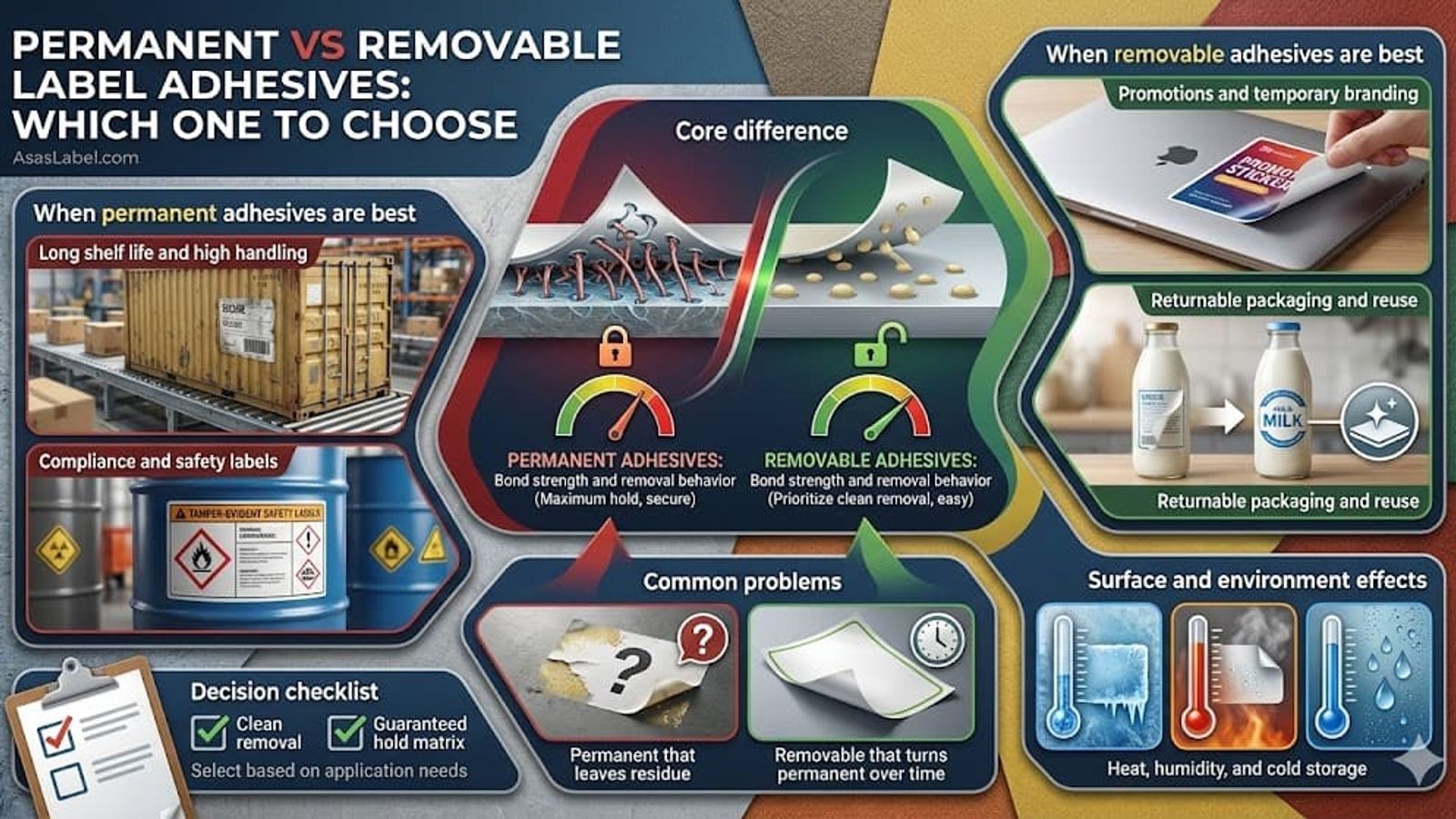
- Bond strength and removal behavior
- Permanent Label and Permanent Adhesive: When They Are Necessary
- Long shelf life and high handling
- Compliance, Tamper-Evident Labels, and Safety and Warning Marks
- Removable Label and Removable Adhesive: When They Are the Best Type of Label
- Promotions, Temporary Branding, and Price Tags
- Returnable packaging and Reusable Containers
- Common Performance Issues: Difference Between Permanent and Removable Adhesives
- Difference Between Permanent and Removable: When Removables Turn Permanent
- Permanent vs Removable: When Permanents Leave Residue
- Surface and Environment Effects on Permanent and Removable Labels
- Heat, humidity, and extreme temperatures
- Decision Checklist: Choose the Right Permanent and Removable Adhesives
- Clean removal vs guaranteed hold: Permanent vs Removable Adhesive Labels
Permanent vs Removable Adhesives
Label Adhesive Types: Removable and Repositionable Adhesive Labels and the Difference Between Permanent and Removable Adhesives
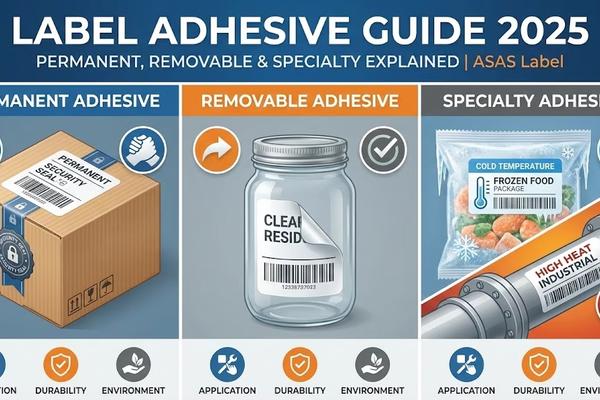
Selecting the wrong label adhesive formulation is an expensive mistake in manufacturing and logistics. A label that falls off typically results in lost inventory or asset tracking gaps while a removable label that stays stuck when it should remove clean causes customer frustration and surface damage. To learn the differences between permanent and removable adhesive types helps prevent choosing the wrong label for your application. The distinction lies in the engineering of the permanent and removable bond.
Adhesion is not a singular property but a complex interaction between the facestock, the adhesive layer, and the specific substrate energy. Label experts must move beyond the simple binary of "sticky" or "not sticky" to understand how tack, shear, and peel strength interact over time for permanent vs temporary decals. Whether you put a label on a high-tech device or a shipping carton, the adhesive labels are designed to meet specific environmental stresses.
The choice to choose between permanent and temporary solutions dictates the lifecycle of the product packaging. It affects recycling streams, brand perception, and regulatory compliance. Understanding the chemical and physical nuances of pressure-sensitive adhesives (PSAs) provides the operational leverage needed to make correct specification decisions when you need help choosing the best label for your specific temperature conditions.
Understanding Adhesive Labels and the Physics Behind the Bond
The fundamental operational difference usually comes down to whether the adhesive is designed for ultimate adhesion or controlled release. This distinction is governed by the viscoelastic properties of the adhesive polymer. Permanent label solutions are specifically rated for long-term bonding as the adhesives are designed to flow into the substrate irregularities and harden, while removable adhesive labels maintain a degree of elasticity.
Failure in a permanent label adhesive typically results in the destruction of the label face or the substrate surface. In contrast, removable adhesive technology relies on failure at the adhesive-substrate interface. The cohesive strength of the glue must be higher than the bond it forms with the surface to ensure a clean exit without leaving behind a sticky residue.
Chemical composition plays a massive role here. Acrylic adhesive formulations generally offer different performance curves compared to rubber-based alternatives. While rubber offers high initial tack, acrylics provide stability for outdoor labels and chemical labels. Removable and repositionable adhesive labels often utilize microsphere technology or highly cross-linked acrylics to limit surface contact area and prevent the bond from building to permanence.
Bond strength and removal behavior
Peel adhesion measures the force required to remove a label after it has been applied. For permanent label applications, this force increases significantly over the first 24 to 72 hours. This period is known as the dwell time. The permanent adhesive ensures the bond is secure as it flows into the microscopic valleys of the substrate, effectively locking the label in place to stay for the long haul.
Removable adhesives are formulated to resist this flow over time. They maintain a consistent peel strength throughout the label's lifecycle. The chemistry prevents the polymer chains from wetting out fully onto the surface, ensuring the peel force remains low enough for human hands to remove without damaging the underlying surface or leaving a sticky residue.
Shear resistance helps removable adhesive labels stay in place without sliding while still allowing for removal. A removable label with low shear strength might slide off the product during shipping or leave a gummy residue behind because the internal strength of the adhesive was too weak to hold itself together during removal. High-quality adhesives are designed to allow for greater flexibility in how labels make it easy to manage inventory.
Permanent Label and Permanent Adhesive: When They Are Necessary
Permanent adhesive labels are the default requirement for the majority of industrial and consumer applications where identification must remain integral to the product. These permanent and removable labels function as a one-time application solution where removal is neither intended nor desired. The goal is a permanent bond that outlasts the product itself and can last for years.
Engineers specify permanent adhesive labels when the cost of a missing label exceeds the cost of the labeling process. This includes asset tracking in logistics, safety and warning labels on heavy machinery, or primary brand labels on consumer goods. The bond must withstand the specific stresses of the supply chain without flagging or lifting, especially for outdoor labels exposed to direct sunlight.
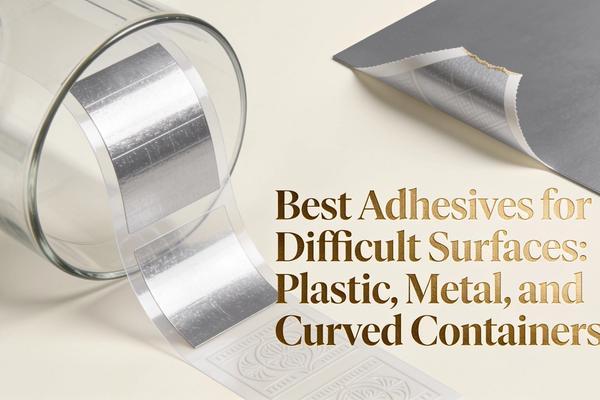
High-tack permanent label adhesives are specifically required for difficult substrates. Porous materials like corrugated board or textured plastics reduce the contact area for the adhesive. A permanent adhesive ensures the label stays on by flowing deeply into the fibers or texture, creating a mechanical interlock that removable adhesive labels cannot achieve. Some are even impossible to remove without specialized solvents.
Long shelf life and high handling
Products with extended lifecycles require adhesives that do not degrade over years of storage. Permanent acrylic adhesive types are excellent for resisting oxidation and UV exposure, which typically attack rubber-based glues. A label applied to a decal or drum of chemicals stored outdoors requires a permanent label that resists environmental weathering and extreme temperatures.
Handling frequency also dictates the need for permanence. Items that pass through multiple hands, automated sorters, or conveyor belts experience shear forces that can dislodge removable adhesive labels. A permanent label adhesive provides the high shear strength necessary to resist edge lift when a package brushes against guide rails or other boxes. Labels often need to hang on for dear life throughout global transit.
In logistics, the barcode is often the only link between the physical item and its digital record. If a shipping label detaches due to poor label adhesive, the package becomes lost freight. Permanent label adhesives with high initial tack ensure the label grabs the container and hang on immediately and builds ultimate bond strength before it hits the first distribution hub.
Compliance, Tamper-Evident Labels, and Safety and Warning Marks
Regulatory bodies often mandate that safety information and warning labels be impossible to remove without destroying the label. This is a requirement for tamper-evident labels. UL, GHS, and CSA standards frequently dictate that warning labels on electronics or industrial equipment must be a permanent label to prevent liability issues or user injury. Our label experts can help you get a quote for these specialized materials.
Tamper-evident labels and security seals rely entirely on aggressive permanent label adhesives. The cohesive strength of the label adhesive is engineered to be stronger than the face stock. If someone attempts to remove the label, the facestock delaminates or fractures, leaving clear visual evidence of tampering. A removable label here would render the security feature useless and fail to protect the product.
Medical and pharmaceutical labeling requires permanent adhesive labels to ensure patient safety. A vial label containing dosage information cannot fall off under refrigeration or during handling. The permanent label must survive sterilization processes, such as autoclaving or gamma irradiation, while maintaining a permanent adhesive bond to the glass or plastic container.
Removable Label and Removable Adhesive: When They Are the Best Type of Label
Removable adhesives solve specific user experience problems where the label is temporary. The value proposition here is residue-free removal without leaving behind a sticky residue. These removable adhesive labels are essential when the label is purely functional for a short duration, such as price tags or temporary asset tracking, and its presence later would degrade the product's aesthetic.
Manufacturers use removable label types when the substrate surface is delicate. Paper books, glassware, and high-gloss electronics require removable adhesive labels that peel off without tearing the underlying fiber. The removable adhesive must be removed without leaving a "ghost" image or sticky residue, ensuring you can remove without damaging the finish.
The engineering challenge is balancing sufficient holding power with ease of release. If the tack is too low, the removable label falls off prematurely. If the tack is too high, the label adhesive causes damage upon removal. Labels allow for reusable containers to be updated frequently, as removable labels make it easy to manage returnable assets.
Promotions, Temporary Branding, and Price Tags
Retail environments rely heavily on temporary instructional labels or promotional stickers applied directly to the product. Price tags and marketing stickers on the cover of a laptop must stay fixed while on the showroom floor but are designed to be removed effortlessly once the consumer installs the item at home. Removable adhesives you are free to strip away without leaving sticky residue behind.
Seasonal inventory management often utilizes removable adhesive labels to update pricing or stock codes without damaging the original packaging. This allows retailers to re-price items or add "clearance" tags that can be removed cleanly. The removable label serves a transient data function and allows you to remove and reapply the label if it’s accidentally applied askew during the busy season.
Apparel sizing strips are a classic application of removable adhesives labels designed for textiles. These adhesives labels must stick to your container or garment without pulling threads or leaving gum deposits that would ruin the product. The removable adhesive is specifically rated to prevent interaction with fabric dyes during the retail display period, allowing you to reposition the label as needed.
Returnable packaging and Reusable Containers
Circular economy initiatives drive the demand for removable label solutions on reusable containers. Plastic crates, beer kegs, and glass bottles in deposit systems need removable adhesive labels that survive the supply chain but are removed cleanly during the cleaning process. Removable adhesive labels facilitate the efficient sanitation and re-labeling of these assets.
In internal logistics, reusable containers and totes travel through closed-loop systems carrying different products each trip. A detailed barcode label is necessary for transit but becomes obsolete upon arrival. Removable adhesive labels make it easy to prevent the build-up of old labels, which can eventually interfere with automated scanners and conveyor sensors.
Glass recycling streams also benefit from specialized removable adhesive labels. Adhesive labels that release cleanly during the wash process prevent contamination of the cullet. If the label adhesive is a permanent label and does not separate, it burns during the melting process, creating carbon inclusions that weaken the recycled glass, so choosing the right one for your application is critical.
Common Performance Issues: Difference Between Permanent and Removable Adhesives
Adhesives labels are chemical technologies that react to their environment and the passage of time. Misconceptions about permanent and removable categories often lead to failures because users assume these states are static. In reality, label adhesive properties can drift based on storage conditions and substrate interaction. If you have questions, consider reaching out to customer service for a recommendation.
The difference between permanent and removable is often time-dependent. Many removable adhesive labels are only guaranteed to be removed cleanly for a specific window, such as six months. Beyond that, the label adhesive can alter the bond, leading to unexpected behaviors that frustrate end-users. Always choose the right label adhesive types for the expected duration of use.
Migration of chemical components is a frequent culprit in performance failure for permanent and removable types. The interaction between the label adhesive and the substrate can create a bond that was never intended, or conversely, cause a permanent label to fail. Predicting these interactions requires thorough compatibility testing, and our label experts can help you choose the right one.
Difference Between Permanent and Removable: When Removables Turn Permanent
One of the most frequent complaints in the industry is a removable label that locks up and becomes permanent. This phenomenon often occurs due to excessive dwell time. Over months or years, the label adhesive continues to wet out the surface, increasing the contact area until the removable adhesive is removed without leaving a clean finish being impossible.
UV exposure can cross-link certain rubber-based removable adhesives, causing them to harden and stay for the long haul. Instead of being removed cleanly, the removable adhesive becomes brittle or cures onto the surface like a varnish. This is common in outdoor labels exposed to direct sunlight, where the removable adhesive labels degrade rapidly and leave a sticky residue behind.
Substrate compatibility issues also cause a difference between permanent and removable behavior. Applying a standard removable adhesive to a PVC surface can result in plasticizer migration. The plasticizers soften the removable adhesive, turning it into a gooey, permanent mess. Specialized freezer-grade or barricade coatings are required to prevent this reaction.
Permanent vs Removable: When Permanents Leave Residue
Residue issues with permanent adhesive labels usually signal a failure of cohesive strength. This is known as "adhesive split." When a user tries to remove a permanent label (or when it is knocked off by force), the label adhesive layer splits internally, leaving half on the face stock and half on the product surface as a sticky residue.
This often happens when a generic permanent adhesive is used on a high surface energy (HSE) substrate like glass or stainless steel. The bond to the substrate is incredibly strong, but the internal bonds of the label adhesive are weaker. The result is a sticky, difficult-to-clean patch that requires solvents to remove without damaging the finish. Choose the right label adhesive types to avoid this.
Ghosting creates a different residue problem where the label adhesive visually mars the surface without leaving bulk material. Chemical components from the adhesive penetrate the surface of porous materials, creating a stain that mirrors the label shape. Permanent vs removable labels show this differently; permanent labels may last for years while removable labels allow for a clean surface after asset tracking.
Surface and Environment Effects on Permanent and Removable Labels
The environment in which a label is applied and the environment where it lives are often different. A permanent label adhesive applied at room temperature may fail when the product is moved to a blast freezer. Temperature affects the viscosity and modulus of the adhesive, altering its ability to flow and stick to your container for the duration of its lifecycle.
Surface energy is the invisible variable that dictates success when you choose between permanent options. High surface energy (HSE) materials like metals and glass are easy to bond to because the label adhesive flows readily. Low surface energy (LSE) materials like polyethylene repel the adhesive labels. Specialized high-tack permanent and removable adhesives are mandatory for LSE surfaces.
Contaminants on the surface act as barrier layers for any type of label. Dust, oil, frost, or release agents prevent the permanent adhesive from contacting the actual substrate. A permanent label will fail instantly if it bonds to a layer of dust rather than the package itself. Our label experts recommend surface preparation as a cost-effective way to ensure labels stick.
Heat, humidity, and extreme temperatures
Heat reduces the viscosity of the label adhesive, making it softer. While this can improve initial wet-out, excessive heat can cause the permanent and removable adhesive to ooze or bleed from the edges of the label. This bleeding can jam printer heads or cause adhesive labels to stick together on the roll. In extreme temperatures, shear strength drops, and permanent adhesive ensures labels don't slide.
Cold environments present the opposite challenge for permanent and removable types. As temperature drops, adhesives labels harden and lose their tack. Below the "minimum application temperature," the label adhesive acts more like glass than tape and will not bond. Freezer-grade permanent and removable adhesives are formulated with special polymers that remain soft and tacky even at sub-zero temperatures.
Humidity and moisture attack the permanent and removable labels bond in two ways. First, moisture can wick into paper label stock, causing them to curl and lift. Second, condensation on the product surface acts as a barrier. Emulsion acrylic adhesive types can re-emulsify and lose strength if submerged in water, whereas solvent-based options resist moisture intrusion for outdoor labels.
Decision Checklist: Choose the Right Permanent and Removable Adhesives
Choosing the correct adhesive requires a systematic evaluation of the application variables. Skipping this validation step invariably leads to downstream failures and increased label spend. The cost of a label is a fraction of a cent, but the cost of relabeling inventory or processing returns is substantial. Need help choosing? Get a quote today for the right materials.
The validation process must account for the full lifecycle of the permanent and removable labels. This includes the application method, the storage duration, the transit conditions, and the end-of-life reuse of the reusable containers. Each stage introduces specific stressors that the permanent and removable adhesive must withstand to ensure your label stays in place.
Clean removal vs guaranteed hold: Permanent vs Removable Adhesive Labels
Label experts recommend using a decision matrix to determine the precise adhesion requirements. Start by identifying the substrate. Is it smooth glass (HSE) or textured plastic (LSE)? If it is textured, you immediately need a higher coat weight or a more aggressive permanent adhesive to flow into the voids and stay for the long haul.
Next, define the temperature range. If the product is labeled at room temperature but stored in a freezer, standard permanent adhesive labels may crystallize and pop off. Ensure the technical data sheet specifies a service temperature range that covers the coldest and hottest points of the supply chain when you choose between permanent options.
Finally, determine the removal requirement and the difference between permanent and removable needs. If removal is needed, define the timeframe. "Removable" for two weeks is chemically different from "removable" after two years. If the deadline for removal is vague, removable and repositionable adhesives offer a safer middle ground than standard permanent adhesive labels. For more help, consider reaching out to customer service.