
Contact Sales Now
Thank you! Your submission has been received!
Oops! Something went wrong while submitting the form.

Contact Sales Now
Thank you! Your submission has been received!
Oops! Something went wrong while submitting the form.

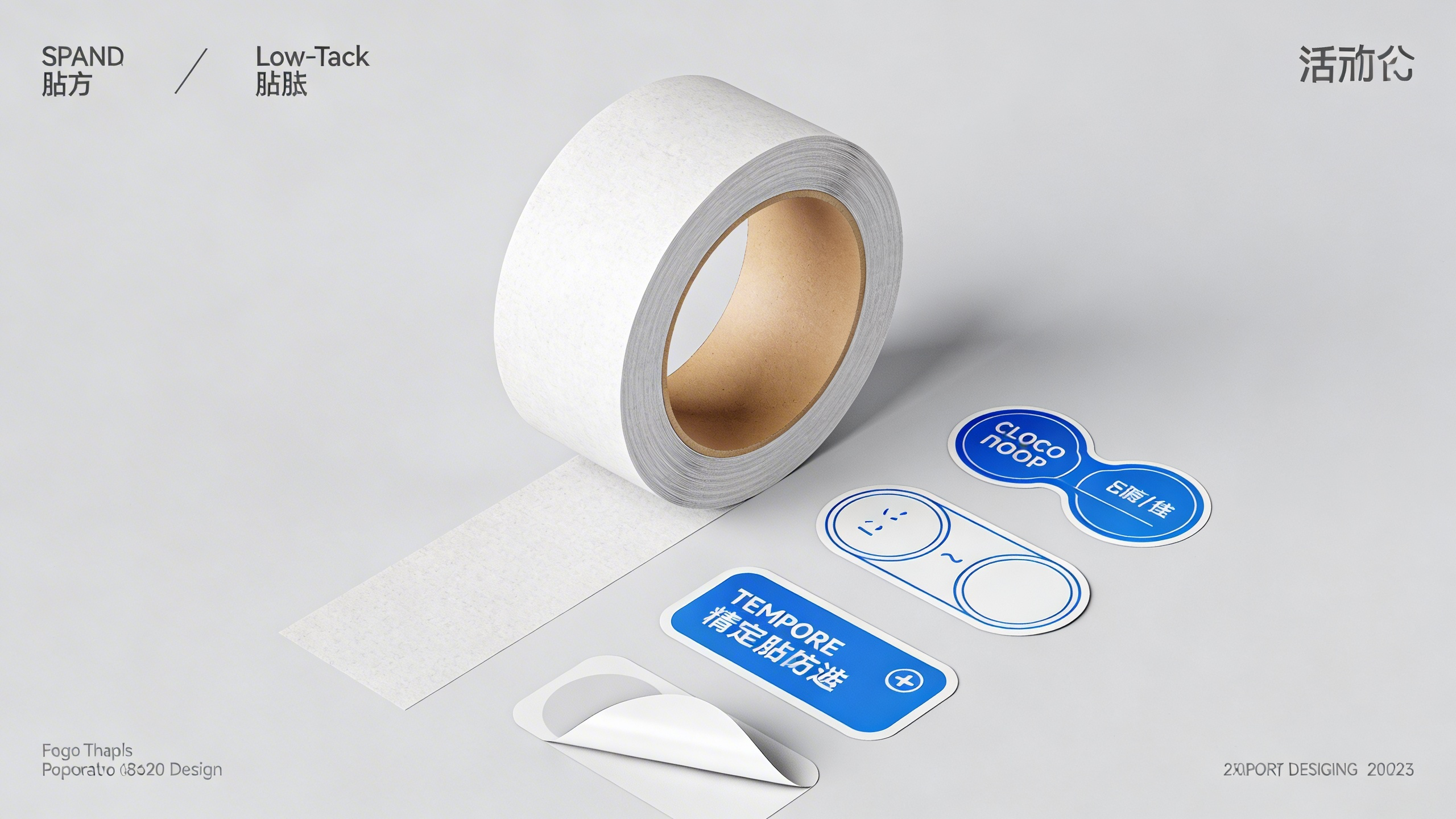
Low-tack adhesives redefine brand packaging decisions for short-term applications. These temporary labels provide enough initial tack for retail shelf stability while ensuring clean removal labels leave no sticky residue behind on your primary containers.
Brand managers heavily rely upon the best temporary label adhesives for ensuring fast campaign turnarounds. Utilizing low-tack promotional labels guarantees layout flexibility during scheduled retail promotions without destroying primary product packaging designs underneath.
Modern temporary label printing advances allow custom printed promotional labels to maintain vivid colors consistently. Using specialized low tack adhesive labels enhances promotional packaging upgrades while strictly protecting smooth container surfaces from surface damage.
The right temporary promotional labels empower marketers to adapt swiftly to changing market conditions. Executing temporary brand packaging decisions with removable low-tack labels keeps your primary branding intact while promoting targeted flash sales.
Selecting labels for promotions requires balancing adhesion strength with easy detachment entirely. Testing promotional label adhesives thoroughly ensures your best low-tack labels survive transit logistics while providing a pristine peeling experience for end consumers.
Defining what low-tack means requires understanding the precise balance of holding power. Removable low-tack labels utilize specialized temporary label stock engineered specifically to detach quickly without tearing apart or leaving adhesive residue behind.
These removable adhesive labels create a temporary bond strong enough for warehouse and transit conditions. You rely on low tack adhesive properties to ensure the labels for promotions survive handling but still strip off cleanly.
Custom printed removable stickers leverage chemical formulations entirely distinct from standard permanent types. Knowing how to choose temporary labels relies heavily on understanding this fine margin between staying put securely and peeling easily.
Grasping tack vs peel vs shear dictates your overall application success. Initial tack determines how quickly the low-tack adhesives grab the substrate upon first contact before firm physical pressure is fully applied by machinery.
Peel strength measures the specific kinetic force required to pull the temporary promotional labels away. Low-tack peel strength is intentionally formulated at a low index to facilitate flawless clean peel label printing results.
Shear strength involves resistance to sliding down vertical glossy surfaces over extended periods. Removable adhesive peel and shear balance prevents large vs small removable labels from failing under their own weight on retail shelves.
Evaluating low tack vs high tack highlights vastly different chemical polymer chains. High tack aggressively bites into textures while the best low-tack labels use softer micro-spheres that deliberately resist permanent structural anchoring.
The core debate of removable vs permanent adhesive comes down to structural integrity limits. Permanent solutions cure directly into surface pores while temporary labels float slightly above microscopic substrate imperfections for easy removal.
Temporary brand packaging decisions benefit heavily from these engineered micro-sphere structures. When wondering does low tack adhesive leave residue you will find they typically do not because the chemical spheres remain entirely intact.
Promotional packaging labels dominate the removable sector for agile marketing initiatives. Marketers leverage low-tack labels to run targeted retail promotions without altering the underlying core packaging identity or paying for entirely new product boxes.
You deploy temporary event labels during festivals or limited regional engagements. Event marketing labels allow venues to brand existing hardware and inventory dynamically without permanent defacement or expensive post-event scraping.
Custom labels designed strategically as promotional items generate significant consumer excitement. Shoppers appreciate custom printed removable stickers they can peel and securely reapply without struggling with sticky chemical remnants left on their items.
Planning seasonal skus requires highly agile retail inventory management practices. Utilizing specific label stock for seasonal products converts standard items into holiday specials using temporary promotional sku branding both efficiently and cost-effectively.
You deploy targeted temporary labels for events to capture fleeting market opportunities rapidly. Short term packaging labels effectively highlight aggressive discounts or exclusive contest codes that expire quickly without disrupting long term branding.
Finding the absolute best label for short term promotion involves matching the marketing campaign duration to the adhesive lifespan. Temporary sticker printing aligns perfectly with these rapid-turnaround strategies common in modern retail environments.
Understanding low tack surface compatibility dictates your core material choices early in the manufacturing process. Removable labels for glass bottles perform entirely differently than similar adhesives stuck directly to porous cardboard boxes.
Flawless clean removal happens effortlessly on high-surface-energy substrates in controlled environments. Low-tack adhesives adhere firmly to these dense materials but release flawlessly when consumers peel them back using a steady motion.
Evaluating your product packaging materials helps avoid premature peeling failure. Always test promotional label adhesives on the exact target surface prior to launching large-scale temporary brand packaging decisions to guarantee performance.
Implementing low-tack on glass provides superior adhesion without risking frustrating permanent bonding. Glass jars and bottles offer hyper-smooth surfaces ideal for rapid temporary bond generation that consumers can easily reverse at home.
Utilizing low-tack labels for plastic containers requires assessing the exact chemical polymer involved. Smooth plastics and glass both allow the adhesive micro-spheres to grip securely without dangerously embedding into the container material.
Identifying the right label finish for glass further enhances the final peel experience. Smooth container surfaces guarantee that consumers experience zero adhesive residue when discarding the promotional layer from their purchased items.
Deploying printed temporary labels introduces specific environmental vulnerabilities that require careful planning. Short-term applications often face highly unpredictable transit conditions that can violently undermine the temporary bond causing labels to fall off early.
Strategic brand packaging decisions must properly account for sudden temperature fluctuations. Unplanned exposure to extreme transport heat can accelerate temporary adhesive aging and fatally compromise the intended easy peel outcomes expected by customers.
Identifying potential points of failure early saves expensive marketing campaigns. Always test temporary label printing runs aggressively across simulated environmental stressors before committing to a full-scale regional distribution rollout.
Preventing label lift in refrigerators demands specialized waterproof barrier materials. Cold storage labels face constant environmental moisture which can aggressively degrade standard low-tack adhesives if not specified correctly during production.
Tackling adhesive lifting in humidity requires robust moisture-resistant paper facestocks or films. Moisture and condensation easily penetrate weak paper stocks and dissolve the temporary adhesive layer rapidly from the outside edges inward.
Operating effectively in chillers inherently introduces significant refrigeration label risks. Fridge and cooler labels must maintain enough holding tack to prevent curling or lifting despite low temperatures artificially stiffening the temporary adhesive layer.
Tracking specific temporary adhesive shelf life closely prevents permanent bonding accidents. Adhesive aging over time causes removable formulas to harden chemically and eventually act precisely like permanent labels ruining the promotional concept.
You must carefully monitor inventory rotation for any unused temporary labels. Old sticker stock experiences chemical changes where the low-tack peel strength gradually increases until expected clean removal becomes physically impossible.
Set strictly enforced expiration dates for all promotional items utilizing removable stock. Proper climate-controlled storage minimizes early temporary adhesive aging but cannot stop the eventual curing process entirely over several years.
Mastering early label finish decisions significantly elevates your overall marketing impact. The physical design of temporary label stock interacts directly with functional shelf performance and visual retail appeal.
Visual aesthetics play a surprisingly massive role in temporary promotional packaging upgrades. Selecting strategically between understated matte temporary labels and a highly reflective finish for promotions completely dictates consumer value perception.
Structural choices dictate how well the temporary promotional labels actually survive handling. Carefully balancing visual design impact with crucial low tack adhesive properties ensures both marketing beauty and vital supply chain functionality.
Understanding precisely how label size impacts hold completely prevents unwanted edge lifting. Label size and adhesive hold share a direct functional correlation regarding the total surface area contact made against the container.
Evaluating large vs small removable labels reveals entirely different material tension points. Large formats strategically distribute strong peel and shear forces across a significantly wider area preventing premature curling during transport.
Conversely small formats require inherently higher initial tack to survive friction successfully. Your temporary promotional sku branding must dynamically account for the severely limited surface contact available on tiny cosmetics or vials.
Selecting the exact right label finish directly influences product positioning strategies. Choosing the right finish dictates how consumers visually interact with the temporary promotional packaging labels in brightly lit store aisles.
You must carefully choose matte or glossy coatings based on specific retail lighting. The resulting finish you choose determines whether your temporary labels absorb surrounding light or aggressively reflect light under store fixtures.
Always consider exactly how a temporary finish affects the flexibility and stiffness of the applied material. An overly heavy gloss label can become too rigid causing the edges to gently pry away from curved plastic packaging.
Strategic finish selection for promotions maximizes overall product brand prestige. Creating a high-end look and feel demands specific paper textures that communicate premium value alongside the temporary price discount being offered.
Utilizing matte vs glossy labels creates vastly different shopper psychological triggers. Combining matte coating over high-quality matte paper delivers understated elegance and sophistication often preferred exclusively in luxury cosmetic brand packaging.
Applying a shiny finish prominently on glossy surfaces grabs immediate consumer attention. Strategically deployed glossy labels brilliantly minimize ugly fingerprint marks while successfully fighting off the intense glare of bright lighting arrangements.
Evaluating premium cosmetic label finishes physically reveals the persuasive power of layered textures. A tailored premium look temporary label using matte vs gloss effectively elevates value perception even for short-term retail discounts.
Knowing reliably which finish best suits the specific promotional campaign remains crucial. Recognize firmly that finish affects hold due to slight changes in material stiffness requiring careful testing of standard matte and gloss options.
Achieving highly consistent clean removal success demands rigorous manufacturing quality protocols. Ensuring your premium low-tack labels leave no sticky residue firmly requires verifying multiple production factors well before launching the marketing project.
Routinely audit your primary temporary label printing providers thoroughly. Confirm emphatically they utilize actual low tack adhesive labels rather than cheaper standard stock formulated with simply reduced traditional adhesive volumes.
Standardize your automated application process specifically for these labels for promotions. Highly controlled application environments completely prevent microscopic dust and ambient moisture from dangerously compromising the temporary bond before it stabilizes.
Always document your internal clean removal success through rigorous physical stress testing. Systematically apply the removable adhesive labels to identical product packaging and physically measure the peeling force required to remove them.
Verify rigorously that low-tack adhesives strip away entirely without requiring any chemical solvents. The absolute best temporary label adhesives pull cleanly directly from glass jars and bottles without fracturing into tiny frustrating pieces.
Confirm decisively your custom temporary promotional labels easily endure targeted simulated transit conditions. Successful removable low-tack labels must survive severe friction and wild temperature swings securely without transitioning into destructive permanent bonds.