
Contact Sales Now
Thank you! Your submission has been received!
Oops! Something went wrong while submitting the form.

Contact Sales Now
Thank you! Your submission has been received!
Oops! Something went wrong while submitting the form.

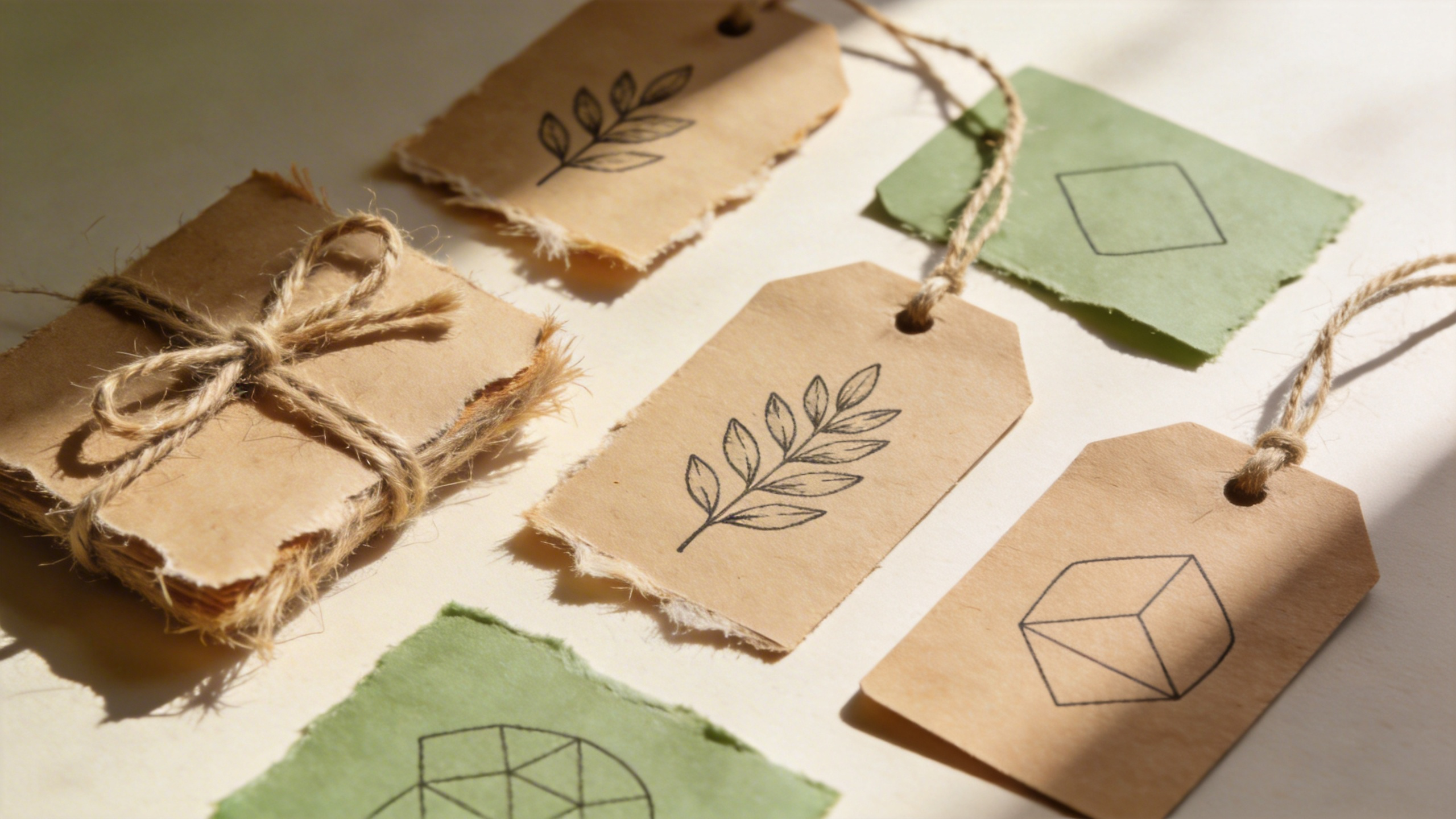
Brands seeking immediate shelf differentiation often successfully leverage kraft paper labels to disrupt visual noise and appeal to eco-conscious consumers. In a market saturated with high-gloss synthetics and minimalist white spaces, the brown, unbleached aesthetic offers a tactile interruption. This material choice signals a specific set of values before the consumer reads a single word of copy, showing a clear commitment to the environment.
Utilizing brown kraft labels is not merely a stylistic preference but a strategic branding maneuver for those who want to show their environmental impact is low. It aligns product presentation with specific consumer expectations regarding sustainability and artisanal quality. The substrate itself acts as a non-verbal communicator of the brand’s ethos, serving as a blank canvas for sustainable packaging.
Understanding the technical properties and design limitations of this natural stock is essential for professional execution and reducing your carbon footprint. While the rustic appeal is powerful, it requires precise application to ensure the final output meets quality standards. Correct implementation bridges the gap between a homemade look and a premium, natural brand identity that resonates with eco-conscious consumers.
The visual appeal and impact of kraft stock functions on a subconscious level. Consumers associate the brown, fibrous texture with raw materials and minimal processing. This association automatically triggers perceptions of environmental responsibility and handcrafted care regardless of the actual scale of production behind the item, making it a favorite for handmade goods.
This "authentic" signal cuts through marketing skepticism for brands that want to show real craftsmanship. Shoppers conditioned to ignore flashy advertising often pause for packaging that appears understated. By stripping away gloss and synthetic coatings, the brand projects vulnerability and honesty. This establishes an immediate rapport with demographics valuing transparency and joins the eco-friendly movement.
The unique character of kraft label printing lies in the visible wood pulp fibers. Unlike coated papers that provide a uniform canvas, kraft offers a heterogenous surface. These irregularities are not defects but characteristic features that enhance the tactile experience of the product and emphasize its renewable wood pulp origin.
The color tone of the specific kraft stock varies by supplier, ranging from light oatmeal to deep, corrugated cardboard brown. This variance requires brands to sample stocks physically as part of their design approach. The warmth of the paper affects how inks appear, effectively tinting every printed color with a brown overlay on the paper-based material.
Designers must account for this inherent warmth and how it affects the logo. The paper absorbs light rather than reflecting it, creating a muted, matte finish. This lack of glare makes the package feel softer and more approachable. It invites the consumer to reach out and touch the container, initiated by the visual promise of texture on the textured surface.
Selecting eco friendly paper labels made from recycled material allows new entrants to punch above their weight class. It allows small-batch producers to command premium pricing by signaling "artisan" status. The packaging implies that the resources went into the product ingredients rather than flashy, expensive plastic wrappers, which is a budget-friendly way to show sustainability.
For established brands, transitioning to natural packaging labels can signal a pivot toward sustainable branding. It is a tangible demonstration of a corporate commitment to reducing plastic usage and lowering the carbon footprint. However, consistency is key; the primary packaging, such as the bottle or box, must visually align with the natural label element and use of kraft paper.
This positioning strategy works best when the product narrative supports the rustic appearance. If the brand story involves organic ingredients, hand-forging, or heritage recipes, the label material validates the story. It creates a cohesive user experience where the exterior matches the interior quality through a thoughtful design approach.
Certain market verticals have practically codified the use of kraft branding for stickers and labels. In these sectors, the aesthetic is a shorthand for quality and natural origin. Deviating too far from this norm can sometimes confuse consumers who equate brown paper with specific product categories that use kraft paper stickers.
Success in these areas depends on execution and customization. Because so many competitors use brown kraft labels, the challenge shifts to typography and die-cutting. Uniqueness is achieved through shape and layout rather than the substrate itself. The material becomes the baseline standard for entry for anyone using kraft paper to stand out.
Food distributors utilize kraft paper labels for jars to suggest a direct link to the farm. For products like honey, jams, and small-batch sauces, the label evokes the imagery of a pantry shelf rather than a factory warehouse. It suggests preservation and traditional methods of handcraft.
Coffee roasters rely heavily on this substrate for their product labels. The unbleached paper complements the color of roasted beans and burlap sacks. Furthermore, the porous nature of kraft stock is functional for this industry. It allows roasters to hand-stamp roast dates or batch numbers without the ink smearing, a common issue with gloss laminates, providing a personal touch.
In the spice market, kraft suggests potency and purity. It mimics the look of old-world apothecaries where herbs were stored in simple paper labels. This historical visual cue builds trust in the potency of the product and shows a commitment to the environment. It separates gourmet spices from generic, mass-market alternatives using sustainable packaging.
The skincare industry has seen a massive shift toward natural packaging labels and kraft paper stickers. Brands selling organic soaps, beard oils, and essential oils use kraft to define their "toxin-free" status. The label tells the consumer that the product contains no harsh chemicals, mirroring the unbleached, chemical-free nature of the recycled material.
Candle manufacturers also favor this aesthetic for their stickers and labels. A kraft label on an amber glass jar creates a warm, vintage look that fits seamlessly into modern home decor. The matte finish and textured surface of the paper contrast beautifully with the glow of a lit candle, absorbing the light rather than creating distracting reflections.
Boutique retail items, from handmade goods jewelry tags to clothing packaging, use kraft to enhance the unboxing experience. It adds a layer of sensory detail and visual appeal. The rougher texture underscores the "handmade" value proposition, justifying a higher price point for bespoke items and highlighting the craftsmanship involved.
While aesthetically pleasing, kraft paper presents distinct technical challenges for stickers and labels. It acts differently than biaxially-oriented polypropylene (BOPP) or high-gloss papers. It is a natural, porous substrate that reacts to its environment, particularly regarding moisture and temperature fluctuations, which are important for eco-conscious consumers to understand.
Understanding kraft label durability implies realizing it is not an armored solution. It is organic material often derived from post-consumer recycled paper. Brands must assess the supply chain and end-use environment before committing to this stock. Failure to account for environmental factors leads to peeling, staining, and illegibility of the typography.
Standard kraft paper is highly absorbent. Without specific treatments, it acts like a sponge. When exposed to condensation—such as on a chilled beer bottle or a jar moved from fridge to counter—the paper will darken significantly as it takes on water, which can impact the natural look.
This "wet look" can ruin the branding effect for eco-friendly branding. Furthermore, as the fibers swell with moisture, the structural integrity of the label weakens. This can cause wrinkling or "bubbling" as the paper expands while the adhesive stays fixed. Once dried, the labels rarely return to their pristine flat state on the paper packaging.
Oil exposure creates similar issues, particularly for cosmetics or food products using brown kraft paper. A drop of essential oil or olive oil will create a permanent translucent grease spot on the label. For products rich in oils, an oil-resistant barrier or varnish is mandatory to maintain shelf appeal and ensure the commitment to the environment remains visible.
The rigidity of kraft stock defines its application suitability and versatility. Kraft paper is generally thicker and stiffer than synthetic films. This memory—the tendency of the paper to want to return to a flat shape—can cause issues on small diameter containers, leading to "flagging" at the corners of kraft stickers.
Permanent adhesives are typically required for kraft paper labels to overcome this stiffness. On tight curves, such as lip balm tubes, a high-tack adhesive is substantial. The adhesive must form a bond strong enough to counteract the paper's fiber tension and ensure the label material stays in place.
Surface texture of the container also dictates adhesive choice. Applying kraft to smooth glass is relatively straightforward. However, applying it to textured plastics or rough cardboard requires a rubber-based adhesive that flows into the surface irregularities. Standard acrylic adhesives may fail if the surface energy is too low for the kraft label.
Designing for brown kraft stock requires an inverted approach compared to white paper. Designers cannot rely on white space to create separation because the "white space" is actually brown. This fundamentally changes color theory application, typography, and contrast requirements for kraft paper stickers.
The lack of a white base dulls the vibrancy of applied inks. A bright red simply printed on brown kraft paper will appear as a muddy burgundy. A standard blue will shift toward a deep slate. Designers must anticipate these shifts using a specific design approach or the final print will lack visibility for the brand.
The most effective kraft designs utilize stark, high-contrast colors and bold typography. Black ink is the gold standard for this substrate. It cuts through the mid-tone of the paper effectively, ensuring that barcodes are scannable and regulatory text is readable on the brown kraft.
Dark greens, deep navies, and rich burgundies also work well, provided they are pigmented heavily for kraft paper labels. Designers should avoid pastels, yellows, and light grays entirely. These colors lack the opacity to cover the brown fibers and will vanish into the background stock, reducing the visual appeal.
If light colors are branding requirements, the printer must utilize a "white underprint" as part of the customization. This involves printing a layer of white ink first, curing it, and then printing the color on top. This technique restores vibrancy but adds complexity and cost to the production process of the kraft label.
The texture of the paper is a design element itself. Overcrowding the layout with heavy graphics or solid blocks of ink defeats the purpose of choosing kraft. The goal is to let the substrate show through, creating that coveted negative space that breathes on the textured surface.
Vector graphics with clean lines endure the printing process better on porous paper than complex raster images. Fine gradients often do not reproduce well on uncoated stocks due to dot gain—the tendency of ink to spread as it absorbs into the paper fibers of the kraft paper.
Typography should be bold and sans-serif for critical information. Serifs can get lost in the wood pulp texture if the point size is too small. Keeping the design minimal ensures that the rustic charm remains the hero of the packaging rather than battling with a busy graphic on the brown kraft paper.
Raw kraft paper is vulnerable, but finishing techniques can extend its lifespan for stickers and labels. These processes protect the ink and the paper fibers from abrasion and moisture. However, the wrong finish can artificialize the look, destroying the rustic appearance brands seek in their sustainable branding.
Finding the balance between protection and aesthetics is critical when using kraft paper. A high-gloss laminate on kraft paper labels looks contradictory and cheap. It creates a plastic reflection over a natural material, confusing the visual signal. Subtle protection is the professional standard for eco-friendly branding.
Matte lamination is the preferred method for waterproofing kraft. It adds a physical layer of plastic over the paper but maintains a non-reflective, dull, textured finish. This significantly increases durability against scuffing and moisture while preserving the visual "flatness" of the design on the paper labels.
For a more natural feel, a matte varnish is appropriate. This is a liquid coating applied like ink. It is less durable than lamination but creates a better tactile connection. It seals the ink to prevent smudging but leaves the paper texture largely accessible to the touch, which is vital for handmade goods.
Spot varnishing can be used strategically on stickers and labels. By adding a gloss varnish only over specific logo elements or text, brands create a subtle contrast against the matte paper. This catches the light and draws the eye without compromising the overall rustic vibe of the brown kraft.
Hot foil stamping works exceptionally well on kraft stock. The metallic sheen of gold, copper, or silver foil creates a striking juxtaposition against the raw, earthy background. This combination screams "rustic luxury" and is highly effective for premium beverage or boutique paper packaging.
Embossing or debossing adds a third dimension. Because kraft paper is fibrous and thick, it holds an impression well. Debossing pushes the design into the paper, enhancing the tactile experience and showing craftsmanship. This technique requires no ink, relying entirely on shadow and depth for eco-friendly branding.
Screen printing creates a raised ink effect that mimics embossing. Using high-opacity white screen printing ink is one of the distinct ways to get bright white text on brown paper without the transparency issues of digital printing. It feels premium and looks incredibly sharp for labels that can be used for high-end retail.
Professional buyers often have specific concerns regarding the lifecycle and limitations of these labels. Understanding these parameters helps in setting realistic expectations for the final product packaging and its eco-friendliness.
The paper face of a kraft label is inherently recyclable and compostable as it is made from wood pulp. However, the recycling viability depends entirely on the adhesive and the liner used. Standard adhesives can "gum up" recycling machinery, contaminating the pulp stream of the recycled material.
To market a product as fully eco-friendly, brands must source labels with certified compostable adhesives (often certified by standards like ASTM D6400). Without this specification, the label usually must be removed from the container before the container is recycled, or the recycling facility filters it out as waste to manage environmental impact.
While true waterproofing is difficult for porous paper, water resistance is achievable. As mentioned, a poly-laminate over the paper seals the face effectively. However, water can still seep in from the edges (wicking) where the die cut exposes the paper fibers of the kraft label.
For products that will sit in ice buckets or showers, kraft is generally not recommended purely from a performance standpoint. In these extreme cases, brands should look into "kraft-effect" synthetic labels. These are plastic materials printed with a high-resolution texture of kraft paper. They offer the rustic look with the durability of vinyl for paper packaging needs.