


Label Adhesives & Glues
Professional label adhesives for every surface and environment. Permanent, removable, freezer-grade, tamper-evident, and eco-friendly solutions.
ExploreWarehouse, pallet, courier and baggage labels built to stay scannable through abrasion, dust and moisture — on durable foil, polyethylene and weatherproof film.
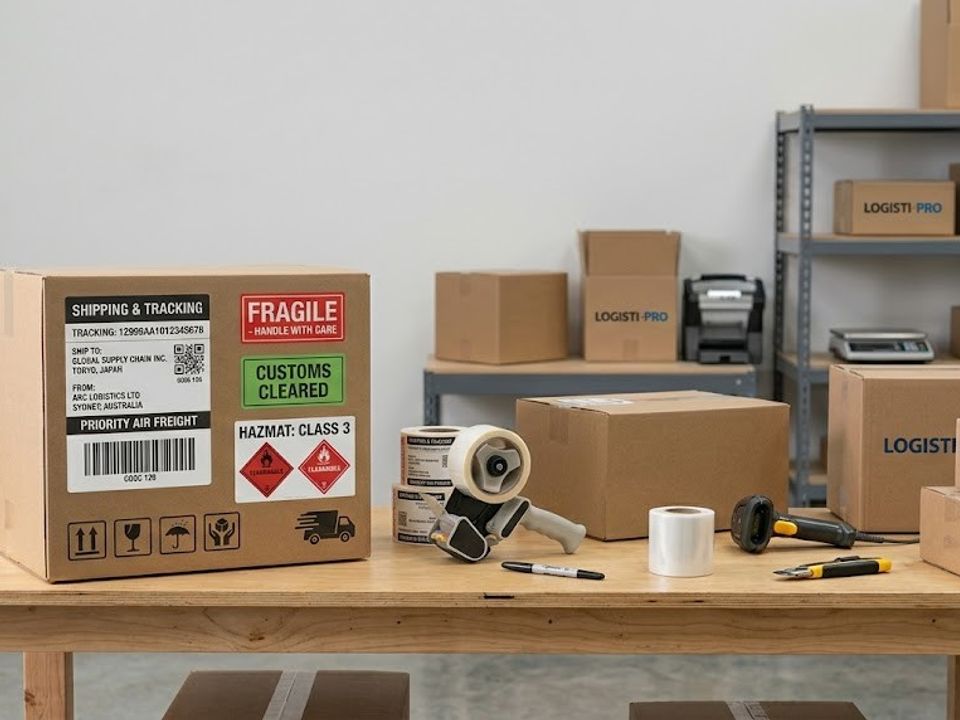
Warehouse labelling is not one job. Each of these zones reads a label differently, and the failure that matters is different in every one.
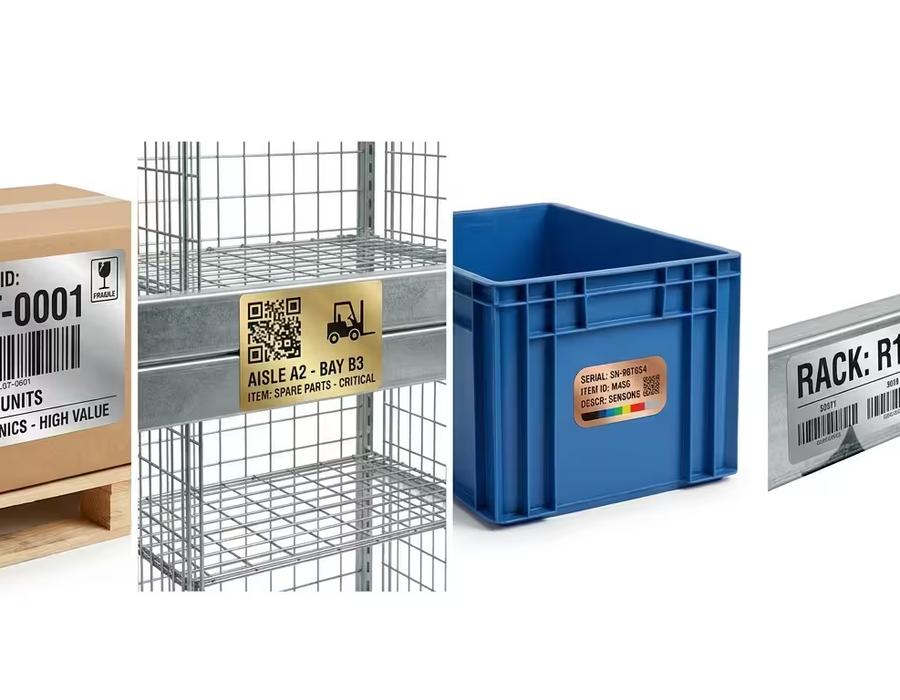
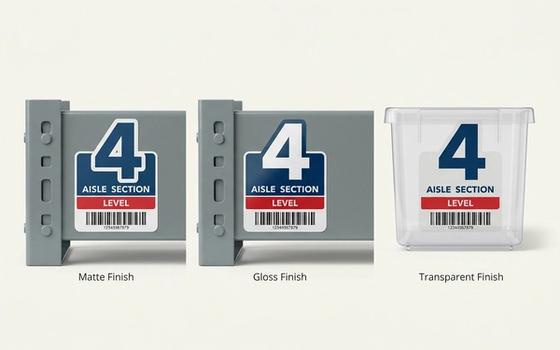
Fixed location codes on metal uprights and shelf edges, read on approach from the aisle and expected to stay put through years of trolley contact.
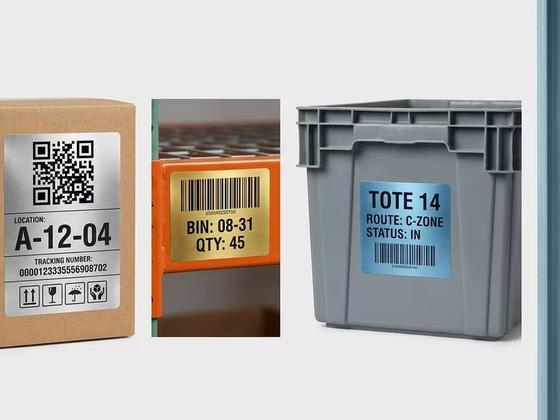
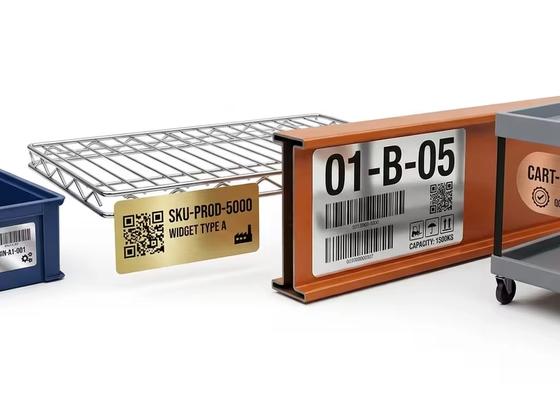
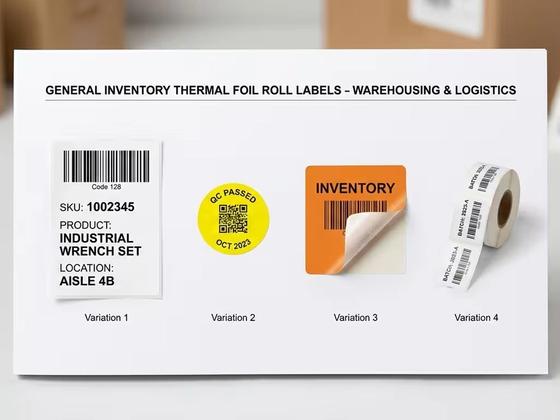
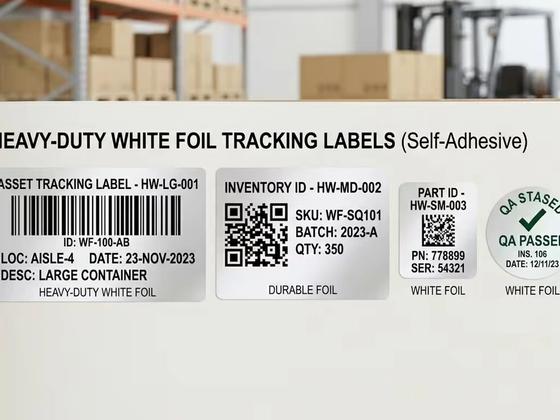
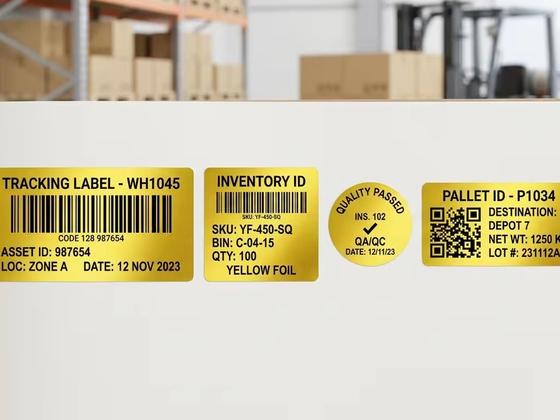
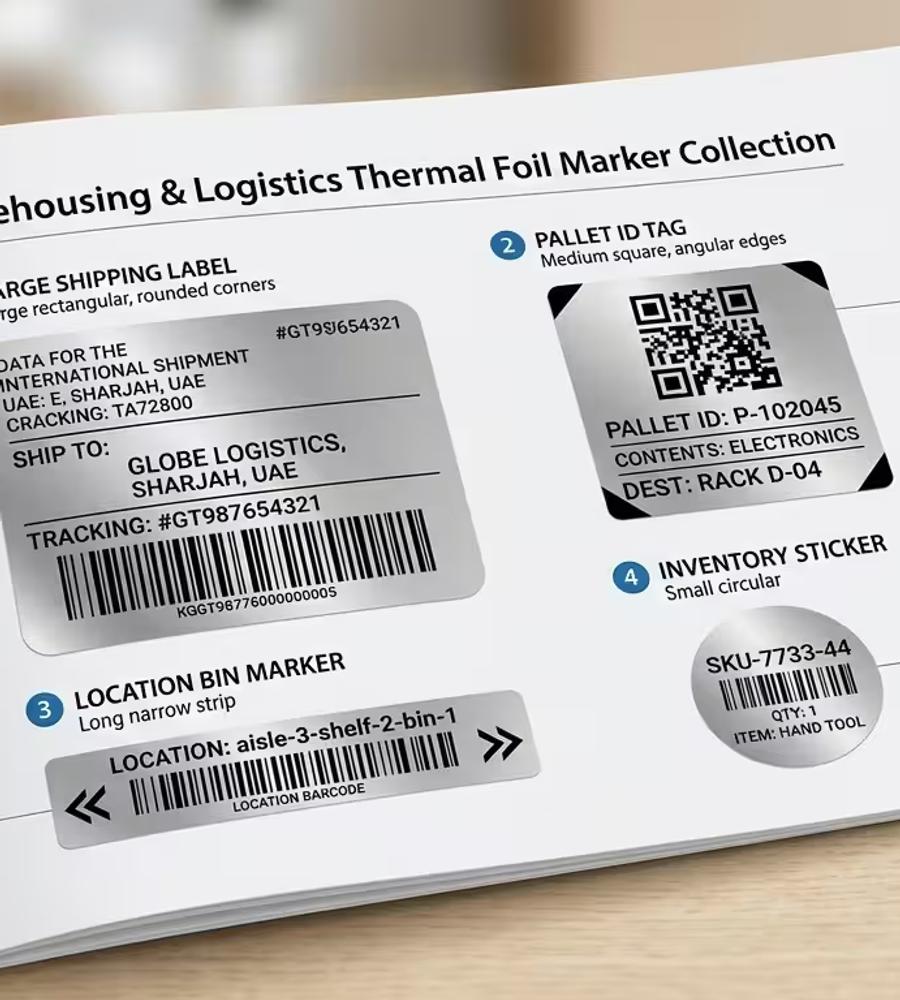
Holds a firm, flat face that resists the curl paper develops in a dry store room, and shrugs off the scuffing that turns a printed code grey.
Racking, plastic totes, corrugated board and painted steel each release a label differently, so the adhesive is chosen per surface.
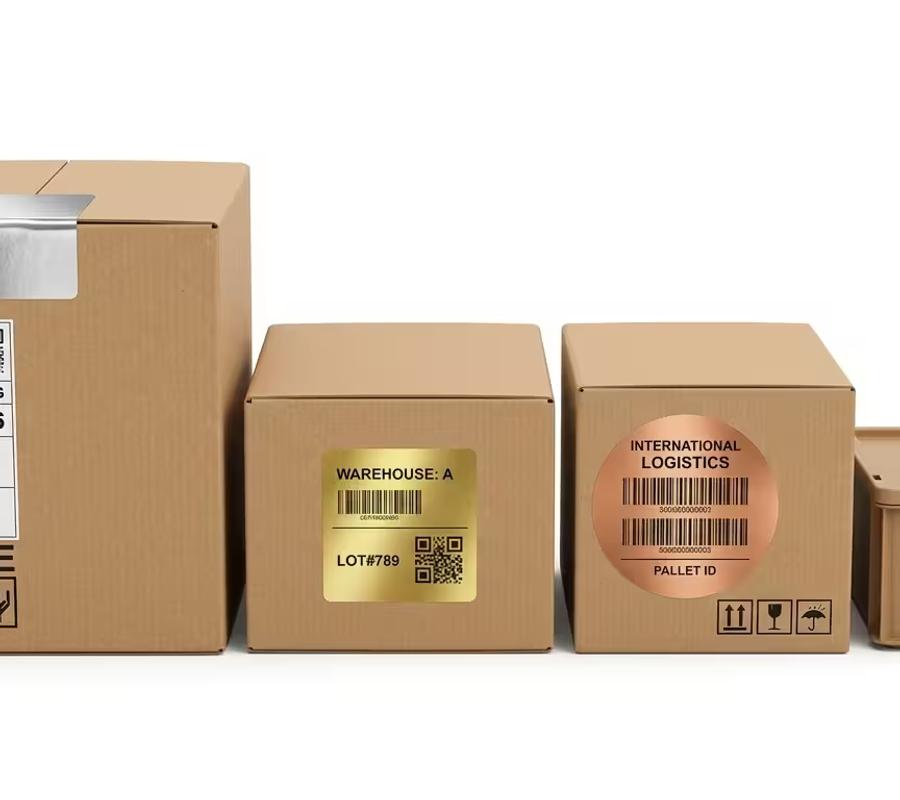
The standard grade for boxes, bins and metal shelving, where the bond has to keep holding long after anyone remembers applying it.
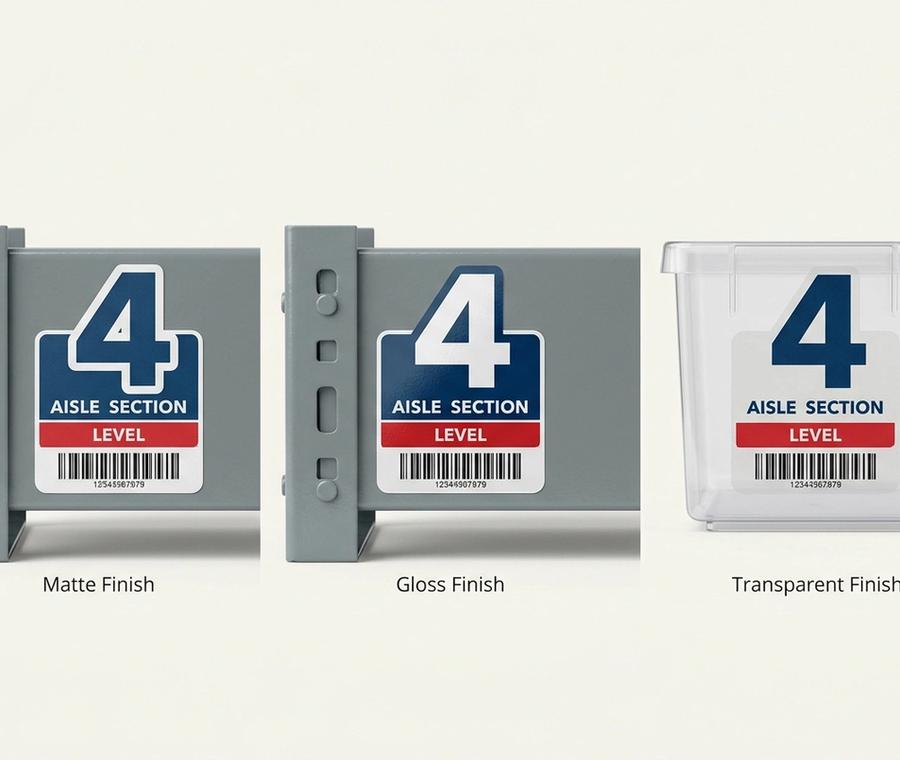
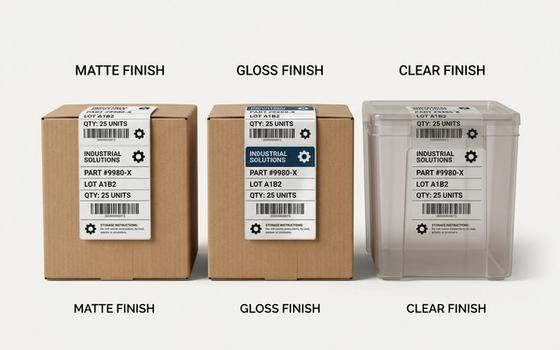
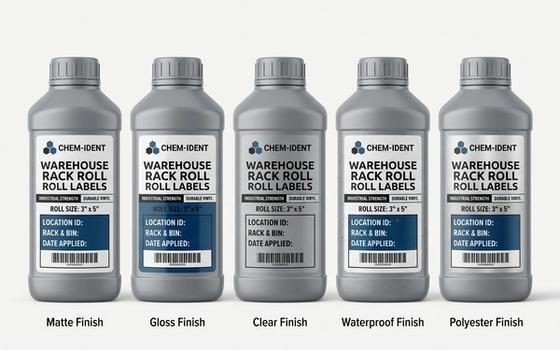
A finish that helps one reader hinders another, so the choice follows how and where the label is actually read.
Kills the glare that bounces a scanner back under high-bay lighting, which is why scan-critical labels are matte by default.
Used where a marker is read from a distance as wayfinding rather than scanned up close.
Added where hands, sleeves and passing stock rub the label all day, and print would otherwise wear away.
Colored faces and finishes group aisles and zones so a picker reads the area before reading the code.
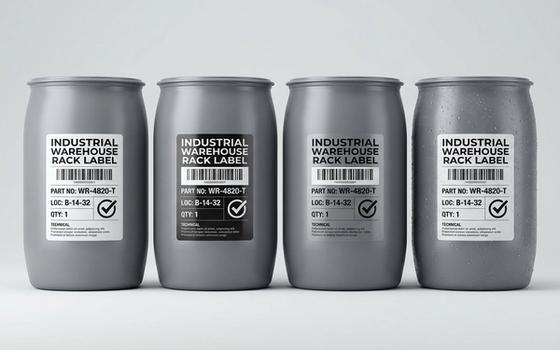
Most labels in this catalogue carry information that changes from one label to the next, which is a printing decision as much as a material one.
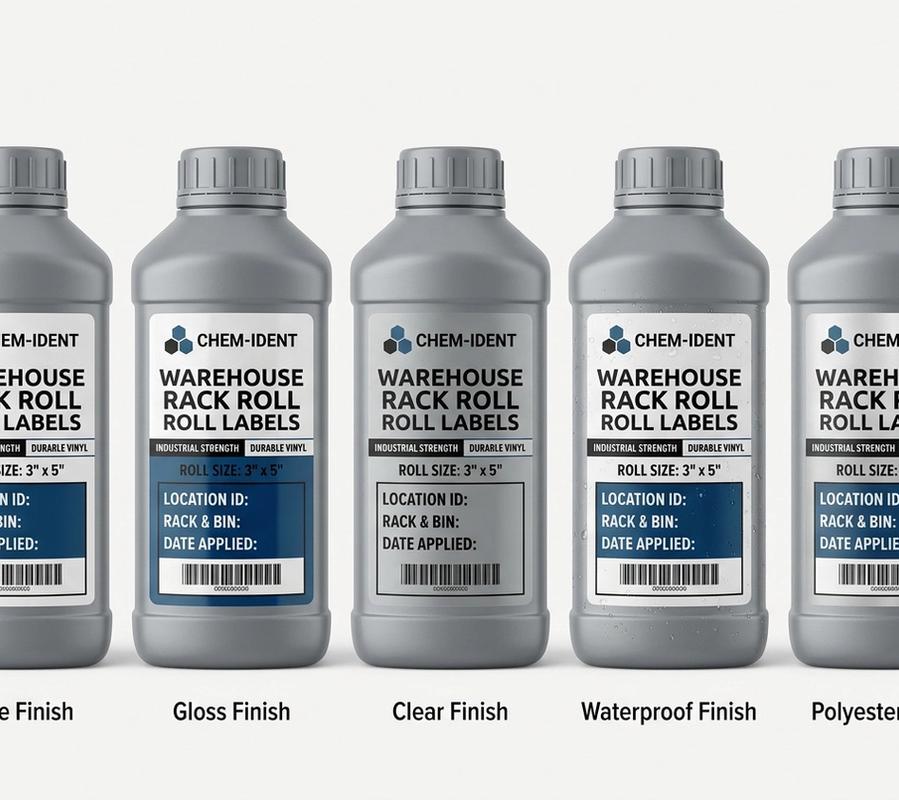
Running numbers across a roll so every pallet, tote or tag carries an identity that is unique.
Warehouse labels rarely fail dramatically. They fade, lift or stop scanning, and nobody notices until a count comes back wrong.
Repeated contact greys out a printed code long before the label itself comes off the surface.
Stock that sits still for months collects dust and rub, and is not checked until an audit needs it.
A damp carton softens and takes its label with it, so print smears and an edge starts to lift.
Storage aisles are read in worse light than anyone plans for, and a glossy face under high-bay lighting defeats the scanner.
It follows the surface and the dwell time. Durable foil is specified for dimensional stability and abrasion, white foil where barcode contrast matters most, polyethylene for rack labels and pallet tags that flex in daily use, and weatherproof film where the shipment finishes outdoors.
That is what the face and finish are chosen for. A white face keeps contrast high, a matte finish stops glare bouncing the scanner back under high-bay lighting, and a protective laminate takes the rubbing that would otherwise grey the printed code out.
Yes — most of this catalogue is variable data work. Sequential numbering, barcodes and QR codes, aisle and bin references, routing and destination data, part numbers and intake dates are all printed per label, by thermal transfer where the code has to last or direct thermal where a tag is printed and read the same day.
A permanent grade is the standard for boxes, bins and metal shelving. High-tack is specified for plastic totes, dusty surfaces and lanes where trolleys catch the label edge, a firmer grade for painted steel uprights, and a water-resistant permanent for cartons sealed in humid conditions.
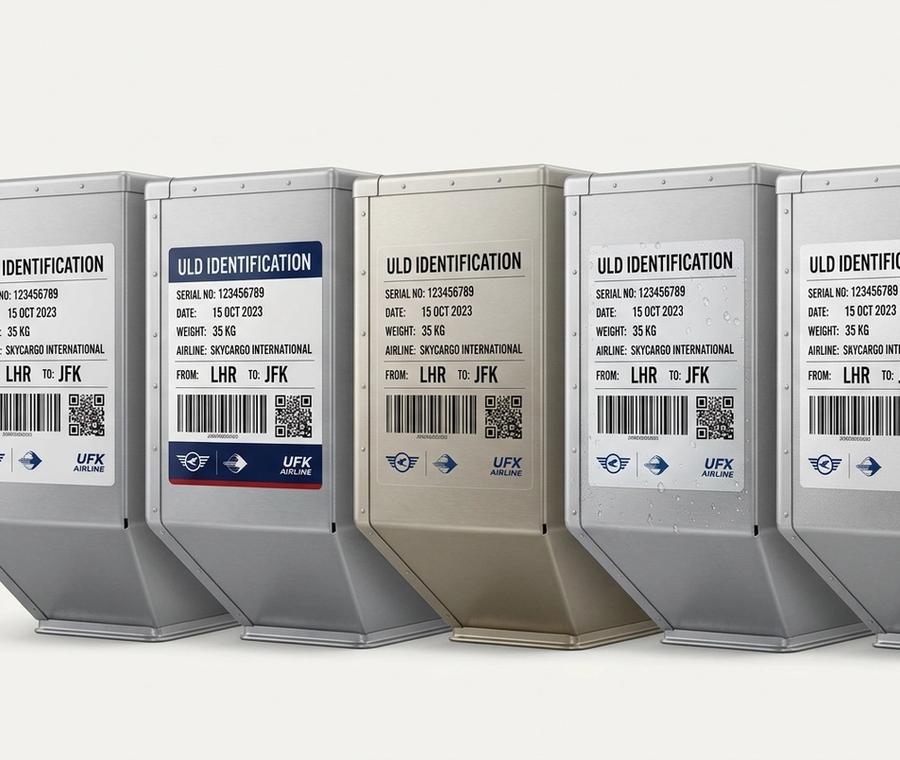
Yes. Staff, transit, transfer and valet baggage tags are produced as direct thermal, thermal transfer and variable data versions, and ULD identification labels cover airport check-in and baggage handling along with routing, transfer and destination identification.
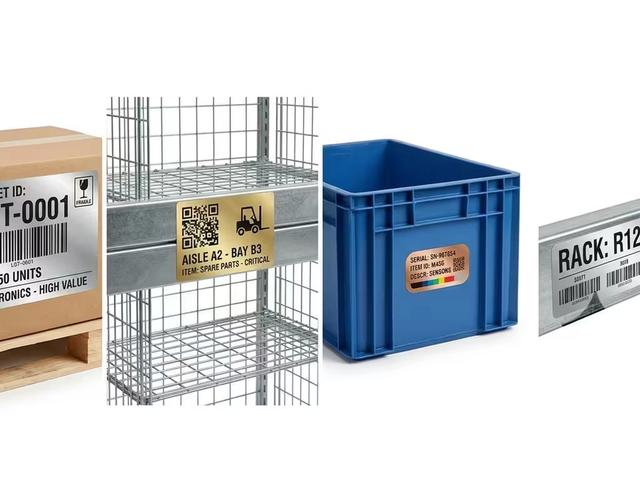 Durable Foil Product Storage IdentifiersView solution
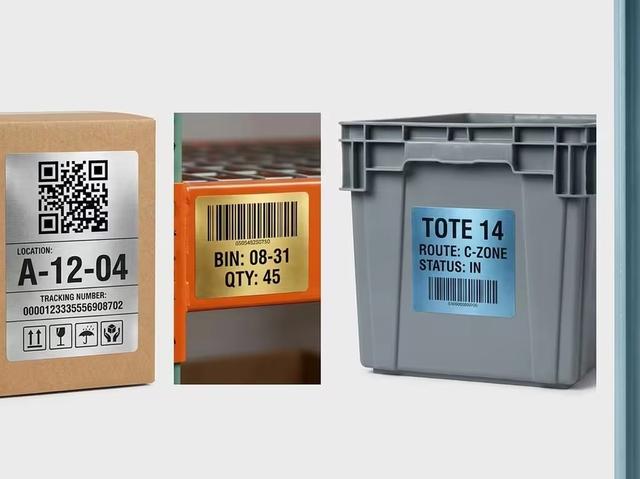 Foil Order Picking Warehouse MarkersView solution
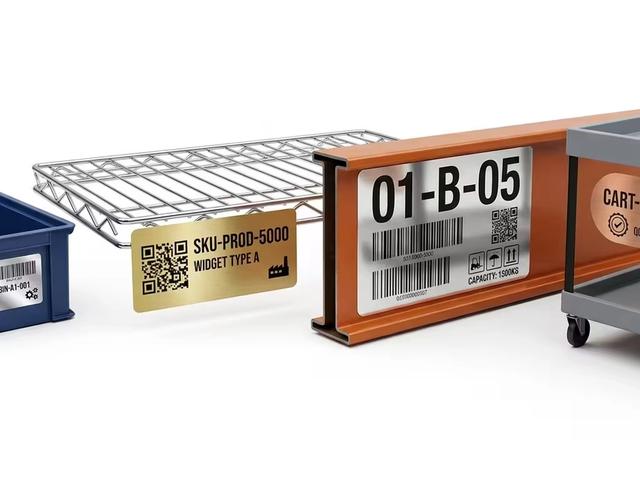 Foil Shelf Labels for Inventory ManagementView solution
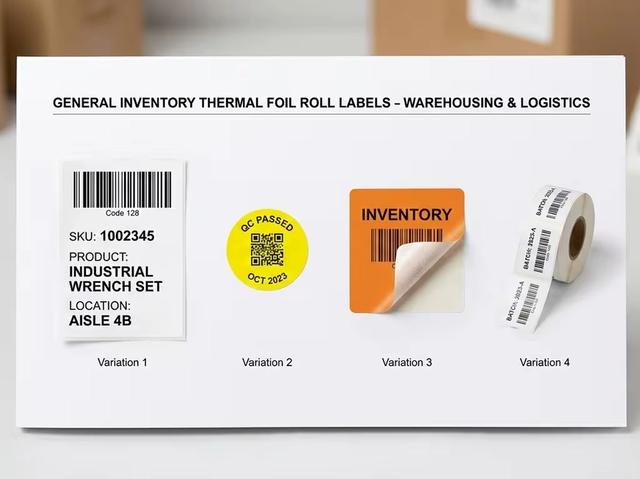 General Inventory Thermal Foil Roll LabelsView solution
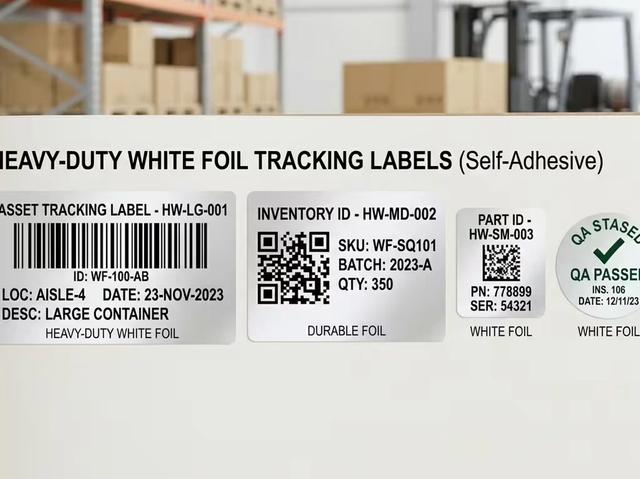 Heavy-Duty White Foil Tracking LabelsView solution
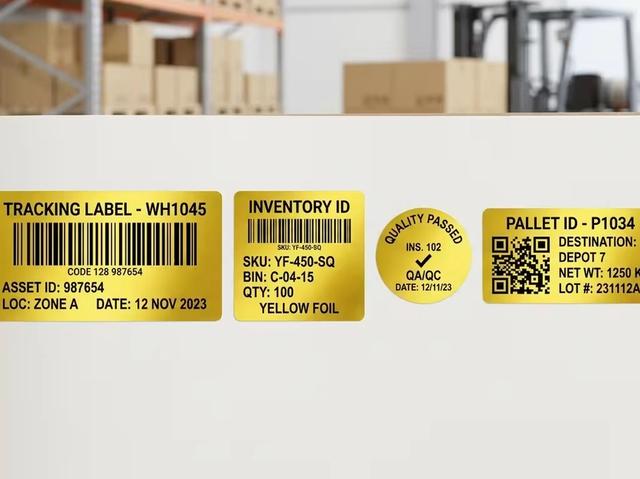 High-Visibility Yellow Foil Tracking LabelsView solution
 Logistics and Warehouse Thermal Foil MarkersView solution
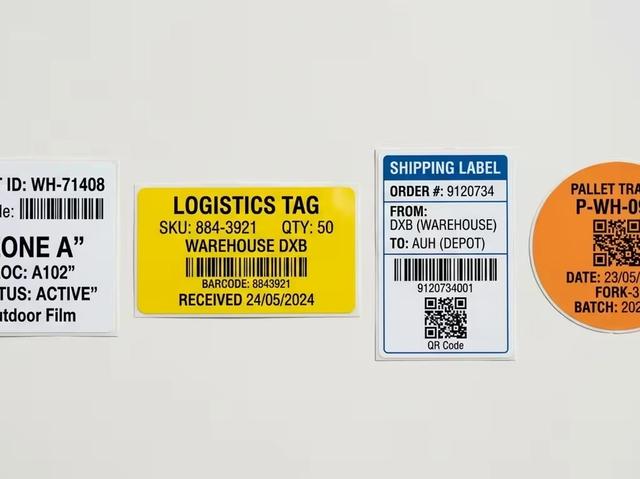 Moisture-Resistant Foil Carton LabelsView solutionOutdoor Weatherproof Film Tracking LabelsView solution
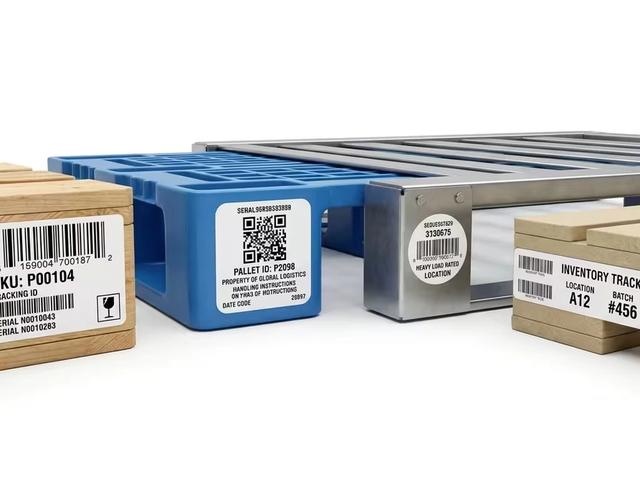 Polyethylene Barcode Tracking Labels for PalletsView solution
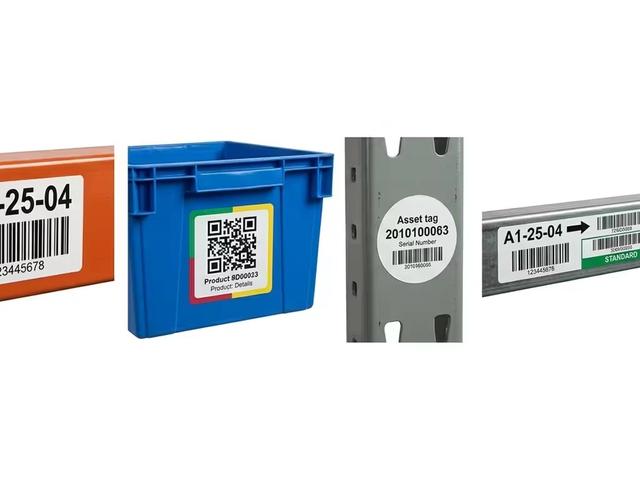 Polyethylene Warehouse Shelf Tracking LabelsView solution
 Resilient Polyethylene Logistics and Courier MarkersView solution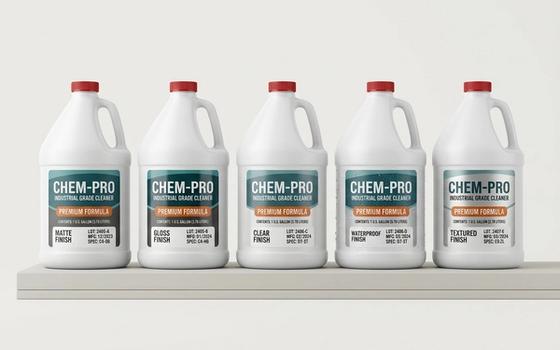
Tell us your label specs — type, size, material, quantity — and our sales team will reply with a detailed quote.
Continuous self-adhesive labels supplied on the roll for high-speed, automated application — the workhorse format for high-volume production lines.
Read moreDigitally printed labels carrying unique barcodes, QR codes, serial numbers or batch data — one print run, every label different.
Read moreSecurity substrates that fracture or leave a "void" message when removed, giving clear visual evidence if a pack or seal has been opened.
Read moreFolding-carton style packaging with reverse-tuck closures — premium printed boxes for retail-ready product presentation.
Read moreTechnical labels engineered for adhesive tubes, sealant cartridges & construction chemicals. High-tack adhesives for PE/PP surfaces. GHS compliant.
Read moreIndustrial-grade lubricant labels engineered for oil resistance, extreme temperatures (-40°C to +150°C), and harsh automotive environments. API compliant.
Read more