

Contact Sales Now
Thank you! Your submission has been received!
Oops! Something went wrong while submitting the form.

Contact Sales Now
Thank you! Your submission has been received!
Oops! Something went wrong while submitting the form.

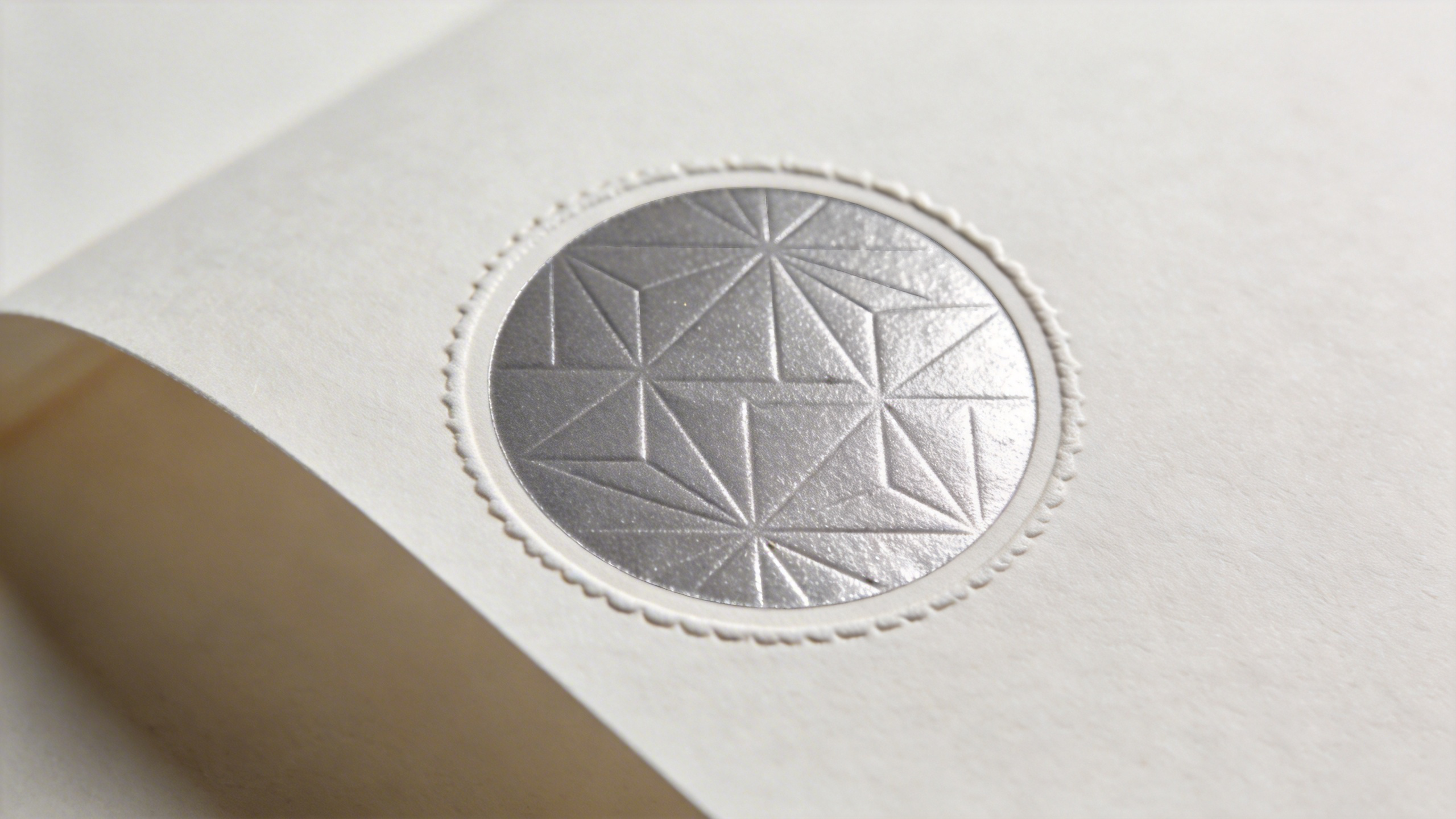
Spot UV acts as a transformative finishing technique that elevates standard packaging into a tactile experience. It involves applying a clear, glossy coating to specific areas of a label rather than covering the entire surface. This process relies on improper alignment between light and texture to catch the consumer's eye.
The clear polymer resin used in this process cures instantly when exposed to ultraviolet light. Once hardened, the resin creates a durable, shiny layer that contrasts sharply with the underlying substrate. This difference in finish distinguishes high-end product lines from standard tier merchandise on crowded retail shelves.
Brands utilize spot UV label printing to direct consumer attention strategically. By manipulating light reflection, designers essentially guide the viewer’s gaze to the most critical elements of a brand story. It is a precise tool for visual hierarchy, not merely a decorative add-on.
Understanding the mechanical application is vital for successful execution. Whether using traditional flexographic plates or modern digital inkjet systems like Scodix, the objective remains consistency. The varnish must sit perfectly atop the printed artwork to avoid a blurry or amateurish appearance.
At its core, spot ultraviolet coating is a post-printing process. It typically occurs after the CMYK inks are laid down and dried. A specialized screen or plate applies the clear liquid coating only to the coordinates defined by a vector mask in the design file.
Visual impact depends heavily on the thickness of this application. Standard spot UV adds a high-gloss sheen that sits flush with the label surface. Raised spot UV labels, however, apply a thicker layer of varnish to create a three-dimensional effect that consumers can feel.
The curing process creates a chemically resistant barrier. While the primary goal is aesthetic, the cured UV coating also offers localized protection against abrasion and moisture. This dual function validates the additional cost for products exposed to frequent handling.
Integration with other finishes requires careful planning. Foil stamping often accompanies spot gloss, but the order of operations matters. Usually, foils are applied first, followed by the polymer coating to lock in the metallic shine and add depth.
Flood varnish serves a utilitarian purpose. It coats the distinct perimeter of the label from edge to edge, providing a uniform shield against scuffs, water, and oil. It is a protective measure rather than a design feature, typically resulting in a consistent all-over gloss or matte finish.
Spot application functions as a design element. It selects specific coordinates to highlight while leaving the surrounding areas untouched. This selectivity creates disparate textures on a single 2D plane, generating visual interest that a flood coat cannot achieve.
The cost implications differ significantly between the two. Flood coating is often part of the standard printing run and requires less precision in registration. Selective application requires creation of a separate plate or screen, increasing setup times and production costs.
Visual hierarchy is the main differentiator. A flood coat flattens the design by unifying the reflection. A selective varnish breaks up the reflection, ensuring that light hits the logo or graphic differently than the background, creating a pop-out effect.
Premium positioning relies on sensory engagement. Shoppers perceive products with multi-sensory packaging as having higher value. When a customer picks up a bottle and feels a texture change, it signals attention to detail and quality manufacturing.
The gloss level of UV coatings is significantly higher than standard aqueous coatings. This high-gloss finish reflects light sharply, mimicking the appearance of glass or wet paint. This wet look denotes freshness and luxury in categories like cosmetics, craft beer, and supplements.
Subtlety often drives the premium feel. Rather than shouting with bright colors, a brand can use clear varnish to whisper quality. A black-on-black design, where the logo is visible only through gloss contrast, suggests exclusivity and sophistication.
The psychological impact of weight and texture cannot be overstated. Adding physical dimension to a label makes the product feel more substantial physically. This tactile feedback loop reinforces the purchasing decision before the consumer even reads the ingredients.
Matte lamination is the mandatory partner of effective spot gloss. Without a dull, non-reflective background, the glossy highlights will not stand out. The effectiveness of the embellishment is defined entirely by the difference in refractive index between the base and the highlight.
Soft-touch laminates amplify this contrast further. These "velvet" feel laminates absorb light, providing a deep, dead-matte background. When a high-gloss UV is applied over this, the gap between the rubbery texture of the laminate and the slick feel of the varnish is extreme.
High build varnish takes the contrast into the vertical dimension. By layering the polymer to heights of 50 microns or more, printers create a braille-like effect. This embossed sensation invites the customer to run their fingers over the packaging repeatedly.
Lighting conditions in retail environments favor high-contrast finishes. Under bright overhead LEDs, the matte elements remain legible and glare-free. Simultaneously, the spot UV elements catch the light, creating dynamic sparkles as the customer moves past the shelf.
Restraint is the hallmark of effective embellishment. Coating 80 percent of the label in spot gloss defeats the purpose of the technique. The goal is to create focal points that guide the eye, not to overwhelm the viewer with a sheet of plastic.
Composition determines where the varnish should go. It acts as a highlighter pen for the label design. Designers must decide what single element is the most important for the customer to notice first and apply the effect there.
Structural flow is also considered. Designers often use varnish lines to lead the eye from the logo down to the flavor variation or scent profile. This subtle directional cueing improves legible navigation of the packaging.
Consider the refraction angles on curved containers. When a label wraps around a bottle, the light hits it differently than on a flat box. Strategic placement accounts for the curvature, ensuring the gloss catches the light at the center of the facing panel.
The brand mark is the most common candidate for UV embellishment. Glossing the logo separates it from the packaging artwork, simulating the look of a custom badge or sticker. It reinforces brand recognition by making the identity the most physically distinct part of the label.
Repeating patterns benefit immensely from "blind" spot UV. This technique involves applying the varnish over a solid color background without any printed ink underneath it. The pattern acts as a ghost image, appearing and disappearing as the bottle is rotated.
Icons that denote certifications or key features get a boost from gloss. For example, a "Made in USA" icon or an organic leaf symbol becomes a certification seal when given a raised, glossy texture. It adds a level of official authority to the graphic.
Texture simulation is another advanced use. A water ripple pattern over a blue background can be glossed to look like actual liquid. Similarly, a pebble grain pattern over a leather graphic can make the paper label feel like a different material entirely.
Differentiation within a product line relies on the variant name. If a brand sells five types of shampoo, the customer needs to find "Moisturizing" or "Volumizing" quickly. Spot UV on the variant name separates it from the master brand logo.
Typography hierarchy is reinforced through texture. While the brand logo might get a high-build raised varnish, the product descriptor might receive a flat spot gloss. This tactile hierarchy communicates relative importance through touch.
Legibility on dark backgrounds is improved. Sometimes, white text on a dark matte background can look flat. Adding a precise layer of clear gloss over the text sharpens the edges and increases the perceived blackness of the surrounding area, making the white pop.
Shelf appeal relies on the product name catching distinct reflections. As a customer walks down an aisle, the viewing angle changes constantly. A glossed product name will flash at them, triggering peripheral vision engagement that static matte ink cannot achieve.
The success of spot UV label printing happens in the file preparation stage. It is not an automated filter; it requires the creation of a specific spot color layer within the design software. This layer must be set to overprint to ensure it doesn't knock out the artwork beneath it.
Vector paths are non-negotiable for professional results. Raster images or JPEGs often have pixelated edges that result in jagged varnish lines. Crisp, mathematical vector curves ensure the liquid resin flows exactly to the intended edge without bleeding.
Communication with the print provider is essential regarding stackability. Labels with heavy raised varnish on rolls can sometimes telescope or stick together if wound too tightly. Designers need to know the roll direction and tension capabilities of the applicator.
Substrate compatibility must be verified. Certain uncoated papers absorb the UV fluid, effectively making the spot varnish disappear. Using a non-absorbent synthetic stock like BOPP or applying a primer layer is usually necessary for the effect to work.
Perfect registration is a theoretical ideal, not a mechanical reality. In high-speed label conversion, the paper web moves, and the print plates shift slightly. This creates a margin of error known as "registration shift," typically ranging from 0.5mm to 1mm depending on the press.
Designs must account for this inevitable shift. If the UV mask is the exact same size as the printed text, a slight shift will result in "ghosting." This looks like a blurry halo where the varnish reveals the white paper or matte laminate underneath the ink.
Choking the mask is the standard industry solution. This involves shrinking the spot UV vector shape by a fraction of a point relative to the printed artwork. This ensures that even if the gloss shifts slightly, it still lands entirely within the boundaries of the ink.
Avoid applying spot UV to thin knock-out text. If you have white text on a black background and try to gloss the white text, a registration error will result in gloss overlapping the black ink. This creates a muddy, unreadable edge that looks like a printing mistake.
Liquid polymer has physical limitations regarding how fine a line it can hold. If a line is too thin, the UV fluid may not adhere to the substrate, or the screen mesh may not allow the fluid to pass through. This results in broken or missing lines.
The capillary action of the fluid can cause issues with small negative spaces. In typography, the centers of letters like "a," "e," and "o" are called counters. If the font is too small, the varnish will flow into these counters, filling them up and creating a solid glossy blob.
Standard industry recommendations suggest a minimum line weight of 0.5 points to 1 point. For raised spot UV labels, this requirement is often higher because the thicker fluid is more prone to spreading. Bold sans-serif fonts generally accept varnish better than delicate serifs.
Large solid areas present the opposite problem. Depending on the curing lamp intensity, large glossy rectangles can sometimes display "pinholing" or uneven textures. It is often better to use a pattern or texture within large areas to help the varnish level out evenly.
Ignoring the bleed area is a frequent amateur mistake. Varnish should generally not extend to the cut line of the label unless absolutely necessary. When the die cuts through a thick layer of cured resin, it can cause cracking or chipping at the edge.
Placing varnish over information that needs to be imprintable is a logistical failure. Many product labels require a lot number or expiration date to be thermal-printed later. Thermal transfer ribbons and clean inkjet codes will not adhere to sleek UV coatings.
Forgetting the effect of color shift sets clients up for disappointment. Applying a thick layer of clear plastic over a color can slightly alter its appearance, usually making it appear darker or more saturated. Designers must anticipate this tonal shift in the proofing stage.
Thinking solely in two dimensions leads to stacking issues. If a label has a heavy build of varnish on only one side, the roll will wind unevenly, creating a cone shape. This "coning" can warp the labels and make them unusable in automatic application machines.
Clutter reduces the perceived value of the product. When too many elements are vying for attention via gloss, foil, emboss, and vibrant color, the eye has nowhere to rest. The label becomes visual static rather than a structured composition.
The "Christmas Tree Effect" occurs when designers try to use every finishing option available. Highlighting the logo, the subhead, the pattern, and the border simultaneously dilutes the impact of all of them. Selective varnishing derives its power from what creates the selection.
Fingerprints are the enemy of unsightly gloss blocks. Large, solid areas of black gloss are magnets for oils from human hands. Once handled, these areas look greasy and dirty on the shelf. Using patterns or limiting the surface area mitigates this issue.
Folding lines and corners should remain free of thick varnish. If a label wraps around a sharp corner of a box or square bottle, the rigid UV coating is likely to crack. Keeping the embellishment on the flat faces maintains the integrity of the finish.
Quality assurance begins before the file is sent to the printer. A rigorous check ensures that the expensive tooling or digital setup fees are not wasted on a file that will fail on the press. This review must cover both aesthetic and technical specifications.
Verify that the UV layer is a Custom Spot Color within the swatch palette. It is usually named "Spot UV" or "Varnish" and colored magenta or cyan for visibility on screen. It must not be part of the CMYK separation plates.
Check the alignment of the UV layer against the dieline. Ensure the varnish is pulled back at least 1/16th of an inch (1.5mm) from the cut edge to prevent cracking. Also, verify it is clear of the "glue lap" area if the label overlaps itself.
Confirm the opacity settings. The spot color layer should be set to "Overprint Stroke" and "Overprint Fill" in Illustrator or InDesign. If this is not checked, the RIP software might cut a hole in the artwork below the varnish, leaving white paper underneath.
Review the base material selection one last time. Gloss varnish on gloss paper is invisible and a waste of budget. The specification must call for a matte lamination or a matte varnish flood to be applied first creates the necessary canvas.
Consider the tactile experience of the unvarnished areas. The areas not covered in gloss are just as important as those that are. Soft-touch or grit laminates can provide a sensory counterpoint that makes the smooth spot UV feel even smoother by comparison.
Double-check the contrast ratios on screen. While a screen cannot render texture, toggling the visibility of the UV layer helps visualize the distribution of light. Ensure the balance favors the matte background to keep the gloss feeling special.
Request a hard proof if the budget allows. Digital proofs cannot show the interplay of light and texture. For high-stakes print runs, paying for a press proof or a material sample of the specific matte/gloss combination is the only way to guarantee the intended premium effect.