On this page
- Polypropylene (PP) Labels: Best Use Cases
- Polypropylene Label Guide: Everything You Need to Know About Waterproof BOPP Label and Advantages of Polypropylene
- Understanding BOPP Label Material: Advantages of Polypropylene and How PP Labels Work Best
- Flexibility and Moisture Resistance: Why Polypropylene Labels are Ideal for Products
- Where to Use Polypropylene Label Solutions: Choose the Right Polypropylene for Product Packaging
- Personal Care and Household: Waterproof PP Labels and Benefits of Polypropylene Labels
- Branding on Squeezable Containers: Custom Polypropylene Labels for Cosmetic and Food and Beverage Use
- Why Choose Polypropylene Labels: Advantages of Polypropylene Over Paper Label Options
- Imperviousness to Liquids: Using BOPP to Ensure Your Labels Remain Intact and Legible
- Cost Efficiency: Why High-Quality Polypropylene Labels Stand Out in Product Labeling
- When to Choose the Right Alternative: Limitations of the Polypropylene Label in Challenging Conditions
- Thermal Stability: Choose Polypropylene Labels Wisely for Beverage and Thermal Transfer Needs
- Surface Hardness: Labels Perform Best When Using Polypropylene Film Properly
- Optimizing Print Quality: BOPP Label Finish Options like Gloss and Matte
- Visual Impact: Labels Make an Eye-Catching Shelf Appeal with White BOPP and Clear Labels
- Lamination Necessity: Custom Labels and Benefits of Polypropylene Labels for Durability
- Execution Guide: Choose the Right Polypropylene Labels for Your Brand
- Environmental Stress: PP Labels for Jar and Shipping Labels Applications
Polypropylene (PP) Labels: Best Use Cases
Polypropylene Label Guide: Everything You Need to Know About Waterproof BOPP Label and Advantages of Polypropylene
Polypropylene labels represent the industry standard for rigid and semi-squeezable packaging solutions. Your brand should choose this thermoplastic polymer because pp labels offer a balance of durability and operational efficiency. It serves as the workhorse for fast-moving consumer goods that require waterproof properties and shelf stability without the high cost of polyester.
Procurement teams and packaging engineers favor bopp film for its versatility across varying temperatures and moisture levels in product packaging. Unlike standard paper substrates, pp labels offer dimensional stability that resists environmental stress. This guide explores what oriented polypropylene film can do for your specific application to ensure you select the correct stock.
Understanding BOPP Label Material: Advantages of Polypropylene and How PP Labels Work Best
Polypropylene is a thermoplastic addition polymer made from the combination of propylene monomers. In the context of product labeling, it is frequently utilized as Biaxially Oriented Polypropylene (BOPP). This orientation process involves stretching the oriented polypropylene film in two directions, which significantly increases its strength and clarity compared to non-oriented films.
The manufacturing process results in a substrate that maintains high fatigue resistance while being a durable type of plastic. This creates a label stock that withstands automated application lines where tension is applied to pressure sensitive labels. Converters prefer pp labels for their ease of die-cutting and stripping, leading to less waste during the production of self-adhesive labels.
While vinyl was once the dominant choice for plastic labeling, polypropylene film has largely displaced it due to environmental considerations and cost structures. BOPP film does not contain chlorine, making it a more eco-friendly option than PVC while retaining the requisite robustness for uv exposure in industrial and retail environments.
Flexibility and Moisture Resistance: Why Polypropylene Labels are Ideal for Products
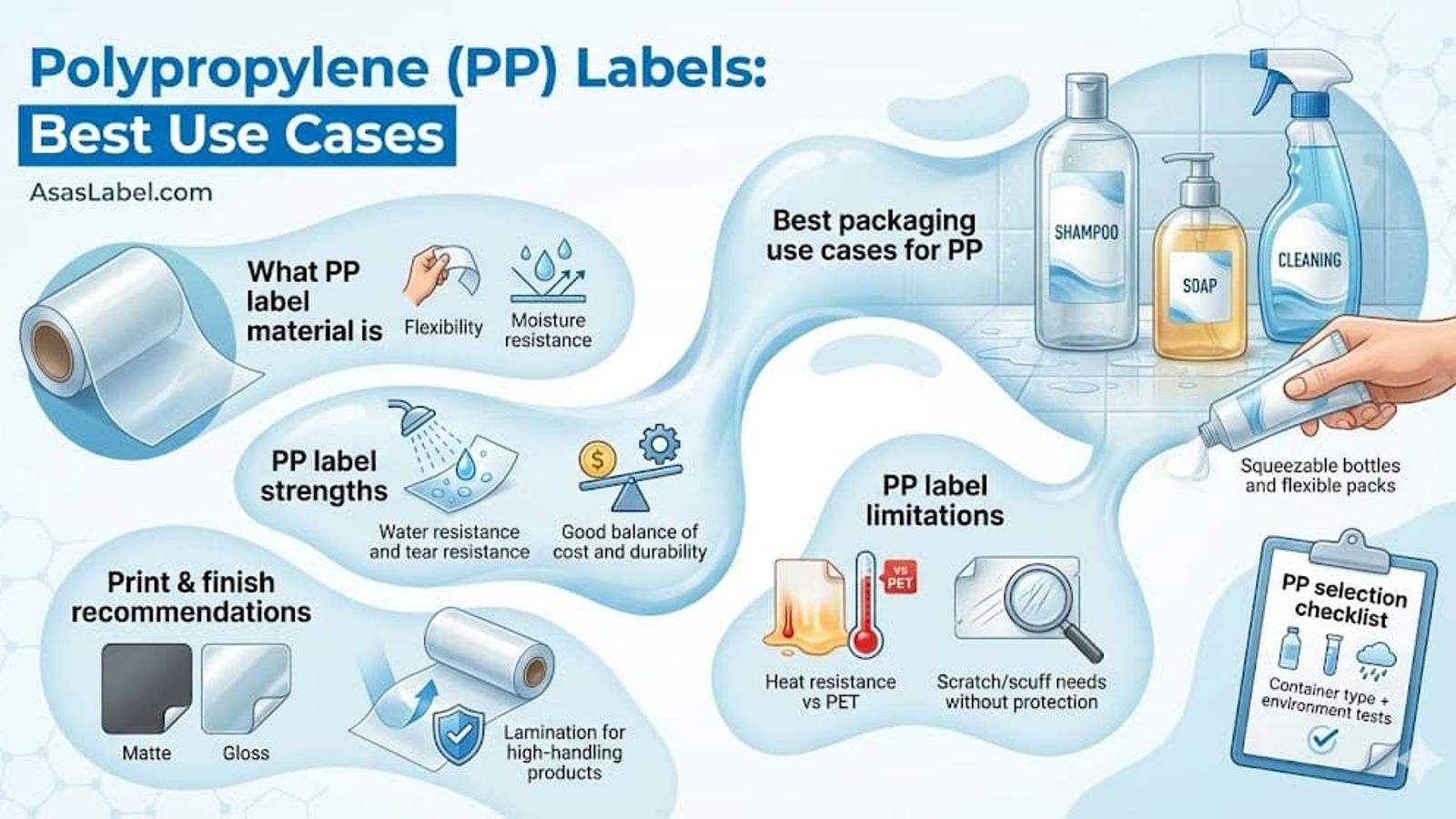
The defining characteristic of pp label material is its inherent ability to flex. This low density and high fatigue resistance allow the polypropylene label to conform to curved surfaces without retaining memory of its flat state. This prevents the "lift-off" or "flagging" often seen with paper labels applied to contoured containers like a jar or bottle.
Moisture resistance is integral to the polymer’s chemical structure, which is why these labels are a go-to choice. Polypropylene is hydrophobic, meaning it naturally repels water rather than absorbing it, making it an inherently waterproof label material. This creates a barrier that prevents the bopp label from swelling, warping, or delaminating when exposed to high humidity or direct liquid contact during product use.
This resistance extends beyond simple water exposure; it ensures that polypropylene labels remain intact and legible. The material structure prevents moisture ingress that would otherwise degrade the adhesive layer beneath. By maintaining this barrier, the bond between the label and the container remains secure even in shower environments or food and beverage refrigerated supply chains.
Where to Use Polypropylene Label Solutions: Choose the Right Polypropylene for Product Packaging
Identifying the correct application relies on analyzing the container's lifecycle and physical attributes. Using bopp labels is ideal for medium-durability applications where the product faces handling, moisture, and shelf wear. They are commonly the primary choice for pressure sensitive labels in the FMCG sector.
High-volume production lines benefit from oriented polypropylene film because they tolerate high-speed dispensing. The film's tensile strength allows for thinner calipers without snapping, meaning more labels per roll and fewer changeovers during manufacturing. This significant advantage drives their dominance as labels used for food, beverage, and personal care sectors.
Personal Care and Household: Waterproof PP Labels and Benefits of Polypropylene Labels
Shampoos, conditioners, and body washes operate in the most aggressive cosmetic consumer environments. These products face daily exposure to hot water, steam, and abrasive handling. Waterproof pp labels are non-negotiable here, as paper labels often disintegrate or look poor within days of consumer use.
Household cleaning products present an additional challenge regarding chemical exposure. Surfactants, alkalis, and solvents found in detergents can attack label substrates, but polypropylene labels offer resistance. Polypropylene provides solid chemical resistance, ensuring that safety warnings and branding remain legible throughout the product's lifespan, which is critical for product packaging compliance.
The visual versatility of polypropylene film aids in this sector. Clear bopp labels on transparent soap bottles create a "no-label" look that mimics direct printing on the plastic. This aesthetic is highly valued in the beauty industry, allowing the product color to drive shelf appeal while maintaining robust durability and eye-catching graphics.
Branding on Squeezable Containers: Custom Polypropylene Labels for Cosmetic and Food and Beverage Use
Rigid containers are straightforward, but semi-squeezable tubes and bottles require specific substrate mechanics. When a consumer squeezes a lotion jar or bottle, the surface area expands and deforms. A label with high rigidity, like a standard paper label, might wrinkle or detach effectively immediately upon deformation.
Polypropylene labels offer the necessary elasticity to move with the container. It returns to its original shape once the pressure is released, which is one of the key benefits of polypropylene labels. This property is vital for condiments, lotions, and squeezable cleaning gels where container deformation is the primary dispensing method.
However, successful application on squeezable packs also depends on the adhesive. A flexible pp face stock must be paired with an equally flexible adhesive. If the adhesive is too rigid, the bopp label will survive the squeeze, but the bond acts as a shear point, causing labels to eventually fail to maintain their position.
Why Choose Polypropylene Labels: Advantages of Polypropylene Over Paper Label Options
The packaging market offers various substrates, including paper labels, PE (Polyethylene), and PET (Polyester). Polypropylene film occupies the strategic middle ground. It offers significant advantages over paper labels and remains more cost-effective than high-end engineering plastics like PET.
Decision-makers often choose polypropylene because it solves 80% of packaging challenges. It provides excellent optical clarity for clear bopp options and supports high-resolution printing for white bopp opaque designs. Its surface energy is typically treated to accept various ink technologies, ensuring labels look great across various industries.
Imperviousness to Liquids: Using BOPP to Ensure Your Labels Remain Intact and Legible
Durability in wet environments is the primary driver for polypropylene label adoption. Unlike paper labels which might rely on a topcoat for temporary water resistance, a bopp label is waterproof at a molecular level. Immersion in ice buckets or storage in damp warehouses does not compromise the structural integrity of the label material.
Tear resistance is equally critical during the product labeling supply chain journey. Paper labels often snag and rip during packing or transit, but polypropylene labels provide protection. Polypropylene film has high tensile strength in the machine direction. It resists nicks and abrasions that would render a paper label unreadable or aesthetically unacceptable at the point of sale.
This durability reduces shrinkage and waste for retailers as labels remain intact and legible. Products with damaged labels are often discarded or marked down. By utilizing waterproof polypropylene labels, your brand can ensure the product packaging looks pristine from the manufacturing line to the end consumer's home.
Cost Efficiency: Why High-Quality Polypropylene Labels Stand Out in Product Labeling
Budget constraints often dictate whether you choose polypropylene labels or paper. Polyester (PET) is more durable but comes at a premium price point that is often unnecessary for disposable product packaging. Polypropylene labels offer a high return on investment by providing "sufficient" durability for single-use plastics and beverage consumables.
For packaging labels in UAE markets or other global trade hubs, shipping labels can face harsh conditions. The cost difference between a failing paper label and a surviving bopp label is negligible compared to the cost of a rejected shipment. Polypropylene labels provide insurance against environmental unpredictability across various industries.
Furthermore, the widespread availability of bopp film stabilizes its price. It is a commodity product with a robust global supply chain for custom labels. This availability prevents the volatility often seen with niche specialty films, making oriented polypropylene a reliable choice for long-term procurement and ensuring labels stand the test of time.
When to Choose the Right Alternative: Limitations of the Polypropylene Label in Challenging Conditions
Despite its versatility, a polypropylene label is not a universal solution. It has distinct thermal and physical limitations that engineers must respect when they need labels for extreme environments. Using pp labels in an environment exceeding its specifications results in labels melting or shrinking.
Understanding these boundaries helps you choose the right material and prevents costly packaging errors. Applications involving extreme heat, long-term outdoor exposure, or aggressive industrial solvents usually require labels made of polyester or vinyl substrates. Polypropylene labels are ideal for products in indoor, ambient, or chilled supply chains.
Thermal Stability: Choose Polypropylene Labels Wisely for Beverage and Thermal Transfer Needs
Heat resistance is the main differentiator between pp labels and PET. Polypropylene film has a relatively low melting point and can begin to distort at temperatures around 100°C (212°F) or even lower depending on the specific blend. It is generally unsuitable for "hot fill" beverage processes where containers are filled with boiling liquid.
Polyester sustains integrity at much higher temperatures, making it the choice for electronics and industrial machinery. If you require labels to survive wave soldering or an engine block's heat, pp labels offer little protection as they will shrivel. PET is the superior choice for high-thermal stress conditions while maintaining label integrity.
Conversely, polypropylene labels perform adequately in cold environments, but extreme cryogenic freezing can sometimes cause brittleness. For standard refrigerate and freezer applications, specific freezer-grade adhesives combined with bopp film usually perform well, ensuring labels remain intact and legible.
Surface Hardness: Labels Perform Best When Using Polypropylene Film Properly
While resistant to tearing, polypropylene is a relatively soft plastic. It is susceptible to surface scratching and scuffing if not properly protected as labels look worn over time. During transit, vibration can cause bottles to rub, leading to "burnishing" marks on the label material surface where labels perform poorly without a finish.
PET acts as a harder shield against abrasion. If the product packaging is heavy and subjects the label to intense friction without secondary packaging, polypropylene might show wear. This vulnerability necessitates the use of gloss or matte varnishes or laminates to protect the printed information on the pp labels.
For thermal transfer labels using pp, the surface chemistry is even more sensitive. Heat and friction can darken the label, obscuring the barcode or text. In shipping labels applications where conveyors and scanners contact the label, choosing a top-coated polypropylene film is essential effectively to maintain scannability.
Optimizing Print Quality: BOPP Label Finish Options like Gloss and Matte
The non-porous nature of oriented polypropylene film requires specific print treatments. Inks do not soak into the fibers as they do with a paper label; they sit on top. To ensure anchorage, the surface energy must be managed using polypropylene film that has been corona treated or top-coated during manufacturing.
Converters must match the ink system to the bopp label surface. UV-curable inks are particularly effective, forming a hard, durable layer that bonds instantly to the finish. Water-based inks require careful drying and primer application to prevent smudging or poor adhesive performance on the smooth white bopp or clear labels surface.
Visual Impact: Labels Make an Eye-Catching Shelf Appeal with White BOPP and Clear Labels
The choice between matte and gloss finish films radically alters shelf appeal. Gloss white bopp is the standard for vibrant, high-contrast imagery. It reflects light, making colors pop, which is desirable for food packaging and competitive retail shelves where eye-catching labels make the difference.
Matte pp labels offer a sophisticated, tactile experience. It diffuses light, reducing glare and making text easier to read under harsh store lighting, which helps polypropylene labels stand out. Luxury brands often deploy matte finishes for cosmetic labeling, distinguishing them from mass-market glossy competitors.
Clear bopp film provides the "no-label look" previously mentioned. For these clear polypropylene labels to work effectively, the adhesive must also be excessively clear and free of bubbles. A gloss finish on clear labels produces a glass-like effect, while a matte finish on clear polypropylene creates a frosted look, simulating etched glass.
Lamination Necessity: Custom Labels and Benefits of Polypropylene Labels for Durability
Lamination involves applying a secondary layer of clear plastic (usually lighter-gauge pp or PET) over the high-quality polypropylene labels. This is the ultimate protection for high-handling products. It encapsulates the ink, making the label material impervious to chemicals, oils, and physical scratching.
For products like motor oils, industrial cleaners, or cosmetic items carried in purses, lamination is often preferred. A simple varnish may not withstand the constant friction. Lamination also adds thickness and stiffness, which can aid in high-speed dispensing but must be balanced against container versatility and squeezability.
Varnishing is a cheaper alternative for less demanding food and beverage environments. A spot varnish can highlight specific design elements, adding depth to custom labels. However, for sheer durability, lamination remains the gold standard for extending the life of oriented polypropylene labels in challenging conditions.
Execution Guide: Choose the Right Polypropylene Labels for Your Brand
Selecting the right custom polypropylene labels construction is not permitted to be a guessing game. It requires a systematic checklist that accounts for the container material, surface energy, and environmental stressors. A bopp label that sticks to glass may fail on textured HDPE plastic if you don't choose the right adhesive.
You must adhere to the concept of "fitness for use." This means testing the polypropylene labels in conditions that mimic the worst-case scenario of the product's life. This includes transit vibration, warehouse heat, and consumer usage patterns involving waterproof needs or chemical exposure.
Environmental Stress: PP Labels for Jar and Shipping Labels Applications
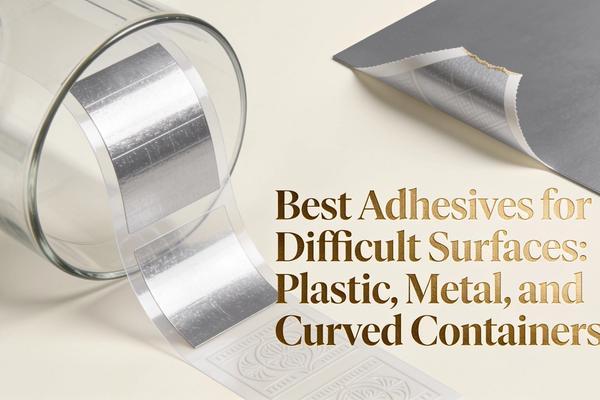
Begin by identifying the container's surface energy. Plastics like PE and PP have low surface energy, making them "slippery" for the adhesive. You will likely need a high-tack rubber-based or modified acrylic adhesive designed for low-energy surfaces to ensure labels remain attached to the jar or bottle.
Next, evaluate the application temperature versus the service temperature for your shipping labels. If the labels are applied at room temperature but the brand needs to refrigerate the product, the adhesive must support reliable bonding across that transition. Standard adhesives may crystallize and fail in sub-zero environments.
Finally, consider the recycling stream. Brand owners are increasingly using polypropylene labels to support sustainable packaging. Using a pp labels on a pp container facilitates mono-material recycling streams. This enhances the recyclability of the entire package, ensuring labels provide a critical factor for modern market compliance.