
Contact Sales Now
Thank you! Your submission has been received!
Oops! Something went wrong while submitting the form.

Contact Sales Now
Thank you! Your submission has been received!
Oops! Something went wrong while submitting the form.

Understanding label shelf life meaning for packaging
Determining how long do paper labels last depends heavily on the specific environment and application. The label shelf life meaning refers directly to the duration a label maintains optimal physical and aesthetic integrity. Standard food packaging labels demand uncompromising durability.
Defining food label shelf life requires looking past simple timeframes. Actual label lifespan hinges on material stability alongside environmental exposure. High-quality custom food labels face rigorous demands long before they reach consumer pantries or refrigerator shelves.
Manufacturers must prioritize long shelf life label components from the start. Effective paper label shelf life relies entirely on using appropriate substrates. Analyzing custom label shelf life ensures your brand packaging withstands varying storage temperatures without failing.
Assessing visual quality vs adhesion remains critical when evaluating paper label durability. Over time, the adhesion lifespan dictates how securely the label grips the container. Simultaneously, minimizing the visual fading of paper labels prevents brand dilution.
Poor environments accelerate breakdown and weaken label adhesion over time. Even if printed paper labels look flawless initially, underlying adhesive degradation threatens overall custom food label lifespan. Both elements must survive parallel timelines for maximum effectiveness.
Successful printed food packaging labels harmonize surface aesthetics with aggressive adhesive tack. Balancing a premium look against functional grip extends the effective custom printed labels usage window. This dual-focus stops premature product packaging failures during retail display.
Numerous environmental variables act as primary factors that accelerate wear. Routine label wear and tear occurs through friction, humidity shifts, and aggressive handling. Prioritizing label wear and tear prevention protects the structural integrity of food package labels.
Consistent exposure to harsh environments severely damages paper label printing. Accumulating moisture damage breaks down structural paper fibers rapidly. Furthermore, recurring grease stains compromise the visual clarity of printed food labels guide recommendations, necessitating protective barrier layers.
Supply chain logistics often expose inventory to temperature volatility. Rapid thermal shifts cause paper labels shelf life to drop significantly. Brands must account for these variables when developing a comprehensive brand packaging design process for retail items.
Evaluating typical food packaging scenarios provides a pragmatic baseline for choosing materials. Every product category subjects custom labels to unique physical demands. Understanding these daily operational realities helps secure maximum performance from paper labels for food packaging.
The specific environment dictates performance limits heavily. High-humidity coolers present drastically different technical challenges than completely dry ambient warehouse racking. Addressing these distinct variables directly enables brands to engineer long-lasting custom food labels without premature material failure.
Packaging grains or pastas requires specialized dry goods labels. These specific pantry product labels face extensive shelf times in moderate environments. Properly applying labels to dry goods guarantees secure placement throughout the entire retail and consumption lifecycle.
Although dry goods exist in climate-controlled spaces, friction during shipping remains a threat. Preserving label print quality against cardboard abrasion requires strategic material choices. Avoiding these specific physical impacts extends the paper labels shelf life considerably.
Most brands require dependable food product labels for dry environments. Consistent adhesive performance prevents lifting along rigid cardboard or plastic edges. Proper material alignment ensures your shelf life of paper labels easily matches the internal product expiration.
Designing oil and sauce labels presents entirely different chemical challenges. Direct product spills threaten standard paper layers immediately. Packaging engineers must evaluate condensation risk heavily when creating high-end food product labels for refrigerated or oily environments.
You must actively protect paper labels from condensation in cold chains. Rapid temperature transitions from refrigerators to room conditions cause immediate sweating. This moisture weakens standard substrates, drastically reducing paper label shelf life if left untreated.
Heavy oils penetrate raw paper fibers instantly upon contact. Implementing specialized barrier layers blocks these greasy liquids effectively. Guarding against both internal leaks and external sweating preserves the structural integrity of printed paper labels indefinitely.
Strategic paper stock selection fundamentally dictates physical resilience. Choosing the optimal substrate ranks among the most crucial food safe packaging elements. The best paper for food labels aligns directly with your specific expected environmental exposure and branding.
Making the wrong material choice undermines otherwise excellent product packaging. Assessing how environmental factors interact with paper structures prevents catastrophic adhesive failure. Product label design matching must incorporate specific substrate limits to guarantee reliable paper label durability.
Analyzing the coated vs uncoated dynamic establishes baseline performance standards. Finding the perfect uncoated fit suits specific artisanal brands requiring natural textures. However, understanding uncoated vs coated paper printing differences remains necessary to prevent liquid absorption issues.
Utilizing heavily treated materials improves overall coated paper label quality. A dense coating prevents unexpected moisture ingress during transit and display. Conversely, uncoated matte paper absorbs ambient humidity faster, which drastically diminishes standard label shelf life timelines.
Designers typically face choices regarding reflective properties and ink absorption. A highly coated surface provides vibrant ink holdout for printed paper labels. Understanding exactly how these substrates perform helps avoid label fading on shelves during extended display periods.
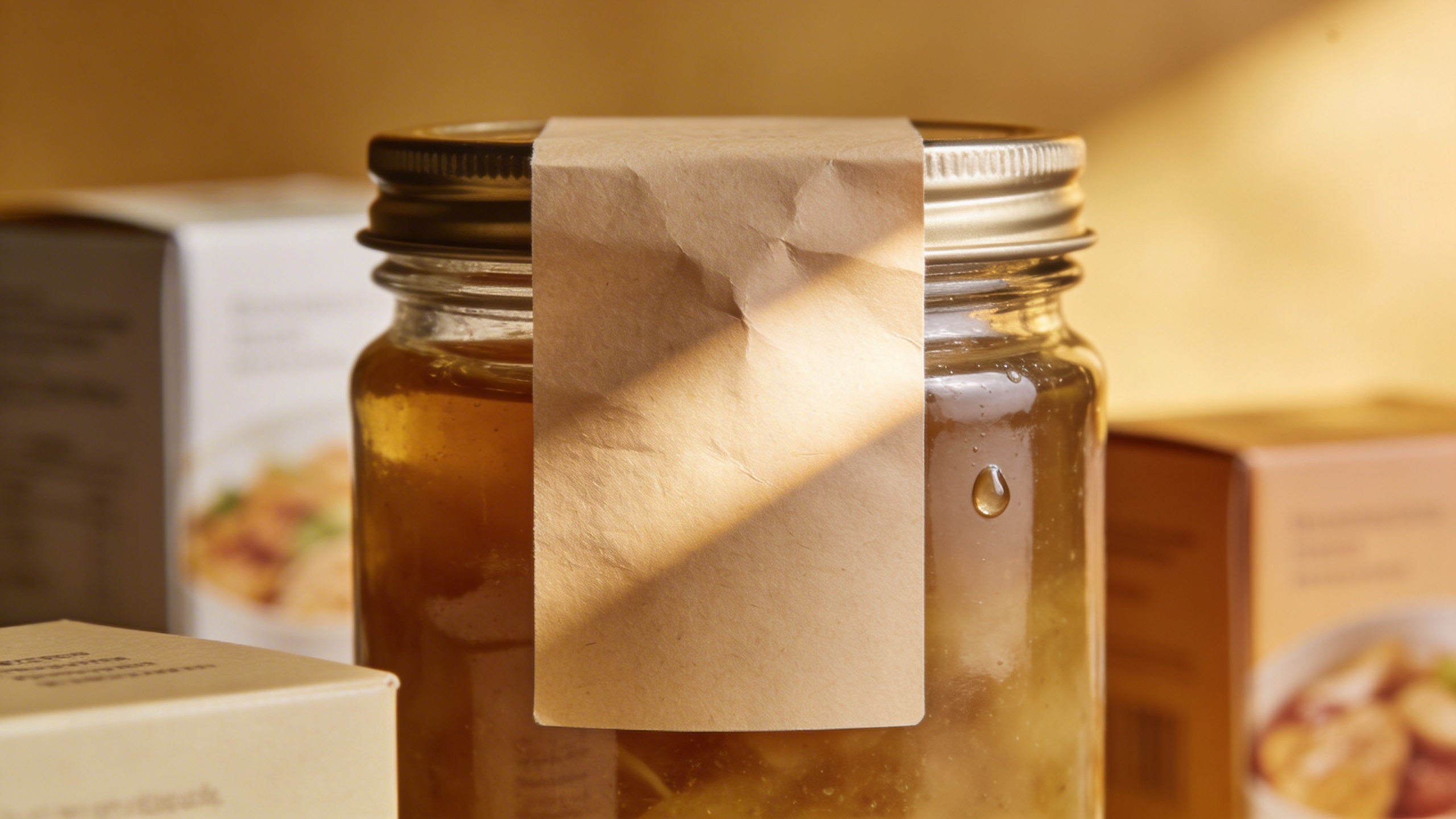
Specialized stock like textured brown paper offers unique branding advantages. Knowing exactly when kraft works well elevates natural or organic visual profiles. The right applications enhance understated elegance without compromising the structural integrity of custom printed labels.
Evaluating kraft paper shelf life requires assessing its porous nature. Because kraft lacks traditional barrier coatings, it absorbs environmental oils rapidly. Utilizing these elegant packaging materials demands careful matching with dry goods to avoid severe visual degradation.
Utilizing kraft often appeals to eco-conscious consumers directly. When applied to correctly matched dry environments, it offers incredible tactile feedback. Proper alignment of this raw material ensures excellent adhesive stability while projecting genuine brand authenticity precisely.
Topcoats serve as critical protective barriers against environmental damage. Selecting finishes that extend performance shields vulnerable ink layers from direct abrasion. Identifying the right label finish for food products guarantees survival throughout complex retail supply chains.
Different aesthetic goals demand specific protective layers. Choosing the exact right finish means balancing visual appeal against necessary structural durability. You must actively extend label performance by sealing the printed surface against unavoidable handling friction and moisture.
Deciding between varnish vs lamination influences both cost and durability. Choosing varnish for scuff resistance provides a lightweight protective layer. However, heavy-duty lamination for labels delivers superior structural rigidity and maximum moisture barrier protection.
When dealing with heavy transit, exceptional scuff resistance remains mandatory. A dedicated scuff resistant finish stops extensive visual damage during pallet movement. Determining whether to use varnish or laminate for food labels depends entirely on expected friction levels.
The aesthetic impact also drives these protective decisions. Analyzing glossy vs matte food packaging coatings determines the final product appearance. Comparing matte vs gloss finishes requires testing both protective and visual characteristics meticulously.
Deciding on gloss vs matte alters visual perception. When you choose matte, the non-reflective surface exudes sophistication. Conversely, a reflective finish like a gloss label creates a shiny finish that highlights vibrant colors against dark containers.
Be aware that a bright lighting retail environment produces heavy glare. A matte coating eliminates this distraction perfectly. However, glossy surfaces reflect light beautifully, providing glossy label finish options that catch consumer attention quickly across supermarket aisles.
The finish you choose directly impacts user interaction. A matte surface vs glossy touch alters tactile feedback significantly. Glossy labels resist fingerprint smudges better, while matte finish affects shelf life slightly differently by masking surface imperfections effortlessly.
Ultimately, choosing between matte and gloss defines your positioning. A label finish for premium look requirements often relies on choosing the right finish to convey elegance. Whether selecting matte or glossy, ensuring the look and feel aligns completely is vital.
Surface friction destroys unprotected ink layouts rapidly. Achieving high smudge resistance requires utilizing advanced curing technologies. Rigorous checking procedures stop inks from smudging when containers rub together inside densely packed shipping cartons during standard transit protocols.
Manufacturers must prioritize testing label smudge resistance during initial production runs. Standardized rub testing paper labels confirms the topcoat adequately shields the underlying pigments. Passing these tests ensures the printed food packaging labels survive automated application machinery without damage.
Sophisticated testing equipment simulates intense transit vibrations accurately. By artificially duplicating typical friction levels, quality technicians quickly identify weak ink adhesion. Validating these physical thresholds guarantees resilient retail displays representing true brand packaging excellence.
Careful inventory management preserves essential material characteristics. Proper label storage and handling stops adhesive degradation before labeling even begins. Maintaining strict environmental controls guarantees maximum performance from all custom food labels when they finally hit the production line.
Supply chains often overlook the fragility of pre-applied materials. Rough handling inside distribution centers jeopardizes precise die-cut tolerances. Managing these delicate assets carefully before they reach applicators extends operational viability and preserves the original investment.
Raw material environments dictate long-term usability. Maintaining ideal storage conditions before application prevents the paper substrate from warping or curling. Strict climate control represents the best method for preserving label print quality inside warehouses.
Poor warehouse practices destroy inventory rapidly. Evaluating standard storage conditions for printed labels includes monitoring ambient temperature fluctuations. Furthermore, controlling roll storage humidity prevents the backing liner from swelling and causing tension issues on application machines.
Time in inventory directly affects material integrity. Monitoring roll label shelf life ensures older stock gets utilized before adhesive breakdown occurs. Properly storing unused printed labels within sealed polyethylene bags stops ambient moisture from ruining the adhesive layer.
Extreme heat inside storage facilities causes severe chemical reactions. Uncontrolled high temperatures trigger adhesive bleed around the roll edges. This specific failure ruins paper labels for food packaging by gumming up automated dispensing equipment on the floor.
The manufacturing floor presents numerous hazards for delicate materials. Proper handling during filling & packing minimizes accidental scuffing. Line operators must utilize exact standard operating procedures to handle printed food packaging labels without causing structural damage.
Operators must monitor application environments closely. Maintaining the proper label application temperature prevents poor initial tack on cold containers. Correct thermal alignment is necessary to prevent paper labels from peeling off immediately after application on cold glass.
Physical handling labels during packing requires a delicate touch despite high speeds. Automated grippers must be calibrated precisely. Excessive mechanical pressure damages the custom shape and label finish, compromising the expensive materials you specifically selected for durability.
Strict oversight during production prevents catastrophic failures. Implementing routine quality checks for food brands ensures consistency across massive labeling runs. Every batch of custom printed labels must meet exact specifications before moving to the automated bottling lines.
Skipping critical validation steps invites expensive product recalls. Setting up rigid inspection parameters guarantees dimensional and chemical accuracy. A robust evaluation framework allows packaging engineers to catch minor printing defects before widespread application occurs onto final containers.
Quality assurance teams require standardized inspection protocols. A comprehensive approval checklist for food brands verifying exact color matched to the original product label design matching ensures aesthetic consistency. This strict validation maintains the anticipated premium look effortlessly.
Documenting material performance creates a reliable historical record. Utilizing a dedicated label quality control checklist tracks adhesive performance over time. This data helps engineers refine the overall brand packaging design process for future product launches.
Establishing a reliable paper label printing standard requires ongoing vigilance. Regular audits of matte label printing services guarantee high standards remain active. Consistent verification prevents substandard batches from negatively impacting your carefully crafted custom food label lifespan.
Final inspection must confirm dimensional accuracy thoroughly. Validating the custom shape and label finish alongside required food safe packaging elements ensures regulatory compliance. Rigorous testing validates the complete shelf life of paper labels across all expected retail environments.