

Contact Sales Now
Thank you! Your submission has been received!
Oops! Something went wrong while submitting the form.

Contact Sales Now
Thank you! Your submission has been received!
Oops! Something went wrong while submitting the form.

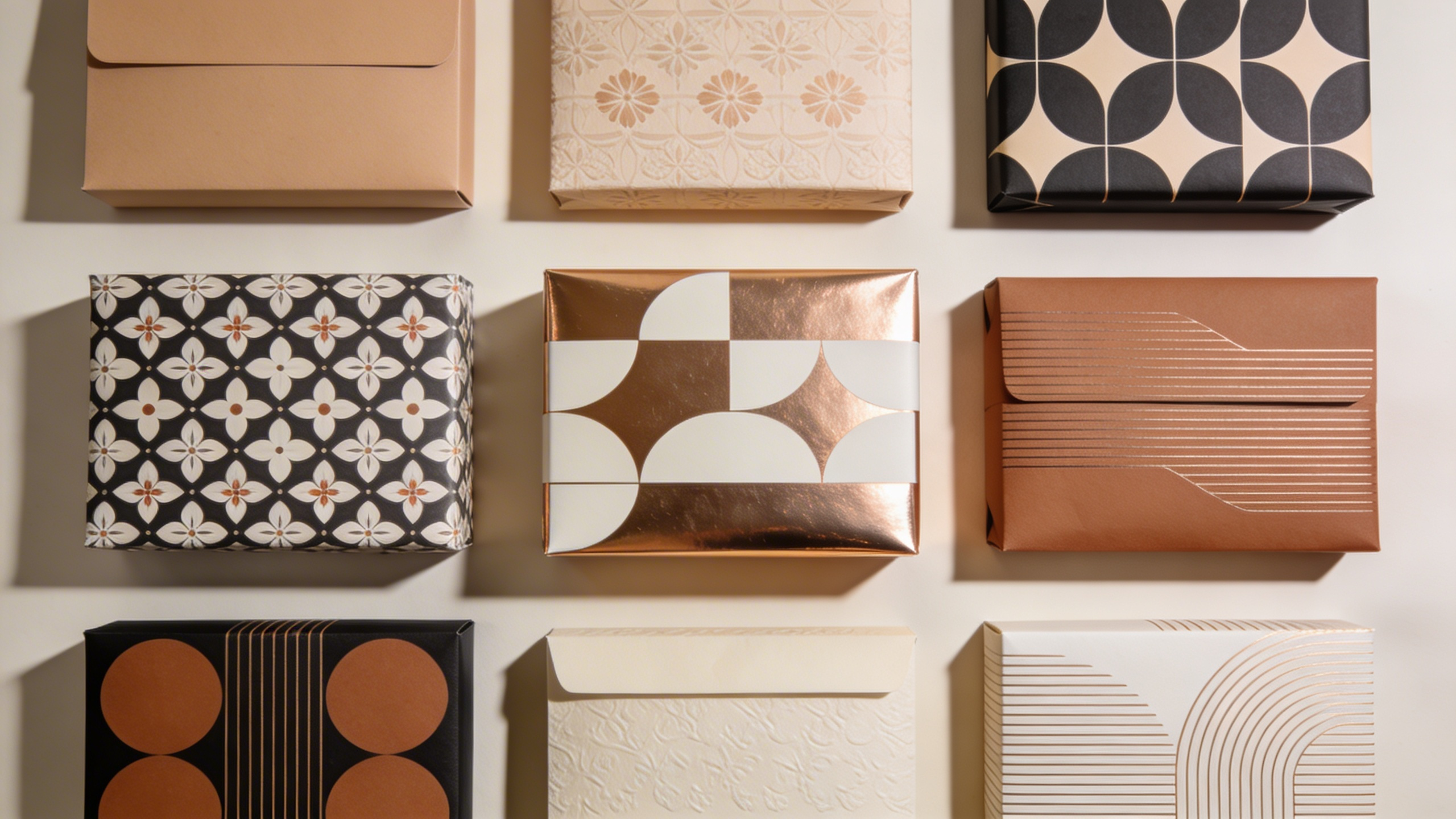
Packaging patterns and texture dictate how consumers physically and visually interact with your goods on the retail shelf. Effectively deployed product packaging patterns transform standard containers into premium brand assets. These foundational design elements drive how to build recognition on shelf through immediate sensory engagement.
Using custom label textures elevates standard materials into high-end structural assets. Tactile packaging labels demand immediate physical touch from consumers navigating retail aisles. This structural packaging patterns methodology guarantees your product line captures attention amid heavy visual competition within your industry.
Deploying textured labels establishes a direct physical connection right before the purchase occurs. Understanding packaging patterns vs plain visual printing helps brands position themselves significantly higher in the market. Properly printed packaging patterns seamlessly merge visual appeal with distinct physical attributes.
Brand recognition labels combine physical sensation with direct visual impact. Tactile packaging labels ensure your physical items interact intelligently with consumer hands immediately upon pickup. Custom printed label texture creates a lasting sensory impression that plain flat labels simply cannot easily replicate.
Distinctive packaging patterns create immediate brand recognition for highly loyal consumers. When busy shoppers scan crowded retail aisles they identify brand patterns before reading small text blocks. This cognitive shortcut accelerates purchasing decisions by relying entirely on familiar visual architecture.
Integrating custom textured labels establishes a highly effective premium look custom printed labels strategy. Subtle visual texture communicates sophisticated brand values without overloading the primary design layer. Understated elegance natively attracts customers with packaging texture that feels inherently expensive in their hands.
Sensory packaging experiences build long-term loyalty through calculated physical touch points. Unique label pattern design anchors your core brand identity firmly within the consumer psyche. This distinct structural approach defines how patterns build brand identity entirely through tactile feel.
Securing prime shelf appeal requires strategic packaging patterns that stand out from adjacent competitors. High-end cosmetic label finishes utilize intricate micro details to command premium retail placement automatically. This aggressive strategy captures ambient light to produce a visually appealing shelf packaging presence.
Mastering how to build recognition on shelf involves perfectly balancing brand colors with custom printed label texture. Rigid consistency in your product packaging reinforces psychological trust during rapid visual scanning. Consumers inherently trust packaging that maintains a rigorous premium look across all touchpoints.
Luxury product packaging textures leverage subtle manufacturing variations to assert total market dominance. Uniquely textured product labels communicate significantly higher manufacturing standards directly to the buyer. Implementing tactile label finishes effectively separates your offerings entirely from lower-tier budget alternatives.
Tactile label marketing transforms passive observation into active physical engagement on the sales floor. Textured product labels compel passing shoppers to pick up the container to investigate the surface. This brief moment of physical contact drastically increases the overall probability of a purchase.
Integrating bespoke packaging patterns elevates standard structural formats into highly specialized brand architecture. You can easily differentiate product lines with patterns that carry distinct physical tactile properties. The resulting shelf impact of textured labels thoroughly justifies the initial investment in specialized tooling.
Understanding the exact types of packaging patterns is vital for accurately aligning materials with brand positioning. Industrial designers categorize these into distinct functional groups based strictly on mathematical structure and natural flow. The finish you choose absolutely determines how these patterns behave under retail lighting.
Selecting custom cosmetic packaging patterns requires aggressively evaluating the primary packaging substrate material. A flawless seamless pattern repeat ensures the vector design wraps perfectly around complex bottle geometries. Printed packaging patterns must mathematically map precisely to the physical container dimensions.
Geometric label patterns rely entirely on precise mathematical grids and rigid vector alignment. Product designers leverage geometric vs organic label design frameworks to forcefully convey different brand personalities. Rigid geometric shapes successfully communicate clinical precision for supplements or technical skincare formulations.
Conversely organic packaging texture flowing gracefully without rigid borders strongly suggests natural raw ingredients. Organic shapes vs geometric shapes packaging decisions radically alter the subconscious buyer perception immediately. Natural visual variations in custom brand packaging decisions broadcast sustainability and earth-conscious formulations.
Natural cosmetic label patterns frequently utilize overlapping leaf structures or soft continuous fluid waves. These organic shapes vs geometric shapes packaging choices align perfectly with modern holistic branding initiatives. Consumers automatically interpret these visual choices as direct reflections of your core ingredient sourcing.
Choosing the right finish demands extensive technical knowledge of underlying substrate interactions. The right finish for custom labels must mathematically complement the underlying vector pattern structure. Carefully combining matte and gloss finishes creates striking visual depth without adding extra color layers.
You must rigorously evaluate how finish affects label color saturation under variable ambient lighting conditions. A deliberate tactile feel applied over dense ink patches inherently requires highly specific curing processes. Selecting the right label finish dictates the ultimate success of the sensory packaging experiences.
Applying tactile varnishes for label printing produces distinct elevated topography across the substrate. Highly specialized embossed label texture physically alters the paper structure to create permanent dimensional changes. These distinct tactile elements turn ordinary flat backgrounds into highly interactive custom label textures.
Using raised spot UV patterns intelligently delivers a high-build gloss effect on targeted vector areas. This advanced print technique actively enhances label patterns by catching light strictly on the raised lines. Strategically adding tactile elements to packaging provides an immediate premium look and feel.
Designing patterns for scale actively prevents catastrophic production bottlenecks across rapidly changing container sizes. Label pattern design architecture must mathematically expand or contract without losing foundational grid proportions. Scaling upward requires precise analysis of how vector repeat patterns labels behave on larger areas.
Designing vector patterns for label scale ensures absolute mathematical precision completely across all associated SKUs. When vector files scale improperly the underlying visual texture rapidly loses its intended marketing impact. Master vector files must rigorously retain sharp custom textured labels details regardless of dimensions.
Creating repeat modules for roll labels actively establishes a continuous uninterrupted visual design flow. Expert repeat modules packaging strategies allow the master artwork to seamlessly tile infinitely across webbing. This mathematical tiling process remains essentially mandatory for custom labels wrapped around cylindrical containers.
A flawless seamless pattern repeat successfully masks precisely where the design edge connects to itself. Engineering these geometric tiles correctly prevents harsh visual breaks within the printed packaging patterns. Designers must test these vector modules rigorously to ensure structural packaging patterns align perfectly.
Maintaining visual density remains exceptionally crucial when designing vector patterns for label scale adjustments. If a background pattern stretches irregularly it destroys the custom printed label texture effect entirely. Your master design files must mathematically adapt backward and forward to prevent these aesthetic distortions.
Surface scale directly affects how glossy surfaces geometrically reflect light across different underlying bottle diameters. A glossy pattern vs matte texture behaves completely differently as the physical label gently curves. The ultimate matte vs gloss on shelf performance shifts dramatically based on the container shape.
Applying automated spot gloss over matte background layers requires mathematically precise scaling of the finishing plates. The underlying matte paper completely absorbs light while the shiny finish creates sharp visual highlights. You must rigorously scale these contrasting tactile label finishes carefully to avoid dense visual clutter.
Strict technical limitations often dictate the baseline feasibility of intricate packaging patterns and texture. Overcoming label printing constraints inherently demands a deeply advanced understanding of modern flexographic press capabilities. You must thoroughly adapt custom label textures to perfectly fit specific machine tolerances and ink behaviors.
Complex pattern variants for labels can routinely create entirely unexpected concentrated ink density issues. Modern textured label printing actively minimizes these specific risks through highly advanced digital plating integration. However traditional analog flexographic setups inherently still impose strict mechanical boundaries on intricate tactile packaging labels.
Strictly maintaining perfect print registration completely guarantees that overlapping colors match the underlying pattern boundaries exactly. Dedicated print registration patterns actively help press operators calibrate the machine before running full production. Mechanical registration drift routinely causes color registration failures that instantly ruin the premium look.
Severe label printing registration issues frequently occur when substrate shifting physically misaligns the intricate vector shapes. Exceptionally tight printing tolerances remain strictly required when mapping raised texture label printing over specific colors. Without rigorous mechanical control the embossed label texture will completely miss its targeted visual mark.
Highly reflective finish materials frequently bounce harsh retail lighting directly into the consumer visual field. To actively reduce packaging glare under bright lighting many brands preemptively switch to structural matte coating. Excessive specular glare severely obscures product packaging patterns and actively diminishes overall brand recognition metrics.
Traditional glossy labels also frequently present extremely annoying physical handling challenges during routine retail stocking. Brands actively strive to avoid fingerprint on glossy labels by widely utilizing specialized soft-touch laminates instead. Knowing exactly when to choose matte over a pure gloss label completely prevents these tactile degradation issues.
Deploying specialized pattern variants for labels highly effectively segments a massive internal product catalog. Using patterns for product variants intelligently allows consumers to quickly physically distinguish completely distinct flavors or formulations. This clever visual shorthand heavily relies on actively changing the label variants while safely keeping logos static.
You can effortlessly differentiate product lines with patterns by systematically swapping geometric density or shifting organic density. Highly subtle shifts in packaging patterns and texture accurately indicate completely different internal product tiers. This advanced structural strategy safely maintains strict shelf recognition packaging metrics while introducing necessary visual diversity.
Aggressively maintaining strict brand consistency across variants requires absolute adherence to the foundational core design architecture. While custom printed label texture actively changes the underlying mathematical grid must strictly remain entirely identical. This disciplined approach strictly ensures the entire catalog projects a heavily unified premium look custom printed labels presence.
Intricate custom cosmetic packaging patterns frequently deploy an identical tactile feel completely across all SKUs varying only the color palette. A massively unified glossy or dark matte background naturally ties completely disparate physical variants together seamlessly. Highly consistent textured packaging labels strongly reinforce the overarching core brand identity across wildly mixed displays.
Differentiate product lines with patterns that only vary slightly in vector stroke weight or general visual scale. This highly nuanced approach expertly lets you efficiently launch limited-edition variant runs while strictly retaining brand continuity. Consistent foundational label pattern design virtually guarantees the distinct visual brand hierarchy remains perfectly intact.
Running highly customized multiple label variants on a solitary print cycle massively optimizes overarching structural production budgets. Systematically grouping matte or glossy finishes physically allows press operators to completely maximize daily press efficiency. Highly advanced digital commercial presses easily handle extensively multiple product packaging patterns within the exact same continuous print run.
Systematically evaluating which finish best intelligently serves the entire product line comprehensively prevents heavily disjointed visual branding. A completely uniform shiny finish or highly unified matte paper thoroughly links all visual variants tightly together. Specialized luxury product packaging textures must rigorously remain completely identical across the range to preserve high-end sophistication.
Rigorously reviewing all tactile packaging labels requirements fundamentally ensures your production art files are entirely press-ready. Your mandatory preflight checklist must thoroughly address packaging patterns vs strictly defined structural mechanical constraints before submission. This exceptionally rigid quality control protocol actively locks in the exact targeted look and feel of the final product.
Carefully verify that your precise vector repeat patterns labels mathematically scale perfectly accurately to the final physical container dimensions. Systematically confirm that all internal textures to reflect light are properly assigned immediately to the strictly correct separation printing layers. Highly accurate production file preparation completely eliminates exceptionally costly textured label printing delays.
Thoroughly analyze the exact matte vs gloss patterns physical requirements individually for absolutely every single outgoing SKU. Systematically confirm whether the core vector design strictly requires standard subdued matte coating or highly reflective aggressive glossy surfaces. The strictly selected right label finish absolutely directly impacts both shelf appeal and entirely long-term brand recognition labels performance.
Rigorously inspect the initial press proofs directly to definitively see precisely how the finish affects the underlying core ink colors. A typical commercial gloss label frequently inherently darkens specific dense color builds heavily under overly bright retail lighting. Aggressively evaluate exactly whether you should definitively choose matte to safely maintain the strictly intended custom printed label texture fidelity.
Systematically inspect the complex embossing and debossing textures matrix files internally for mathematically correct vector paths and adequate line thickness. Strictly ensure all custom raised spot UV patterns completely adhere to the rigid minimum thickness requirements for specialized high-build varnishes. Overlooked microscopic details precisely here will severely systematically compromise the strictly intended premium sensory packaging experiences.
Comprehensively finalize absolutely all intricate luxury product packaging textures matrixes to definitively guarantee maximum optical and physical shelf appeal. Systematically double-check that all specialized tactile varnishes for label printing perfectly integrate totally flawlessly with the foundational base product packaging patterns. Precision mechanical execution of these advanced technical details completely dictates the ultimate commercial market success of your custom labels.