
Contact Sales Now
Thank you! Your submission has been received!
Oops! Something went wrong while submitting the form.

Contact Sales Now
Thank you! Your submission has been received!
Oops! Something went wrong while submitting the form.

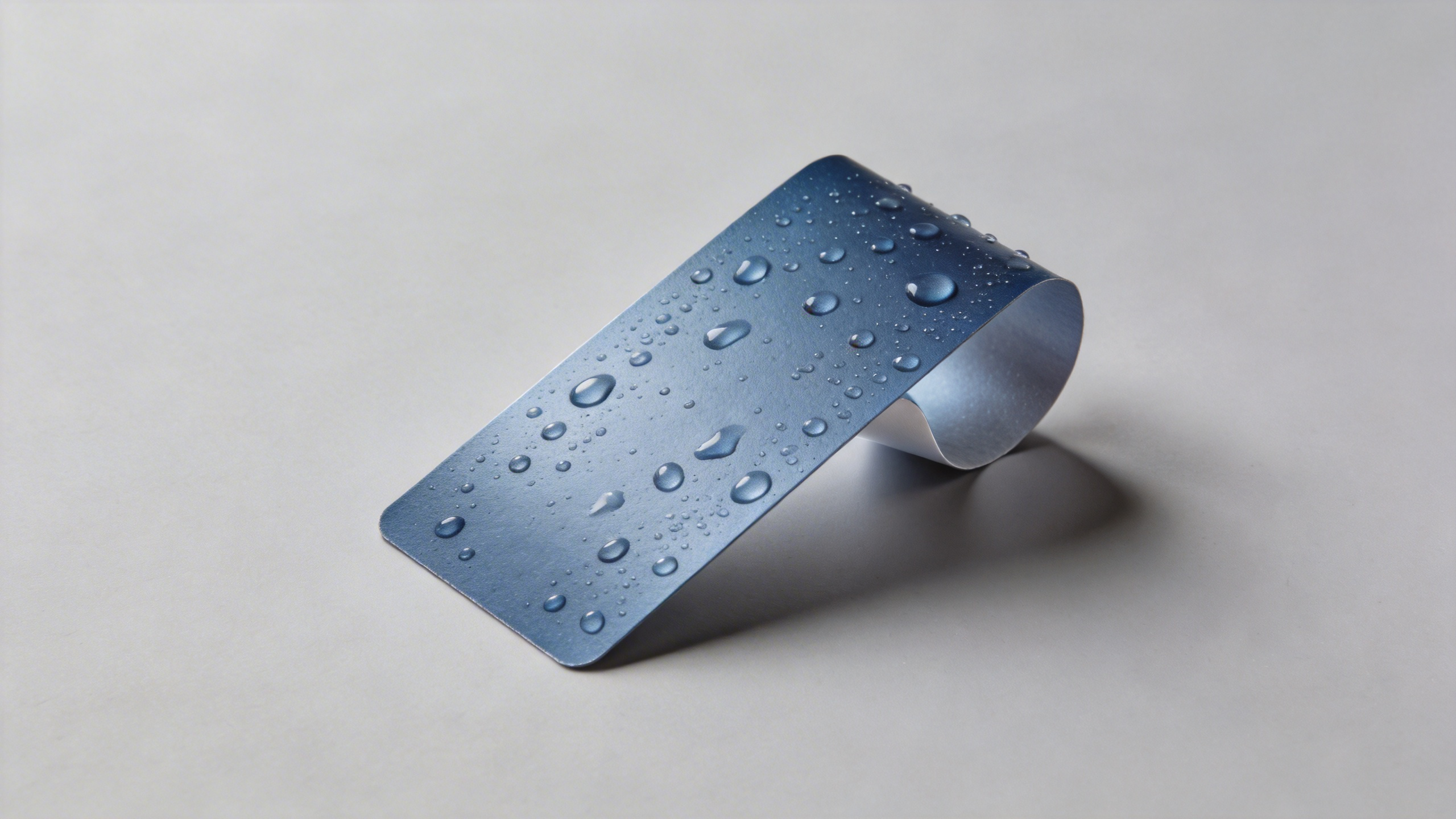
Selecting moisture resistant labels prevents disastrous product presentation. Brands need reliable water resistant labels to avoid premature detachment on retail shelves. Professional applications demand proven moisture resistant label materials right from the initial design phase.
Understanding moisture resistance in labels starts with evaluating the specific environmental threats your product faces. Reliable moisture resistant packaging relies on precisely engineered substrates. You cannot achieve durable labels without matching the face stock to exact moisture conditions.
Waterproof labels differ significantly from those merely tolerating brief moisture exposure. Specifying custom moisture resistant labels ensures maximum adherence across varied temperature shifts. Utilizing water resistant label printing establishes longevity for any high value brand packaging.
Producing a true moisture proof labels solution requires specialized condensation resistant labels. A properly engineered moisture resistant sticker handles environmental shifts without structural compromise. Similarly high quality water resistant stickers maintain vibrant branding across a vast range of wet environments.
Structural label failure occurs when face materials absorb ambient liquid and expand. This expansion creates shear stress against the adhesive layer resulting in aggressive peeling. Most commercial adhesives completely break down under continuous high humidity exposure without protective modifications.
Unprotected paper fibers react violently to moisture conditions causing frustrating curling edges. Once surface fibers expand they permanently alter the product packaging aesthetics. Brands struggling with how to stop labels from peeling off must immediately abandon substandard untreated substrates.
A secondary failure mode involves severe ink smudging across the printed surface. Standard untreated inks dissolve rapidly upon contact with unexpected water splashes. Protecting visual identity means acknowledging that labels failing in high humidity often stem from incompatible ink chemistry.
Constant ambient high humidity permeates standard label matrices over an extended timeline. This invisible threat degrades the moisture resistant adhesive from the outside edges inward. Preventing edge deterioration requires robust face stock acting as an absolute vapor barrier.
Refrigerator condensation behaves differently by pooling significant water drops directly on the label surface. Does condensation ruin labels depends heavily on the surface tension of the applied topcoat. These sudden temperature changes cause micro droplet formation underneath the label edges.
Beverage label moisture primarily stems from immediate extraction from cold storage into warm air. The rapid dew point transition tests the limits of any waterproof film. Brands need specialized labels that withstand condensation to preserve their sophisticated packaging look.
Substrate selection entirely dictates the baseline performance of wet area labels. The industry relies heavily on synthetic materials for wet conditions to eliminate dimensional instability. Choosing the correct water resistant face stock prevents total structural collapse during retail transit.
Advanced product packaging requires matching the ideal physical material to the specific liquid exposure. Analyzing the best materials for moisture prevents costly redesigns after products hit the shelves. The perfect substrate balances physical flexibility with absolute liquid impenetrability.
Polypropylene labels offer excellent biaxial flexibility for squeezable container applications. This common plastic film effectively halts liquid penetration while contouring perfectly to curved surfaces. Squeezable shampoo bottle labels demand this exact flexibility to prevent functional fatigue over time.
Polyester labels provide extreme rigidity and unparalleled dimensional stability under thermal stress. Industrial applications frequently require PET substrates to endure aggressive environmental variations. The superior tensile strength of PET guarantees pristine moisture resistant packaging during massive supply chain fluctuations.
Utilizing advanced waterproof film substrates establishes a guaranteed barrier against environmental liquid threats. These specialized films secure brand visibility in wet places without structural degradation. Food and beverage labeling relies heavily on these rigid plastic layers to maintain container integrity.
Coated paper backing functions adequately for brief moisture encounters or dry refrigeration. It remains an economical choice when products face minimal condensation threats. However aggressive fluid exposure will inevitably penetrate the protective varnish making paper inferior to true synthetic films.
You must carefully monitor your moisture resistant vs waterproof comparison data when reviewing paper substrates. Premium brands often rely on paper variations perfectly coated for minor handling. Applying a robust water resistant face stock over paper fibers buys valuable transition time.
Film completely eliminates the moisture wicking issues inherent to any wood pulp material. This makes plastic substrates completely standard for any durable label applications. Always specify synthetics when developing waterproof labels for cosmetics or items spending prolonged time inside showers.
Film guarantees total barrier protection while coated paper only offers temporary liquid deflection. Manufacturers upgrading their custom printed labels continuously choose films for safety. The waterproof vs water resistant debate entirely concludes when synthetic polyesters dominate the application parameters.
Face stock durability means absolutely nothing if the underlying binding agent fails. Highly specialized moisture resistant adhesive formulas prevent costly mid transit separation. Securing brand packaging requires a comprehensive evaluation of surface energy and expected daily fluid threats.
Water saturation aggressively breaks molecular bonds within standard untreated binding layers. Adhesives formulated for high humidity resist this exact chemical breakdown effectively. Precision engineering stops edge lifting by utilizing highly cross linked chemical networks designed specifically for fluid immersion.
High grade acrylic adhesive sets the industry standard for securing wet containers. Acrylic formations maintain exceptional chemical resilience against constant liquid submersion. Securing the best labels for wet bottles typically dictates utilizing an aggressive permanent acrylic formulation.
Traditional rubber based adhesive flows well but degrades rapidly when repeatedly exposed to high humidity. These compounds offer extreme initial tack while sacrificing long term environmental durability. Avoid standard rubber compounds when engineering moisture proof labels for harsh wet environments.
Removable configurations require precise temporary tacking power without leaving sticky residue upon peeling. Temporary moisture resistant label materials often struggle to balance easy removal with adequate water defense. Only highly specialized removable formulas survive constant refrigerator condensation without detaching prematurely.
Standard formulas solidify and shatter when exposed to blast freezing environments. Upgrading to a specialized freezer grade label adhesive prevents this disastrous cold weather crystallization. These flexible cold storage compounds remain fluid enough to grip microscopic surface variations safely.
Cold storage label adhesive requires unique tackifiers to grip frozen condensation firmly. Understanding how to apply labels to wet bottles begins with selecting these specific lower temperature compounds. Correct specification ensures total adhesion despite heavy surface frost buildup.
Bare ink remains vulnerable to scuffing and liquid saturation without proper topcoat barriers. Protective finishes for labels shield vulnerable pigment from acidic liquids and frequent handling. Specifying the exact right label finish prevents devastating visual degradation on premium retail shelves.
The finish you choose affects durability dramatically across your entire product line. Analyzing different moisture proof finishes prevents costly post production ink bleeding later. Proper topcoats safeguard your high end label look from continuous mechanical and environmental assault.
A premium moisture protection layer completely alters the label look and feel. Engineers must evaluate how the protective coating interacts with the specified printing technology. Perfecting the interaction between substrate and finish ensures maximum longevity over the ongoing product lifecycle.
Thick plastic overcoats provide absolute physical protection compared to thin liquid layers. Comparing lamination vs uv varnish determines the actual lifespan of your custom label. Laminates add physical structure while varnishes merely seal the microscopic pores of the underlying ink.
Waterproof coating strategies usually prioritize lamination for its impenetrable clear barrier shield. Varnish remains significantly more vulnerable to aggressive chemical cleaning agents. The right label finish for wet areas almost exclusively involves precise layer lamination rather than standard liquid sealing.
Physical lamination for wipe resistance prevents heavy friction from destroying printed text. This thick physical overcoat guarantees superior wet wipe cleaning protection during daily usage. Premium lamination completely halts ink transfer when consumers grip wet beverage containers aggressively.
Many brands choose matte lamination to provide an understated matte waterproof finish. This non reflective aesthetic delivers a sophisticated packaging look while repelling liquid droplets efficiently. Matte films conceal minor surface scratches while maintaining elegant presentation under harsh retail lighting.
Alternatively a high gloss shiny finish enhances color saturation dramatically on retail shelves. A brilliant shiny finish repels water droplets instantly leaving the branding entirely visible. Glossy surfaces vs water always result in spectacular droplet beading without substrate saturation.
Standard UV varnish applications suffice for minimal handling operations or temporary dry items. Applying an efficient varnish for light protection requires minimal budget overhead per unit. While cost effective this liquid topcoat cannot survive continuous structural friction or heavy water submersion.
Utilizing a matte coating through UV varnish creates a slightly muted visual effect natively. This process helps maintain label elegance under water drops without adding uncomfortable physical thickness. However varnishes will entirely fail if subjected to harsh rough chemical scrubbing.
Glossy labels coated strictly with liquid varnish look impressive but require careful strategic handling. Engineers often combine varnish techniques with synthetic faces to protect printed ink from splashing safely. This hybrid approach balances strict budget constraints with necessary fluid defense parameters.
Perfect application mandates tight control over the entire mechanical deployment line. Label finish best practices strictly dictate precise factory deployment parameters to prevent immediate edge lifting. Ignoring physical application protocols guarantees massive adhesion failures regardless of primary material quality.
Proper factory alignment necessitates dry contact points to activate the underlying stickiness effectively. Minor physical contaminants severely interrupt the necessary molecular bonding process. Applying premium custom labels for shower products demands total environment control during the machinery deployment phase.
Thorough label surface prep fundamentally guarantees the expected lifespan of the packaging unit. Microscopic grease particles entirely halt acrylic bonding mechanisms upon initial contact. Factory lines must completely clean bottle before labeling to secure optimal high level tack strength continuously.
Effective surface preparation for labels requires eliminating invisible release agents from manufactured glass or plastic. Chemical wiping protocols create ideal surface energy levels for rapid initial bonding. High precision container alignment minimizes trapped air bubbles underneath your waterproof packaging design.
Moisture acts as an extreme physical barrier preventing adhesive deployment entirely. You must prevent labels from wrinkling by removing all microscopic ambient condensation tightly. Attempting to apply sophisticated packaging materials over severe moisture droplets instantly triggers absolute structural rejection.
Establishing the correct adhesive cure time fundamentally anchors the product securely before transit. Chemical bonding relies totally on adequate uninterrupted structural drying parameters. Any liquid interruption during this setting period aggressively weakens the final grip strength of specialized binding agents.
Analyzing drying time for label application dictates warehouse staging procedures effectively. Engineers must calculate precisely how long for adhesive to cure under varied active factory temperatures. Premature refrigeration dramatically stunts the necessary chemical cross linking across the entire structural substrate.
Proper curing completely sets the stage for maximum environmental resistance later. Allowing optimal resting periods solidifies the custom printed labels directly against the continuous container walls permanently. Skipping this crucial staging time guarantees mass product failure upon reaching retail destinations.
Rigorous laboratory validation confirms the physical limitations of your chosen final material stack. Implementing a reliable label testing checklist detects hidden manufacturing flaws before massive shipping delays occur. Testing label durability requires simulated exposure mimicking precise real world daily moisture scenarios accurately.
Skipping these vital stress tests routinely invites massive product returns from disgruntled retail distributors. Methodical evaluation uncovers exact points of failure across complex wet environments systematically. Protecting your brand reputation means breaking your labels deliberately within tightly controlled isolated testing facilities.
The standard shower test forcefully subjects vertical containers to continuous hot fluid spray. Executing precise shower test parameters determines if cosmetic packaging survives regular domestic bathing environments. Only the absolute best finishes for custom labels survive this brutal ongoing temperature cycling unharmed.
Simulating domestic water flow reveals microscopic structural vulnerabilities along the die cut edges rapidly. High temperature water droplets aggressively attack any exposed native paper fibers they contact directly. Premium waterproof packaging design necessitates total sustained immunity against these harsh daily bathroom conditions.
You must physically rub test labels repeatedly to measure actual pigment ink retention accurately. Evaluating the rub resistance of ink ensures typography remains readable after constant aggressive friction. This physical friction simulation completely relies precisely upon proper reinforced matte or glossy protection layers.
Technicians utilize automated industrial machinery to scrape wet structural surfaces repeatedly with standardized weights. This precise mechanical process prevents ink bleeding on labels by exposing weak topcoat formulations instantly. If primary typography degrades quickly engineers immediately adjust the required physical lamination layer thickness parameters.
A careful edge lift check identifies weak initial mechanical tack completely objectively. Technicians verify that visual borders remain completely flush against complex continuous rounded packaging geometries. Microscopic gap spaces invite devastating corrosive fluid ingress straight into the underlying structural binding layers rapidly.
Resolving minor internal edge lifting prevents massive visual peeling failures during ongoing high humidity transit. Continuous factory pressure testing establishes solid performance longevity parameters targeting strict cold chain compliance levels. By isolating dimensional environmental shrinkage you effectively protect branding against moisture damage indefinitely unconditionally.