

Contact Sales Now
Thank you! Your submission has been received!
Oops! Something went wrong while submitting the form.

Contact Sales Now
Thank you! Your submission has been received!
Oops! Something went wrong while submitting the form.

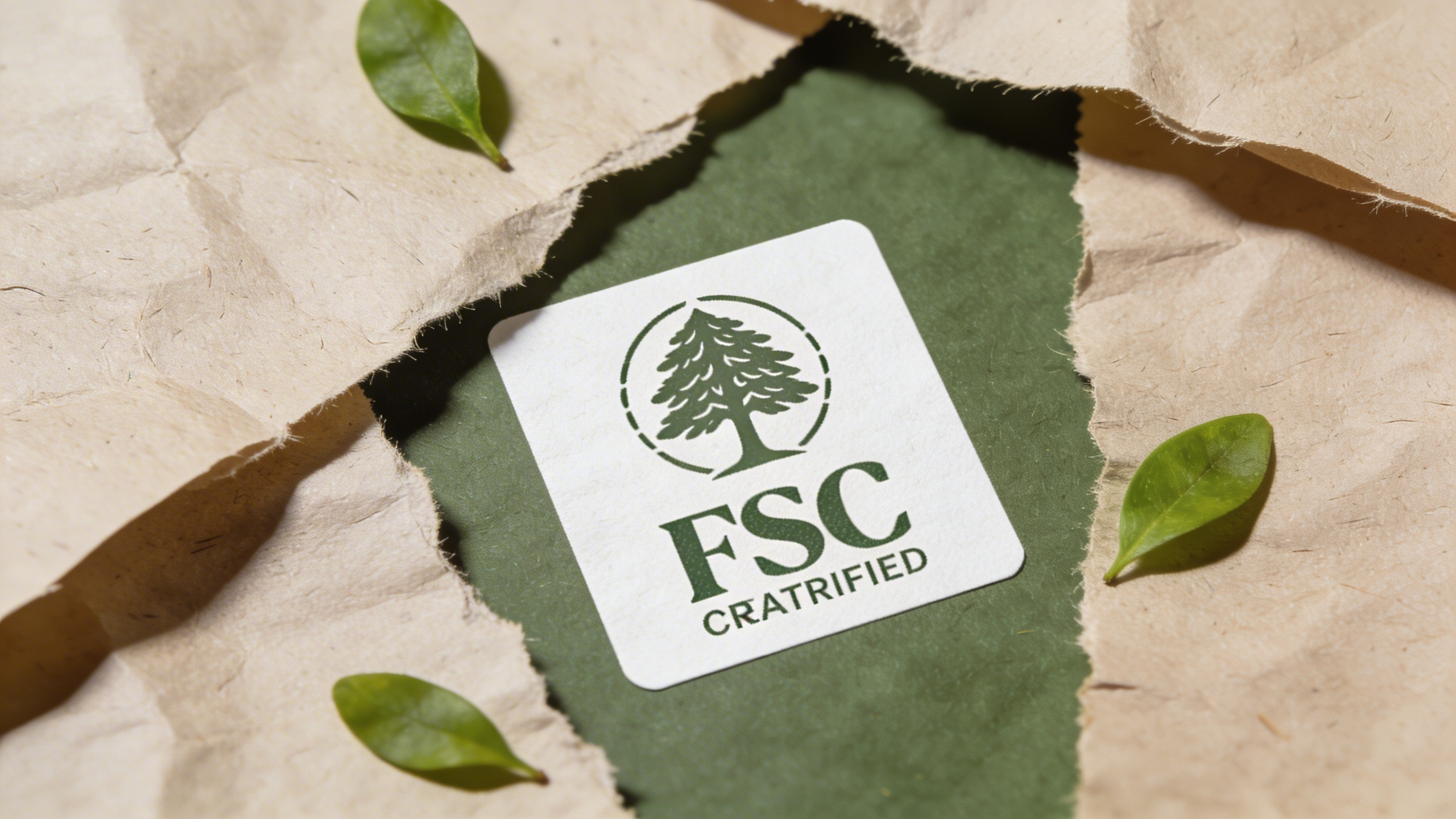
Adopting sustainable packaging strategies typically starts with the materials closest to the consumer. The fsc label serves as the primary interface for brand communication and environmental commitment. Utilizing FSC-certified paper labels validates a company’s dedication to responsible sourcing and environmental stewardship without compromising the visual appeal required for shelf impact.
Brands seeking to optimize their environmental and social profiles often prioritize these materials to protect ecosystems. The Forest Stewardship Council standards provide a rigorous standard that traces fiber from the forest floor to the final package. Understanding the technical nuances of this certification ensures accurate application and maximizes the value of the investment for any business.
The Forest Stewardship Council operates a global verified system that promotes environmentally responsible and sustainable management of the world's forests. For packaging professionals, the certification helps as a guarantee of source. It confirms that the wood or paper used in the paper substrate comes from forests that are well-managed or from controlled wood sources.
The system relies heavily on a chain-of-custody model. This mechanism tracks fsc-certified wood through every stage of the supply chain. From the pulp mill to the paper manufacturer, and finally to the label converter, every entity must hold a valid certificate to pass the claim to the end user.
If a single link in this supply chain lacks credible certification, the chain breaks. The final brand owner cannot legally display the FSC logo on their products with the fsc in such cases. This strict unbroken path ensures the integrity of sustainable packaging and prevents the entry of illegal logging into the market.
Paper mills and printer converters undergo annual audits to maintain their status. These audits verify strict environmental and social standards, including segregation protocols that keep certified materials separate from non-certified stocks during production and storage. This operational rigor provides the assurance brands need when demonstrating a commitment and making public environmental claims.
A common misconception among procurement teams is that an fsc label indicates the entire label construction is certified. In reality, the fsc certification specifically covers the wood-based face stock. This is the paper used that receives the printing and design work visible to the consumer.
The adhesive layer, usually comprised of acrylic, rubber, or silicone-based chemicals, falls outside the scope of forest management. These petrochemical or bio-based bonding agents do not contain wood fiber. Therefore, the fsc’s claim does not validate the sustainability profile of the adhesive component itself.
Release liners present a more complex scenario. While paper liners can theoretically be fsc certified, standard label stock constructions primarily focus the claim on the face material. Unless the specification sheet explicitly states the liner is also certified, buyers should assume the label signifies the claim applies only to the printable surface.
Siliconized glassine or PET liners are functional waste products in the application process. While recycle programs for liners exist, the FSC status of a tossed liner is rarely a priority compared to the paper in a product remaining on the package. Clarity on this distinction prevents overstating the environmental attributes of the total label construction.
Furthermore, the certification does not inherently guarantee biodegradability or compostability. A product comes from a responsible forest yet be coated with non-biodegradable laminates or varnishes. The FSC designation refers distinctly to the provenance of the fiber, not the end-of-life disposability of the finished composite.
Corporate sustainability goals satisfy more than just altruistic urges. They address tangible business risks and opportunities. Integrating responsible forestry packaging into the supply chain mitigates exposure to illegal logging regulations and deforestation controversies. It provides a secure, traceable lineage for raw materials and responsibly sourced materials.
Investors and stakeholders increasingly analyze strict environmental and social criteria to determine company value. Sourcing certified materials contributes positive data points to ESG reporting. It demonstrates proactive management of natural resources to enhance supply chain oversight.
Market differentiation remains a powerful motivator. As shelves become crowded with "green" claims, independent third-party validation cuts through the noise. A verified fsc label offers a competitive advantage against brands relying on vague or unsubstantiated eco-friendly assertions.
Major retailers increasingly dictate packaging standards to their suppliers. Global giants often utilize sustainability scorecards that penalize non-certified paper packaging. Failing to meet these procurement requirements can affect purchasing decisions, vendor delisting, or the inability to bid on shelf placement.
These mandates often trickle down from the retailer’s own Scope 3 emissions targets and commitment to reduce net deforestation. Suppliers must provide valid certificate codes and proof of purchase to satisfy these retail audits. FSC-certified paper labels become a prerequisite for doing business in these channels.
Regulatory landscapes in the European Union and North America are tightening regarding deforestation-free products. The EU Deforestation Regulation (EUDR), for instance, places strict due diligence requirements on operators. Certification systems act as a vital tool in demonstrating compliance with these emerging stringent legal frameworks and ethical guidelines.
Procurement teams also use certification to standardize global supply chains. By mandating a verified standard, multinational corporations ensure consistency in material quality and ethical sourcing across different territories. This reduces the administrative burden of vetting individual local paper suppliers, proving transparency.
Greenwashing accusations pose a significant threat to modern brand reputation. Consumers are skeptical of self-declared environmental victories. An independent, globally recognized seal bypasses this skepticism by offering objective proof of responsible sourcing, providing credibility.
The FSC logo is one of the few environmental seals with high recognition globally. When consumers see this mark, they associate the product with forest conservation and biodiversity protection. Products made with this mark build consumer confidence, and this transfer of trust enhances the perceived value of the product inside the package.
Transparency builds loyalty. Brands that openly share their supply chain credentials foster deeper connections with conscientious demographics. Utilizing certified labels transforms a necessary packaging component into a storytelling asset that communicates corporate values directly at the point of purchase, ensuring that forests that meet these standards are protected.
This validation extends beyond the consumer to employees and partners. Demonstrating a commitment to ethical sourcing boosts internal morale and aligns the company with broader global sustainability initiatives. It signals that the brand operates with integrity at every level of production.
Transitioning to certified labeling does not require a sacrifice in material performance or aesthetic quality. The paper market has evolved to offer certified versions of nearly every standard grade. Procurement managers must match the specific application requirements with the appropriate fsc certified grade to ensure functionality.
Supply availability varies by region and mill. However, leading pressure-sensitive material manufacturers now treat certified papers as standard stock rather than niche specialty items. This shift helps in maintaining cost parity and reducing lead times for eco-conscious options.
The selection process should begin with the end-use environment. Factors such as moisture exposure, abrasion risks, and temperature fluctuations dictate the necessary face stock properties. Certification confirms origin, but the technical specification determines performance for your fsc-certified wood products.
Designers have access to a full spectrum of finishes within the certified portfolio. High-gloss cast coated papers deliver vibrant color reproduction for premium food and beverage applications. These papers offer the same ink holdout and printability as their non-certified counterparts.
Matte and uncoated litho stocks provide a natural, organic look often favored by artisanal brands. These textured papers communicate sustainability through touch as well as sight. Wine and spirits brands can access certified estate papers with linen, felt, or laid textures that exude luxury and are made from a combination of high-quality pulps.
Thermal transfer and direct thermal papers are also widely available with FSC certification. This is critical for logistics and variable information printing. Warehousing operations can maintain green chain of custody even for shipping labels and inventory tags.
Converting characteristics remain consistent. FSC-certified papers respond to die-cutting, stripping, and dispensing machinery just like standard papers. Converters do not typically need to alter tooling or press speeds, facilitating a seamless switch for the manufacturing team.
Standard paper fibers absorb water, which can lead to wrinkling or graying in humid environments. For products destined for ice buckets or refrigerated shelves, brands must select certified papers treated with wet-strength agents. These additives maintain fiber structural integrity when saturated.
The choice of adhesive is paramount in these scenarios. While the adhesive is not FSC-certified, it must be compatible with the certified face stock. Emulsion acrylics work well for general purpose cold chains, while hot melts may be necessary for deep freeze environments or difficult surfaces.
Top coatings play a vital role in durability. A certified paper label often requires a varnish or laminate to protect the print. Brands must decide if they will use a plastic laminate (which affects recyclability) or a UV varnish to seal the fiber surface against condensation.
In extreme conditions, brands might typically switch to film (PP or PE). However, new advancements in resin-impregnated paper stocks allow for FSC-certified options that rival film durability. These hybrid materials offer the resilience needed for personal care products while maintaining a paper-based, renewable origin.
Possessing a certified label on a roll is different from legally printing the trademark on packaging. The FSC strictly governs the usage of its intellectual property. Misuse of the logo or acronym can result in legal action and the revocation of certificates for the supply chain partners involved.
The brand owner does not usually need their own Chain of Custody certificate if they are not altering the product. However, they must obtain the label from a certified converter who applies the logo during the printing process. The logo used must correspond to the converter's unique license code.
Any promotional statements made off-product, such as on websites or annual reports, also require verification. If a brand wishes to use the trademarks in marketing materials, they must apply for a Promotional License. This ensures that claims are accurate and do not overreach the scope of the certification.
The on-pack label features specific elements: the "checkmark and tree" logo, the FSC website address, the three main types of fsc labels (Mix, 100%, or Recycled), and the supplier’s unique license code. Knowing what fsc labels mean provides the traceability link back to the certified manufacturer.
Designers must adhere to strict size and placement guidelines. The logo requires clear space around it and minimum size dimensions to ensure legibility. It cannot be altered in color or proportion. Standard colors are green, black, or white knockout, though specific brand colors are sometimes permitted with approval.
Choosing the right claim text is vital. "FSC 100" is rare for labels as it requires all fiber to come from fsc-certified forests. The "FSC Mix label" is the industry standard for paper labels, indicating a combination of certified wood, controlled wood (and it's important to remember that controlled wood isn't fully certified but avoids unacceptable sources), and/or recycled materials. The "FSC recycled label" indicates it uses post-consumer waste. Using the correct designation is a compliance necessity.
Placement strategy affects consumer recognition. While the label face is prime real estate, some brands opt to place the certification mark on the back or side panels. However, front-of-pack placement yields the highest return on investment regarding consumer perception and shelf appeal.
The transfer of certification happens via the invoice, not just the physical label. The supplier’s invoice must clearly state the line item as FSC-certified, including the specific claim (e.g., FSC Mix Credit) and the supplier’s Chain of Custody code.
Without this documentation, the delivered goods are analytically considered "conventional," regardless of the raw material origin. Brands should regularly audit incoming invoices to ensure that the certification data is present and accurate. Missing codes break the chain.
Verification is public and accessible. A searchable international database allows any buyer to check the validity of a supplier’s certificate. It is prudent practice to verify the converter’s status annually to ensure their certification hasn't expired or been suspended.
For brands undergoing their own audits (if they hold a certificate), maintaining a volume summary is essential. This reconciles the amount of certified labels purchased against the amount of certified finished goods sold. This mass balance accounting proves that the system is not being defrauded.
Navigating the intersection of sustainability and label specification generates common queries in the frequently asked questions section. Understanding the nuances helps in making informed decisions that align with both budget and ecological intent. Below are clarifications on frequent points of confusion.
A frequent debate arises between choosing virgin FSC fiber versus Recycled (PCR) paper. FSC Virgin paper comes from responsibly managed forests and typically acts as a "fresh" input into the paper cycle. It creates stronger fibers that are essential for maintaining the global paper loop.
Recycled paper labels rely on Post-Consumer Waste. While excellent for the circular economy, reclaim fibers are shorter and weaker due to previous processing. This can cause issues with tearing during high-speed machine application or converting.
Aesthetically, virgin certified paper is brighter and cleaner. Recycled stocks often feature specks, slight color variations, or a duller white point. Brands must decide if the "flecked" look of recycled paper enhances their natural image or detracts from their premium branding.
FSC Recycled is a specific designation verifying the fiber is reclaimed. However, many brands opt for the FSC Mix label, which blends virgin certified fiber with recycled content. This hybrid approach optimizes both strength and brightness while supporting recycling markets and standards for responsible forest management.
While certification offers robust assurances, it is not the only factor in sustainable packaging. If the primary goal is reducing carbon footprint, brands might also consider the weight of the material or the distance of transport. Sometimes a lighter, non-certified paper locally sourced has a lower carbon impact than a heavy certified stock shipped globally.
Cost is a consideration. Historically, certified papers commanded a premium. While this gap has narrowed significantly, tight margin commodities might still find the cost increase prohibitive. Brands must weigh the marketing value of the eco-label against the incremental unit cost.
Alternative fibers present another route. Papers made from agricultural waste, bagasse, or hemp are entering the market. While some are eligible for FSC certification under specific standards, others fall outside the traditional wood-fiber scope. Brands looking for innovation might look beyond traditional wood pulp entirely to carry the fsc endorsement where applicable.