
Contact Sales Now
Thank you! Your submission has been received!
Oops! Something went wrong while submitting the form.

Contact Sales Now
Thank you! Your submission has been received!
Oops! Something went wrong while submitting the form.

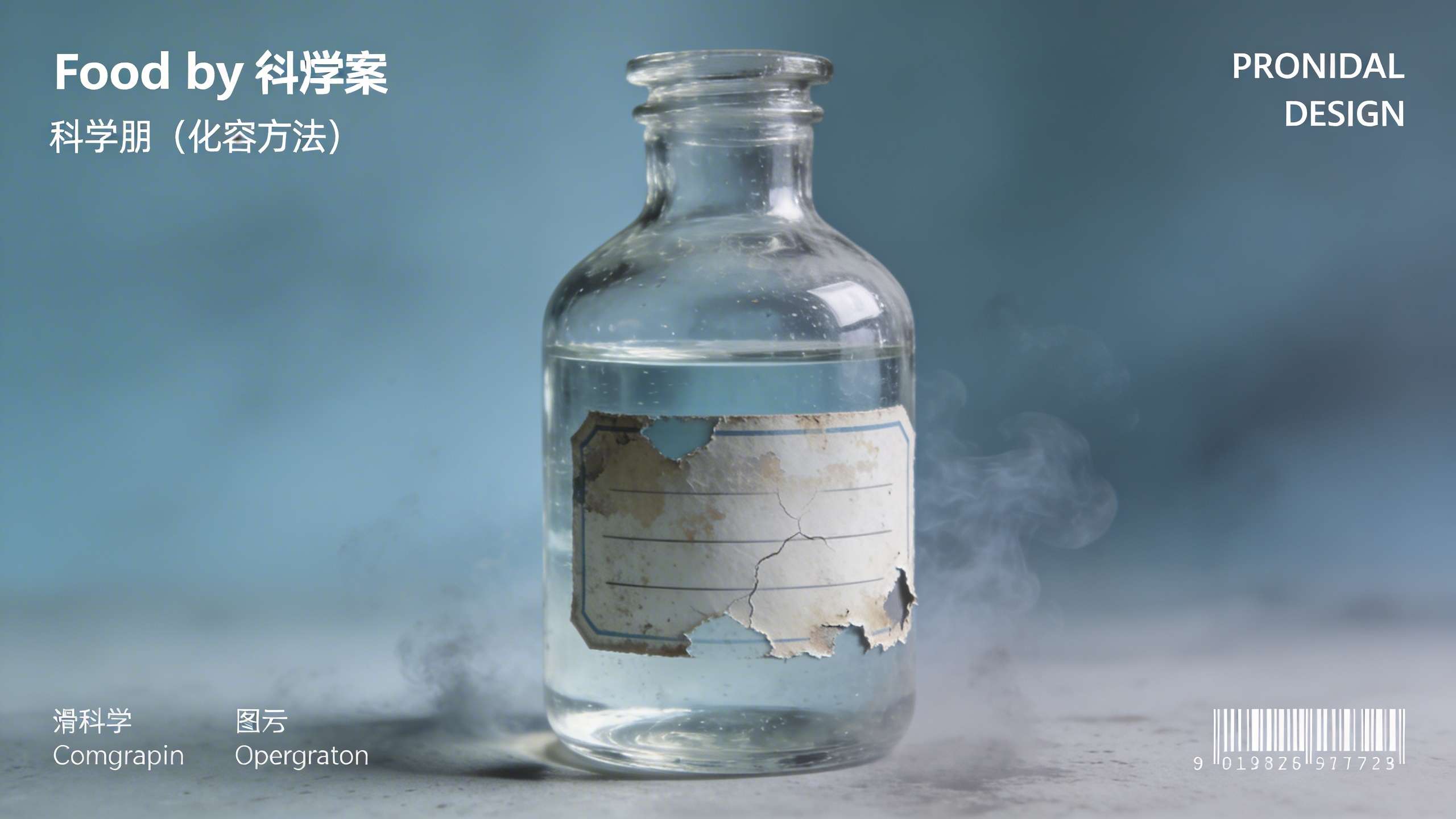
Industrial identification relies on data integrity. When a label fails, the traceability of the entire product often fails with it. Manufacturers frequently underestimate the aggressive nature of industrial solvents and cleaning agents. This oversight leads to compliance violations and significant operational downtime.
The chemistry involved in label degradation is complex. It is not merely about a label falling off. It concerns the legibility of barcodes, regulatory text, and safety warnings. A faded warning symbol can result in severe safety audits or injury liability.
Choosing the correct labeling solution requires an understanding of molecular interactions. You must match the surface energy of the substrate with the chemical resistance of the topcoat. Neglecting this balance ensures premature failure in harsh environments.
Chemical agents attack labels on multiple fronts. The degradation process begins instantly upon contact, though visible signs may take time to manifest. Solvents do not just sit on the surface. They seek to penetrate the matrix of the material. This changes the physical properties of the label construction.
Understanding the mode of failure is critical for troubleshooting. Engineering teams must differentiate between aesthetic damage and functional failure. Aesthetic damage might be acceptable in some logistics applications. Functional failure, such as an unreadable QR code, is never acceptable in asset tracking.
The most immediate sign of incompatibility is ink degradation. Harsh solvents acts as thinning agents for standard inks. When a solvent comes into contact with non-resistant thermal transfer ribbons, the binders dissolve. This causes the pigment to lose its bond with the facestock.
The result is a distinct smearing effect. Barcodes become unscannable because the clear definition between bars and spaces vanishes. In severe cases, the text washes away completely, leaving a blank white label. This is common when alcohol-based cleaners meet wax ribbons.
Film damage operates differently. Aggressive chemicals like Methyl Ethyl Ketone (MEK) or acetone attack the polymer chains of the label stock. This causes the film to swell, warp, or become brittle. The term for this brittleness is crazing, which manifests as tiny visible cracks.
Swelling creates dimensional instability. As the label expands, it shears away from the adhesive layer. The material ripples and pulls up at the corners. Once the structural integrity of the film is compromised, the label offers no protection to the adhesive underneath.
Adhesive failure is the final stage of degradation. Chemicals migrate through the edges or permeate the facestock to reach the glue. Some solvents cause the adhesive to liquefy and ooze. Others cause it to harden and lose all tack. Both scenarios result in total detachment.
Not all chemical contact carries the same risk profile. The method of exposure dictates the severity of the reaction. Specifying a "chemical resistant label" is insufficient without defining the application method. Engineers must quantify the duration and force of the contact.
The environment dictates the material choice. A label inside a fluid tank faces different variables than a label on a drum stored outdoors. Accurately mapping these variables prevents over-engineering or under-specifying the solution.
Incidental splash exposure is the most common requirement. This occurs when a fluid briefly contacts the label surface before running off or evaporating. The dwell time is low. The chemical has little opportunity to permeate the topcoat or edge-wick into the adhesive.
Wiping introduces a mechanical variable. When an operator cleans a surface, they apply pressure and friction. This physical agitation forces the solvent deeper into the material surface. It can abrade protective varnishes, exposing the vulnerable print layer beneath.
Wipe resistance requires higher durability than splash resistance. Standard testing involves a specific weight and number of cycles. A label that survives a splash of acetone might fail instantly under ten cycles of an acetone-soaked rag.
Long-term contact or immersion presents the highest difficulty. This applies to labels on fluid containers or components submerged in hydraulic fluids. Here, the chemical is in constant contact with the label edge. Edge-wicking becomes the primary failure mode as fluids slowly dissolve the adhesive bond from the perimeter inward.
The facestock provides the structural foundation of the label. Selecting the right polymer is the single most important decision for solvent resistant labels. Paper is never an option in these environments. It acts as a sponge, absorbing fluids and destroying the bond.
Synthetic films are required for durability. However, not all synthetics react chemically in the same way. The polarity of the plastic determines its resistance to specific solvent families. Matching the polymer to the expected chemical threat is essential.
Polypropylene (PP) offers a baseline for durable labeling. It resists water, oils, and some weak acids effectively. It is flexible and cost-effective. However, PP struggles against aromatic hydrocarbons and aggressive ketones. It can soften and deform under heavy industrial solvent exposure.
Vinyl (PVC) is traditionally used for outdoor applications due to UV stability. In chemical environments, it is unmatched for conformability on curved surfaces. Yet, PVC contains plasticizers. Strong solvents can extract these plasticizers, leading to rapid embrittlement and cracking of the label.
Polyester (PET) is the gold standard for high chemical resistance. It is dimensionally stable and inherently resistant to a wide range of industrial chemicals, including brake fluid and engine oil. PET withstands high temperatures, which often accompany chemical processing.
For extreme environments, polyimide becomes necessary. While expensive, it withstands the extreme heat of reflow ovens and aggressive cleaning fluxes used in PCB manufacturing. For most general industrial chemical applications, however, a top-coated PET is the optimal balance of performance and cost.
A resistant facestock alone cannot protect printed data. The ink sits on top of the material, leaving it vulnerable. You must apply a barrier layer to shield the print. Without this barrier, even the most durable PET label will suffer from data loss.
This barrier must possess lower surface energy than the contaminant. It must also be chemically inert regarding the specific solvents in use. There are two primary methods for adding this protection layer. Each has distinct advantages depending on the application workflow.
Overlamination provides the highest level of physical and chemical protection. This involves applying a clear film over the printed label. The laminate acts as a sacrificial layer. The solvent attacks the laminate, leaving the printed information beneath untouched.
Polyester overlaminates are preferred for harsh solvents. They offer the same robust resistance as PET facestocks. Ensure the adhesive used on the lamination itself is clear and solvent-resistant. If the lamination adhesive creates a haze upon contact with chemicals, readability is compromised.
Thickness matters in lamination. A 1-mil laminate is standard, but 2-mil options offer greater resistance to the abrasion of wipe-downs. For immersion environments, the lamination should ideally slightly overlap the label edge to seal the print, though this is difficult in automated printing.
Matte versus gloss finishes influence fluid dynamic. Gloss laminates allow fluids to bead up and run off quickly. Matte finishes have a textured surface that may trap micro-droplets of chemicals, slightly increasing the effective dwell time of the corrosive agent.
Varnishes are liquid coatings cured usually via UV light. They are more cost-effective than lamination but offer a thinner layer of protection. A varnish is suitable for splash protection but often fails under heavy abrasive wiping. The layer is simply not thick enough to withstand friction.
Formulation is critical here. Standard varnishes provide scuff resistance but dissolve under alcohol or acetone. You must specify UV-cured, chemical-resistant varnish formulations. These create a tighter cross-linked polymer structure that repels solvent penetration.
Spot varnishing allows for variable data printing in secondary operations. However, for full chemical protection, flood varnishing is required. Any gap in the varnish coverage creates a weak point where forced solvents can enter and undermine the ink.
The label must stick. This seems obvious, yet adhesive compatibility is often overlooked. A chemical might not damage the face of the label but can destroy the bond holding it to the asset. This leads to labels falling off intact.
Surface tension plays a massive role here. Low Surface Energy (LSE) plastics like polyethylene drums are difficult to bond to. Adding chemicals to the mix creates a complex adhesion challenge. The adhesive must wet out the surface while resisting chemical attack.
Rubber-based adhesives are generally poor candidates for chemical environments. They offer high initial tack, which is appealing, but they possess poor aging and solvent resistance. Solvents cause rubber chains to relax, turning the adhesive into a gooey residue.
Acrylic adhesives are superior for solvent resistant labels. Specifically, solvent-based acrylics offer better resistance than emulsion (water-based) acrylics. The cross-linking in high-performance acrylics prevents the adhesive from dissolving when exposed to petroleum-based products.
For extreme cases, modified acrylics maximize resistance. These are engineered to resist shear stress even when the label edges are saturated. Note that acrylics require time to reach ultimate bond. Testing adhesion immediately after application will not give accurate data regarding chemical resistance.
Residue is a critical factor for reusable assets. If a chemical degrades the adhesive, removing the old label becomes a labor-intensive cleaning task. High-quality acrylics tend to remove cleanly or stay with the facestock, whereas degraded rubber adhesives leave a sticky mess.
Data sheets provide theoretical performance. Real-world application requires empirical testing. Relying solely on a supplier's "chemical resistant" claim is dangerous. Every industrial environment has a unique cocktail of temperature, abrasion, and chemical concentration.
Create a standardized testing protocol. This ensures consistency when evaluating new materials. It also provides a defensible audit trail if label failures occur in the field. Test to the point of failure to understand the safety margin.
The wipe test simulates cleaning procedures. Apply the specific solvent to a cloth and wipe the label surface. Count the number of strokes until degradation appears. Standardize the pressure used, or the results will be subjective and unreliable.
The MEK rub test is an industry benchmark. Methyl Ethyl Ketone is highly aggressive. A material that withstands a specific number of MEK double-rubs is generally considered resistant to most milder industrial solvents. This test effectively separates premium coatings from standard ones.
Adhesion checks need dwell time. Apply the label and wait 24 to 72 hours for the bond to set. Then expose the labeled item to the chemical environment. After exposure, perform a peel test. Look for edge lift or adhesive softening compared to a control sample.
Finally, consider the Sutherland Rub Test for automated consistency. This machine moves a weighted pad across the label for a set number of strokes. It eliminates operator variability. This is essential for qualifying materials for regulated standards like BS 5609 for marine immersion.
Regulatory bodies dictate labeling standards in many industries. The Globally Harmonized System (GHS) requires labels to survive harsh marine environments. If a drum of chemicals falls into the ocean, the warning label must remain legible for months.
BS 5609 is the standard for this durability. Section 2 tests the base material and adhesive in saltwater. Section 3 tests the print durability. Using a material that is not BS 5609 certified for chemical shipments is a major compliance risk.
Automotive standards are equally rigorous. Labels on engine components face high heat and fluids like brake fluid and diesel. OEM specifications often list approved material constructions. Deviating from these approved lists to save cost courts rejection of entire lots.
Electronic component labeling involves resistance to soldering processes. Labels must withstand flux cleaning agents, which are designed to strip residues. Only polyimide or high-temperature engineered polyesters survive these washes without shrinking or losing data.
The ribbon is half the equation in thermal transfer printing. Using a high-grade PET label with a cheap wax ribbon defeats the purpose. The wax will dissolve instantly upon contact with alcohol or gasoline. System compatibility is non-negotiable.
Resin ribbons are mandatory for chemical resistance. Full resin ribbons contain synthetic resins that melt at higher temperatures. They bond chemically with the topcoat of synthetic labels. This fusion creates a print that is nearly as durable as the film itself.
Wax-resin hybrids offer a middle ground. They provide better scrape resistance than wax but fall short against solvents. For any application involving cleaning agents or hydraulic fluids, skip the hybrid. Specify a premium full resin ribbon.
Printer settings affect resistance. If the print head heat is too low, the resin does not fully cure or bond to the stock. The image may look crisp, but it will wipe off easily. Heat settings must be optimized for the specific label-ribbon combination.
Surface energy is measured in dynes. It dictates how well an adhesive wets out and how well a topcoat holds ink. In chemical environments, surface energy changes. Exposure to solvents can temporarily or permanently alter the dyne level of a material.
High surface energy (HSE) plastic labels are easier to print and stick to. However, many chemical containers are made of Low Surface Energy (LSE) rocks like HDPE. The label adhesive must be formulated for LSE surfaces to prevent edge lift when chemicals attack.
Corona treatment is used during manufacturing to increase surface energy. This improves ink anchorage. However, aggressive chemical exposure can degrade this treatment over time. This leads to delamination of the topcoat from the base film.
Primers can bridge the gap. A chemical-resistant primer acts as a tie layer between the film and the ink. This is often a proprietary chemistry used by top-tier material converters to achieve superior solvent resistance ratings.
Cost reduction in labeling often leads to hidden costs later. A slightly more expensive label that survives the process is cheaper than a relabeling operation or a rejected shipment. Value engineering should focus on efficiency, not just raw material price.
Consult with material converters early in the design phase. Provide them with samples of the specific chemicals used in your facility. A generic "solvent" request yields generic results. Specificity yields durability.
Label design adds a layer of protection. Rounds corners are less likely to lift than sharp corners. When a solvent swells the label, sharp corners catch and peel. A radius corner distributes the stress more evenly, keeping the label attached longer.
Reduce the amount of ink where possible. Solid blocks of ink are more susceptible to attack than fine text. If the background color swells, it can distort the adhesive. Using the substrate color as the background improves overall stability.
Implementing a solvent resistant labeling system requires training. Operators must understand why specific ribbons and labels are paired. Swapping out a roll for a generic alternative breaks the chain of resistance.
Documentation is key. strict specifications for label stock, adhesive, and ribbon combinations should be in the Bill of Materials (BOM). Do not leave this open to purchasing discretion. Lock down the specification to ensure consistent compliance.
Regular auditing of label performance prevents drift. Check assets that have been in the field or the factory for months. Are they still legible? Is the barcode grade maintaining its quality? Use this feedback loop to adjust material specifications.
The goal is a "label and forget" solution. In high-stakes industrial environments, the label should be the most reliable part of the tracking system. By mastering the chemistry of materials and adhesives, you ensure data continuity regardless of the environment.