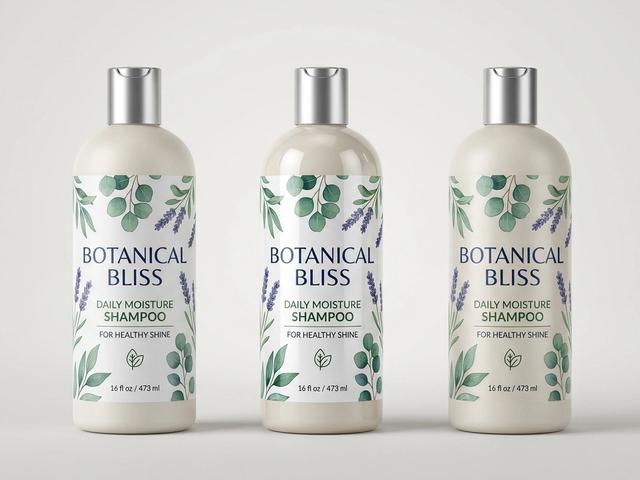
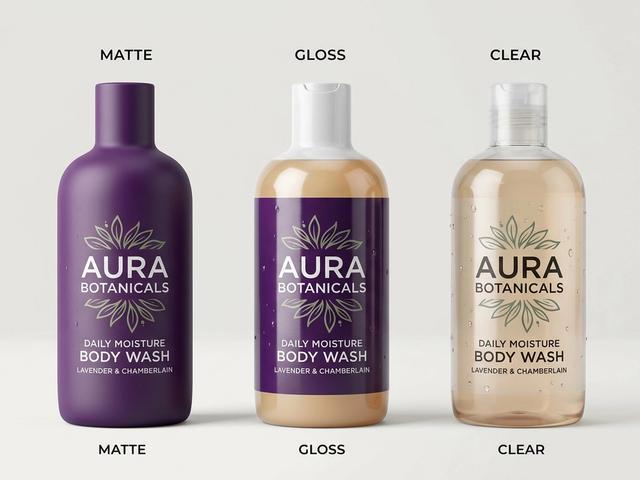
 Shampoo Bottle Shrink Sleeve LabelsView solution
Label Type
Shrink Sleeve Labels
Asas Label prints custom shrink sleeve labels in the UAE for bottles, cans, jars, cosmetics, beverages, and tamper-evident packaging. Request PETG, PVC, or PLA shrink sleeve options.
- Bottles, cans & jars
- Full 360° decoration
- Tamper-evident neck bands
Main benefit
Full-body design space for bottles, cans, jars, and shaped containers.
Common materials
PETG, PVC, OPS, and PLA shrink sleeve films depending on shrink rate, clarity, budget, and sustainability goals.
Common use cases
Beverage bottles, cans, cosmetics, food jars, household products, and tamper-evident seals.
01
Custom shrink sleeve labels made for how products are actually packed
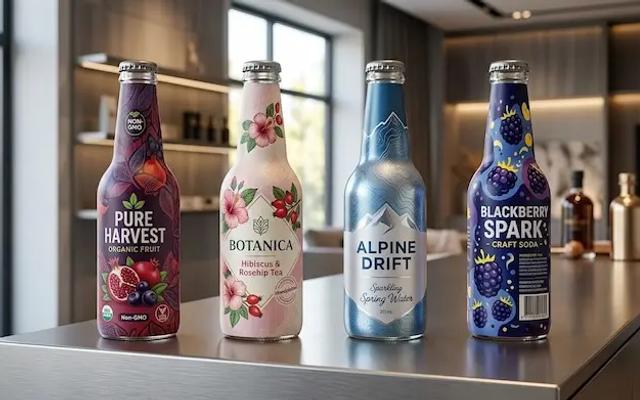
Shrink sleeve labels for bottles
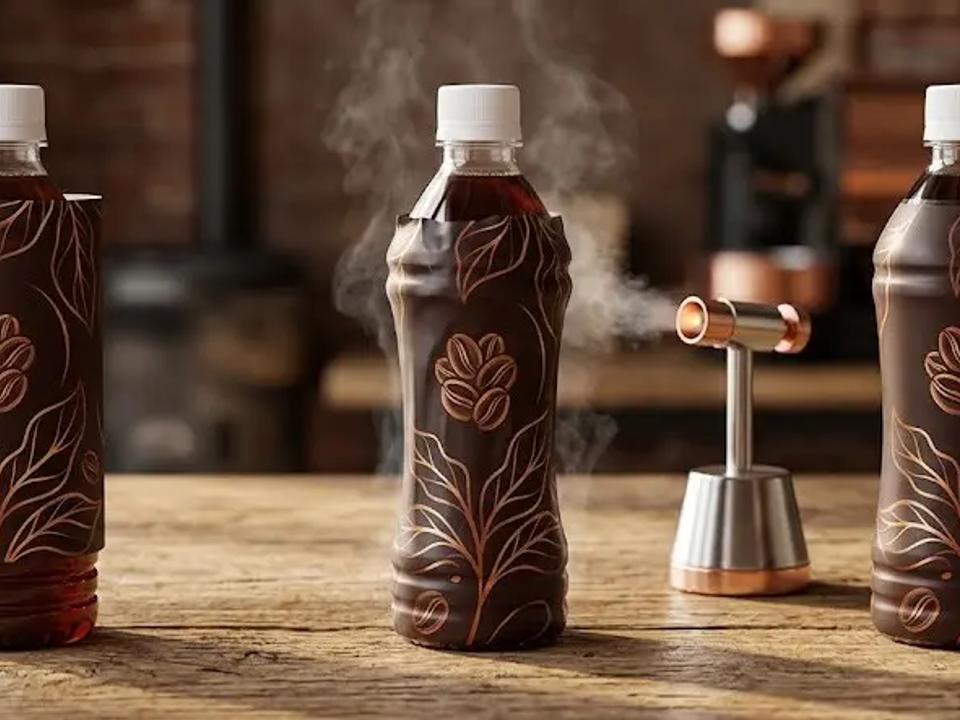
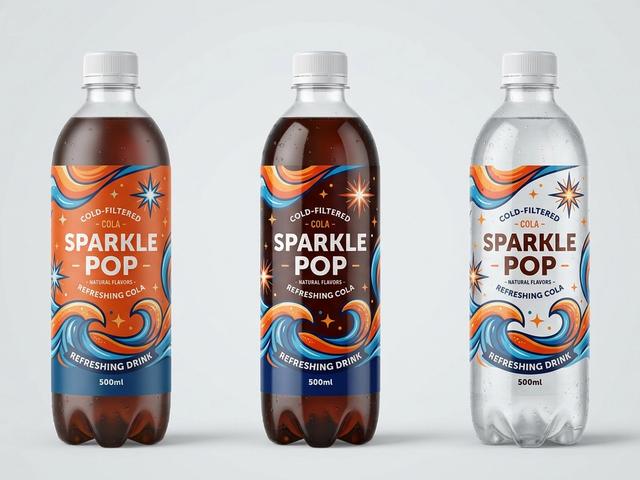
Full-wrap bottle sleeves for water, juice, sauces, dairy, cosmetics, cleaning products, and personal care packaging.
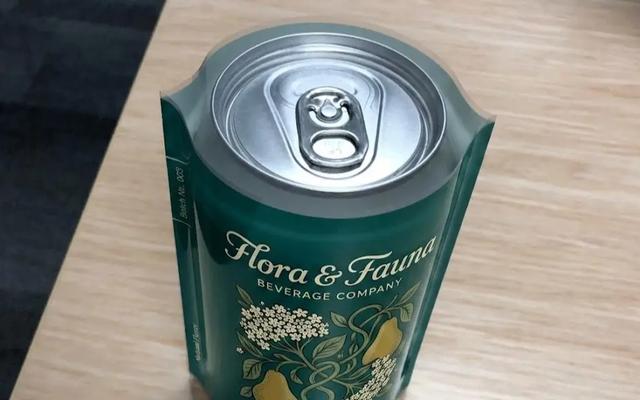
Shrink sleeve labels for cans
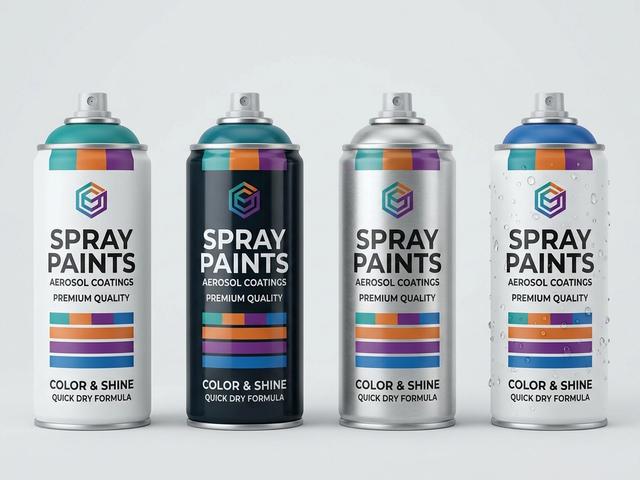
Can sleeves for product launches, private label packaging, seasonal designs, and full-body retail branding.
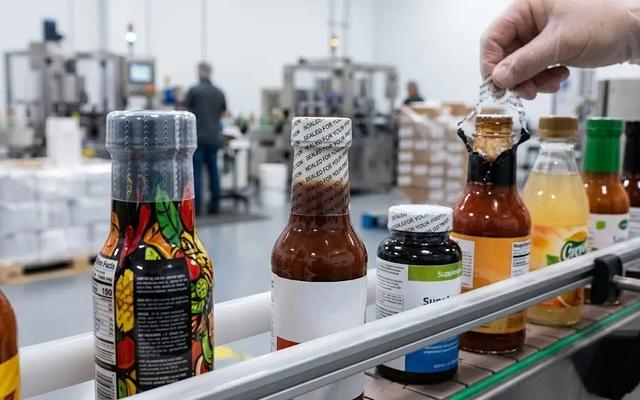
Tamper-evident shrink bands
Printed or clear neck bands that shrink tight over the cap and neck, so any attempt to open the container leaves a visible break in the seal.
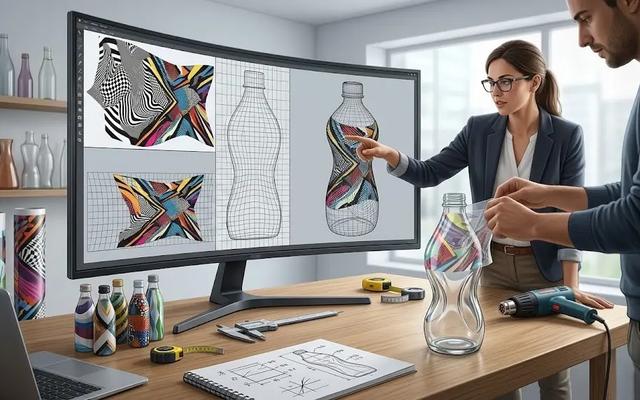
Shrink sleeve design support
Artwork checks for shrink distortion, seam location, safe zones, white ink, barcode readability, and regulatory text.
02
Shrink sleeve labels vs pressure-sensitive labels
Shrink sleeves are usually selected when the container shape, branding coverage, or tamper-evident requirement goes beyond what a standard sticker label can handle. Pressure-sensitive labels are still excellent for flat or simple container surfaces, but shrink sleeves give more coverage and better contour fit.
Factor
Shrink sleeve label
- Pressure-sensitive label
- Coverage
- 360-degree full-body branding
- Front, back, wrap, or partial coverage
Container shape
Strong for curved, tapered, and irregular shapes
- Best on flat or lightly curved surfaces
Tamper evidence
Can cover the neck, cap, or lid
- Usually requires a separate seal
Artwork risk
Needs shrink distortion and seam checks
- Needs adhesive, material, and surface checks
Best use
High-impact shelf packaging and shaped products
- General product labels, logistics labels, and simple packs
03
Shrink sleeve packaging for UAE product categories
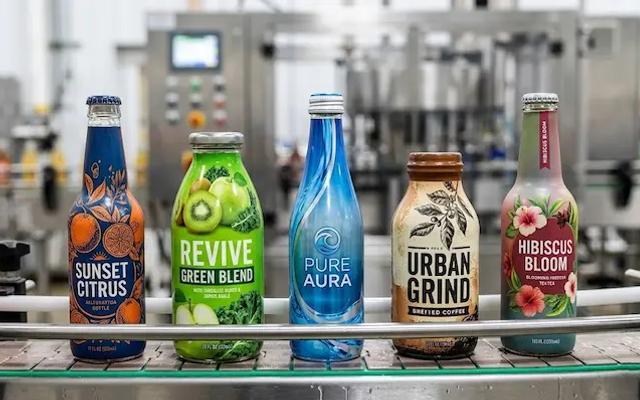
Beverage bottle labels
Shrink sleeve labels for water, juice, dairy, coffee, functional drinks, and private-label beverage packaging.
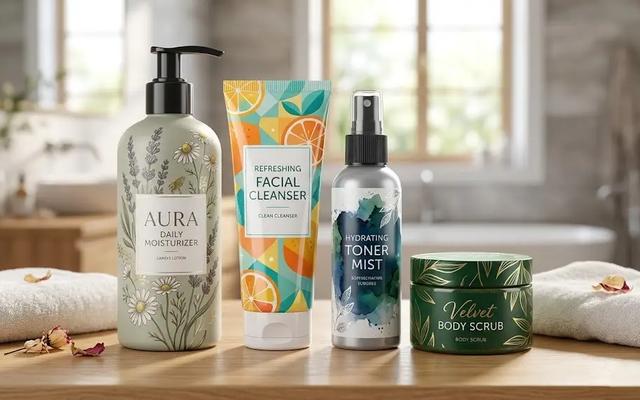
Cosmetics and personal care
Full-body labels for shampoo bottles, cream jars, sprays, supplements, and curved cosmetic containers.
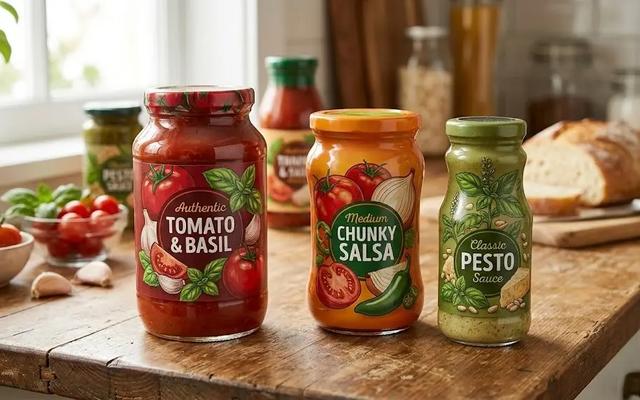
Food jars and sauces
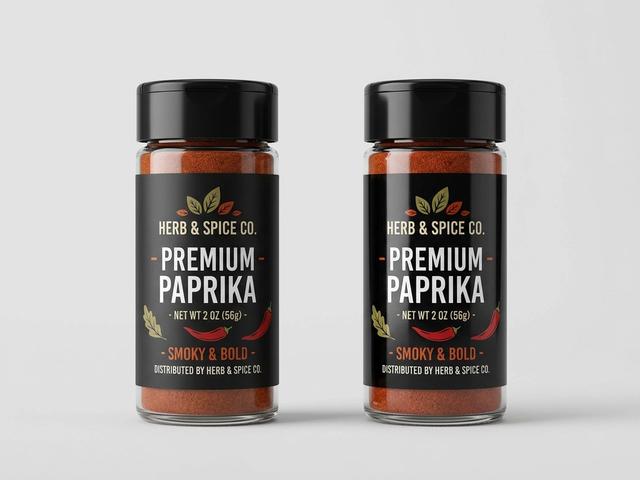
Shrink labels and neck bands for sauces, honey, pickles, spreads, spices, and retail food containers.
- Material Selection
04
Shrink sleeve label materials and when to use them
Production note
Strong option when the sleeve must shrink around curves, shoulders, and tapered sections.
Buyer check
Share container drawings or a physical sample to check shrink behavior.
- 02
- PVC shrink sleeve film
- Standard shrink sleeve labels, cost-sensitive projects, simple bottle or jar forms
Production note
Commonly used for many standard shrink sleeve packaging requirements.
Buyer check
Confirm product category and regulatory or sustainability requirements.
- 03
- OPS shrink sleeve film
- Lower-shrink applications and containers with moderate curves
Production note
Can be considered when the shape does not require aggressive shrink performance.
Buyer check
Check shrink percentage against the container before approval.
- 04
- PLA shrink sleeve film
- Brands evaluating eco-friendly shrink sleeve packaging options
Production note
Useful when sustainability positioning matters, but application conditions must be reviewed.
Buyer check
Confirm storage, heat exposure, and product lifecycle requirements.
05
How our team checks shrink sleeve artwork before printing
Shrink sleeve artwork cannot be treated like a flat sticker file. When heat is applied, the film changes shape. This can distort logos, nutrition panels, barcodes, and regulatory information unless the file is prepared around the container shape.
Container measurement
height, diameter, taper, shoulder curve, cap area, and seam position are checked before sleeve sizing.
Shrink distortion review
important artwork is adjusted so it remains readable after heat shrinking.
Barcode and text safety
barcodes, ingredients, and small text are kept away from high-distortion areas.
Tamper-evident planning
cap and neck coverage is checked when the sleeve also needs to act as a safety seal.
Sleeve size and lay-flat width
Loose, wrinkled, or over-tight sleeves caused by the wrong lay-flat width.
Shrink ratio and film choice
Uneven shrink, or film that cannot follow the container’s curves.
Seam position
A seam that runs through the logo, barcode, or key artwork.
Barcode placement
Scanning issues caused by distortion or curved placement.
White ink and opacity
Dull colors, unreadable text, or poor contrast on transparent films.
Proof and sample approval
Production surprises after print, cutting, seaming, and heat application.
06
Frequently Asked Questions
What are shrink sleeve labels?
Shrink sleeve labels are printed film labels that wrap around a container and shrink tightly with heat. They are used when a brand needs 360-degree artwork, full-body coverage, strong shelf visibility, or tamper-evident cap and neck coverage.
What materials are commonly used for shrink sleeve labels?
Common materials include PETG, PVC, OPS, and PLA. PETG is often used for high-shrink applications and shaped containers. PVC is common for standard applications. OPS can suit moderate shrink needs. PLA may be reviewed for brands looking for more sustainable sleeve options.
Can shrink sleeves be used for irregularly shaped containers?
Yes. Shrink sleeves are a strong option for irregular shapes because the film can conform to curves, shoulders, tapers, and ridges. The key is to check the shrink ratio, artwork distortion, seam position, and barcode placement before production.
Are shrink sleeve labels waterproof?
Shrink sleeve labels are highly resistant to moisture and handling. They are commonly used for chilled bottles, cosmetics, food jars, cleaning products, and other packaging that may face humidity, refrigeration, or frequent handling.
How much do custom shrink sleeve labels cost?
Cost depends on order quantity, label size, film material, print coverage, white ink, finishing, cutting, seaming, proofing, and delivery requirements. To quote accurately, send your container dimensions, artwork file, target quantity, and delivery location.
What file format is needed for shrink sleeve artwork?
Vector artwork is preferred, usually Adobe Illustrator or print-ready PDF. The file should include bleed, safe zones, dieline, seam allowance, barcode position, color references, and any white ink layer for transparent films.
Can shrink sleeve labels include tamper-evident protection?
Yes. The sleeve can be designed to cover the cap, neck, lid, or closure area. This helps create a visible safety seal and can reduce the need for a separate tamper-evident band on some packaging designs.
Do I need a shrink sleeve applicator machine?
For high-volume production, brands usually use a shrink sleeve applicator and a heat shrink tunnel. For smaller runs, application methods depend on the container, sleeve size, and production setup. Asas Label can help prepare the printed sleeve specification so it matches your packing process.
Can I order small-run custom shrink sleeves?
Yes. Small-run shrink sleeve orders may be possible depending on the material, size, print setup, and finishing requirements. Share your quantity, dimensions, and artwork so the team can recommend the most practical production route.
How do I choose a shrink sleeve label supplier in the UAE?
Choose a supplier that understands sleeve sizing, film selection, shrink distortion, seam placement, barcode safety, and tamper-evident requirements. A strong supplier should ask for container details before quoting instead of treating the sleeve like a standard flat label.
Solutions Using This Type
Ready to start your label project?
Explore Further
Label Type
Booklet Labels
Multi-page expandable labels that fold out to carry multi-language instructions, regulatory text or promotions in a compact on-pack footprint.
Read moreLabel Type
In-Mold Labels (IML)
Pre-printed films bonded to the container during molding, producing a durable, seamless "no-label" finish that resists peeling and scuffing.
Read moreLabel Type
Multi-Layer Labels
Peel-and-reveal labels with hidden layers that multiply on-pack space for extra regulatory content, translations or promotional messaging.
Read moreLabel Type
Promotional Labels
Short-run campaign labels, on-pack offers and overprints designed to drive limited-time promotions and seasonal activations.
Read more